Drew Kazemba
Someday Homes Realty
☎ 904-728-2262
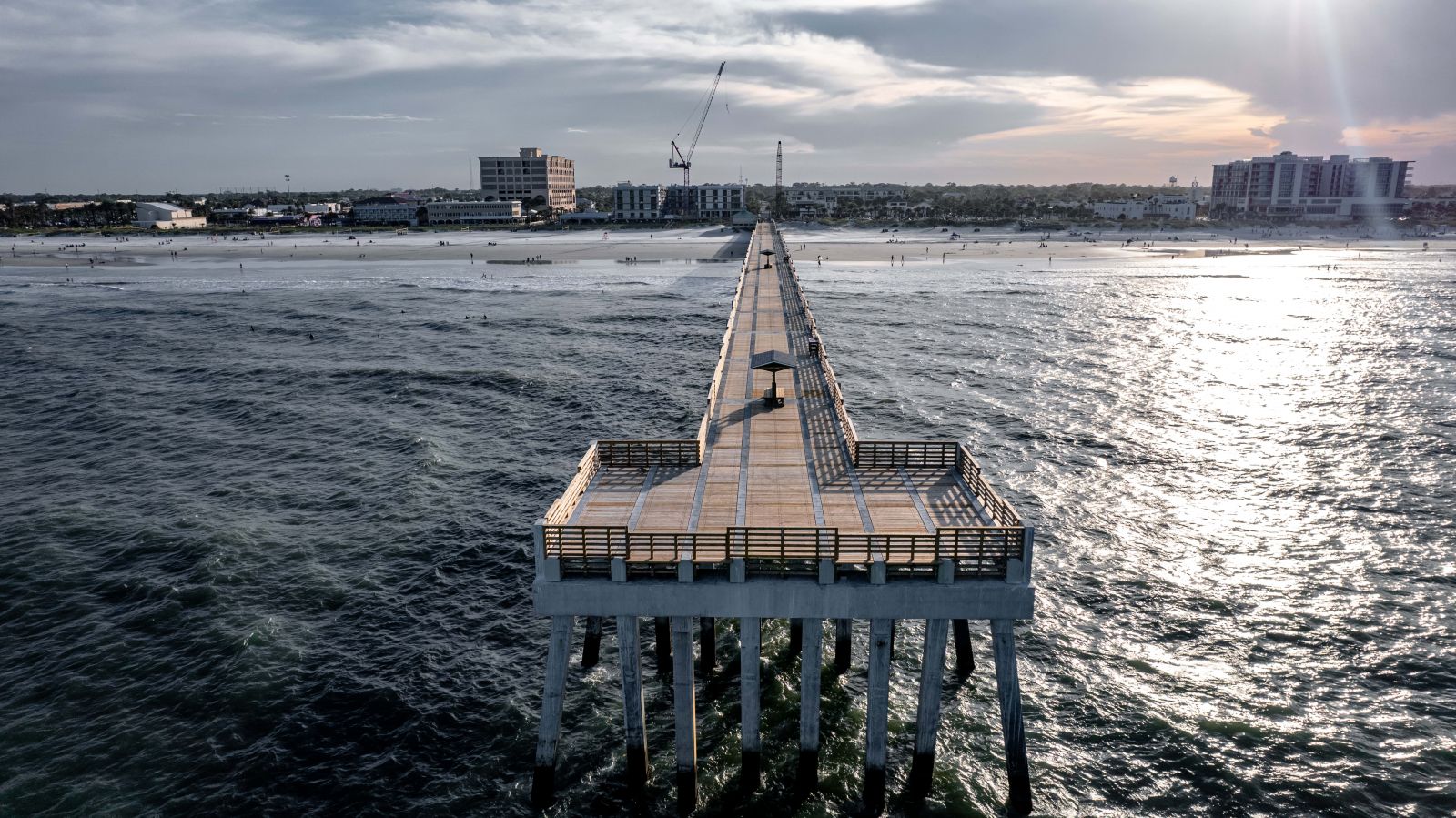
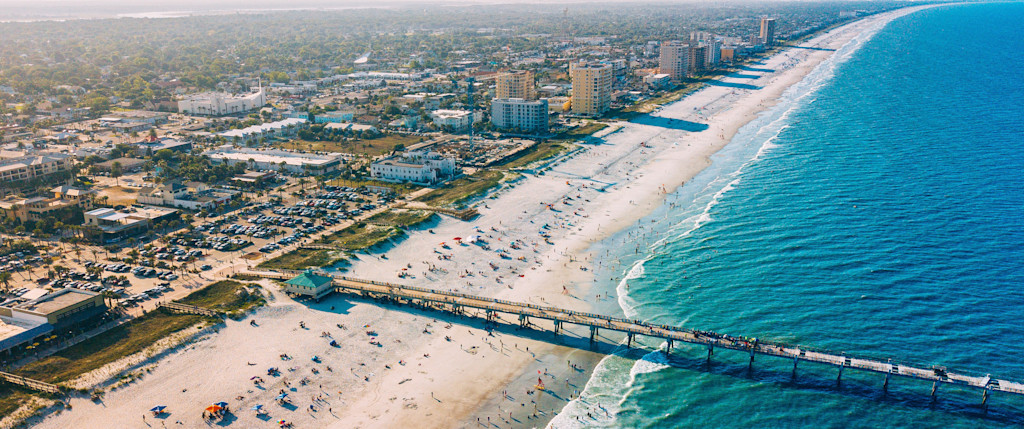
Aerial view of the Jacksonville Beach fishing pier and shoreline
Jacksonville Beach · Neptune Beach · Atlantic Beach · Ponte Vedra Beach

Beaches real estate, handled by someone who lives it.

I'm Drew Kazemba with Someday Homes Realty. I help buyers, sellers, builders, and investors across Jacksonville's Beaches — and I live here myself, in the Aquatic Beach neighborhood. Local knowledge isn't a slogan for me; it's where I start every morning.

Drew Kazemba in a light gray suit standing in a high-end kitchen
Drew Kazemba · Someday Homes Realty
6 Years
Real estate experience at the Beaches
40
Google reviews (4.7 stars)
5.0 ★
Client rating on Zillow
Top 1%
Of Jacksonville agents — EffectiveAgents
4 Towns
One coastline, local in every one
Connect With Drew

Let's talk about your move

Buying, selling, building, or just wondering what your home is worth — leave your info here and I'll reach out personally. No call center, no assistant, no spam. Just me.

Thanks — I've got it. I'll reach out to you personally, usually the same day. Want to talk sooner? Call or text 904-728-2262.
Neighborhoods

Four beach towns, four different personalities

People say "the Beaches" like it's one place. It isn't. Each town has its own feel, its own housing stock, and its own trade-offs — and picking the right one matters as much as picking the right house.

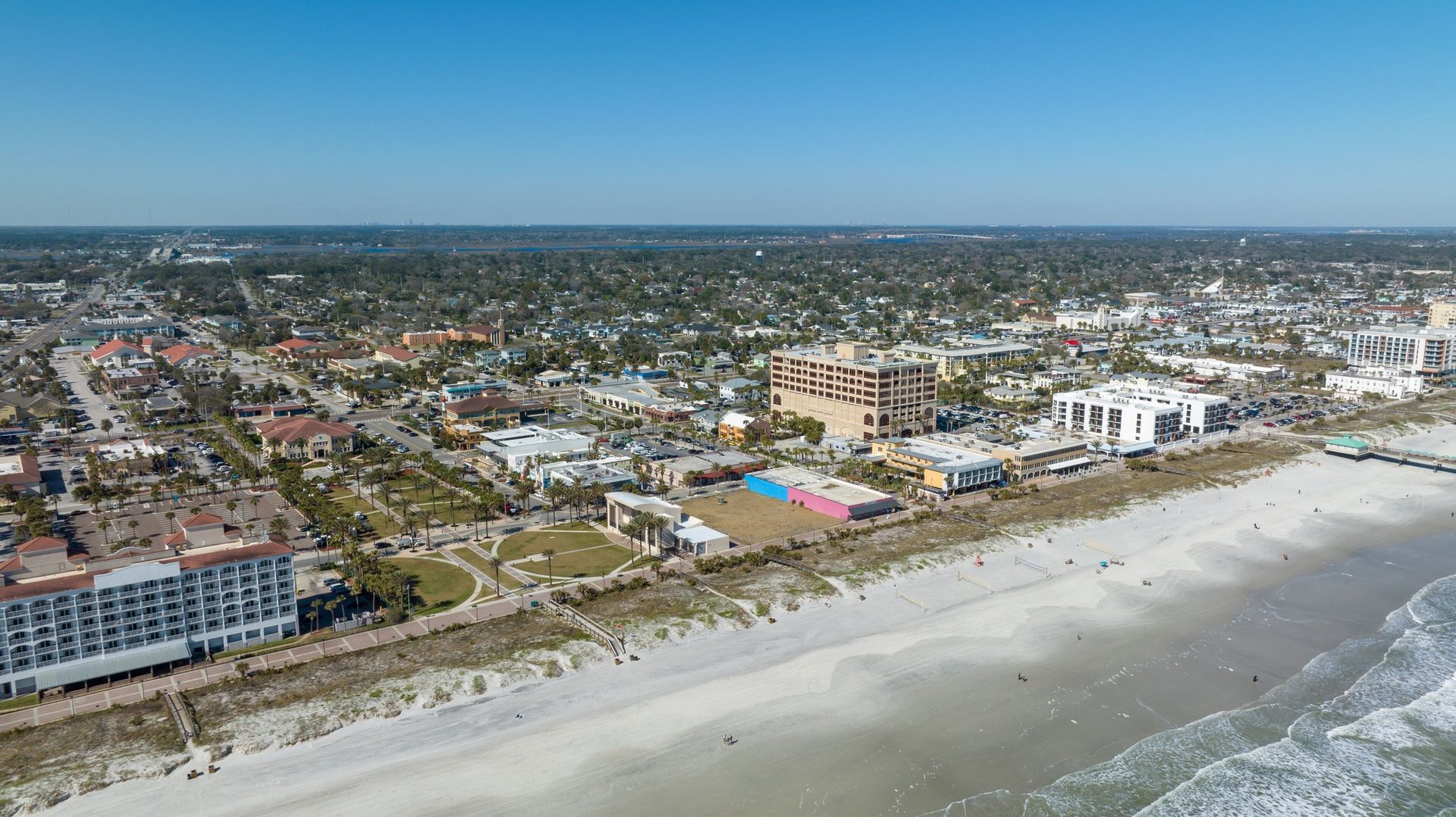
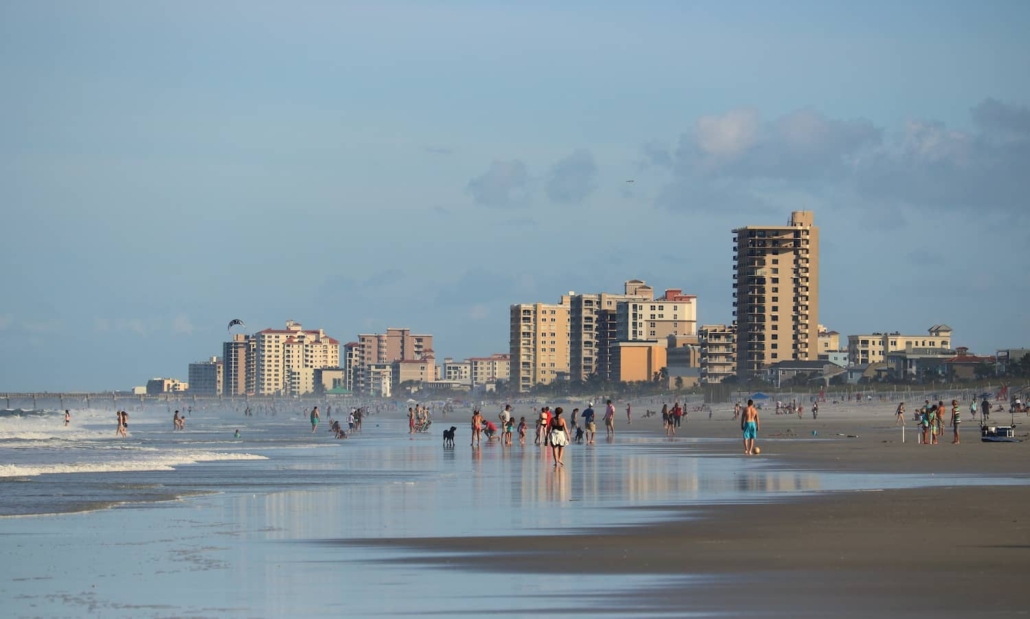
Jacksonville Beach pier and oceanfront

Jacksonville Beach

The biggest and liveliest of the Beaches — the pier, the restaurants, the events, and the widest variety of homes, from oceanfront condos to quiet side streets.

Explore Jacksonville Beach →
Wide, quiet stretch of sand at Neptune Beach

Neptune Beach

The smallest and quietest beach town — almost entirely residential, with scarce inventory and a loyal, locals-first feel.

Explore Neptune Beach →
Atlantic Beach shoreline with beach homes and tree canopy

Atlantic Beach

Historic streets under a mature tree canopy, Beaches Town Center at its edge, and an old-Florida charm you can't build new.

Explore Atlantic Beach →
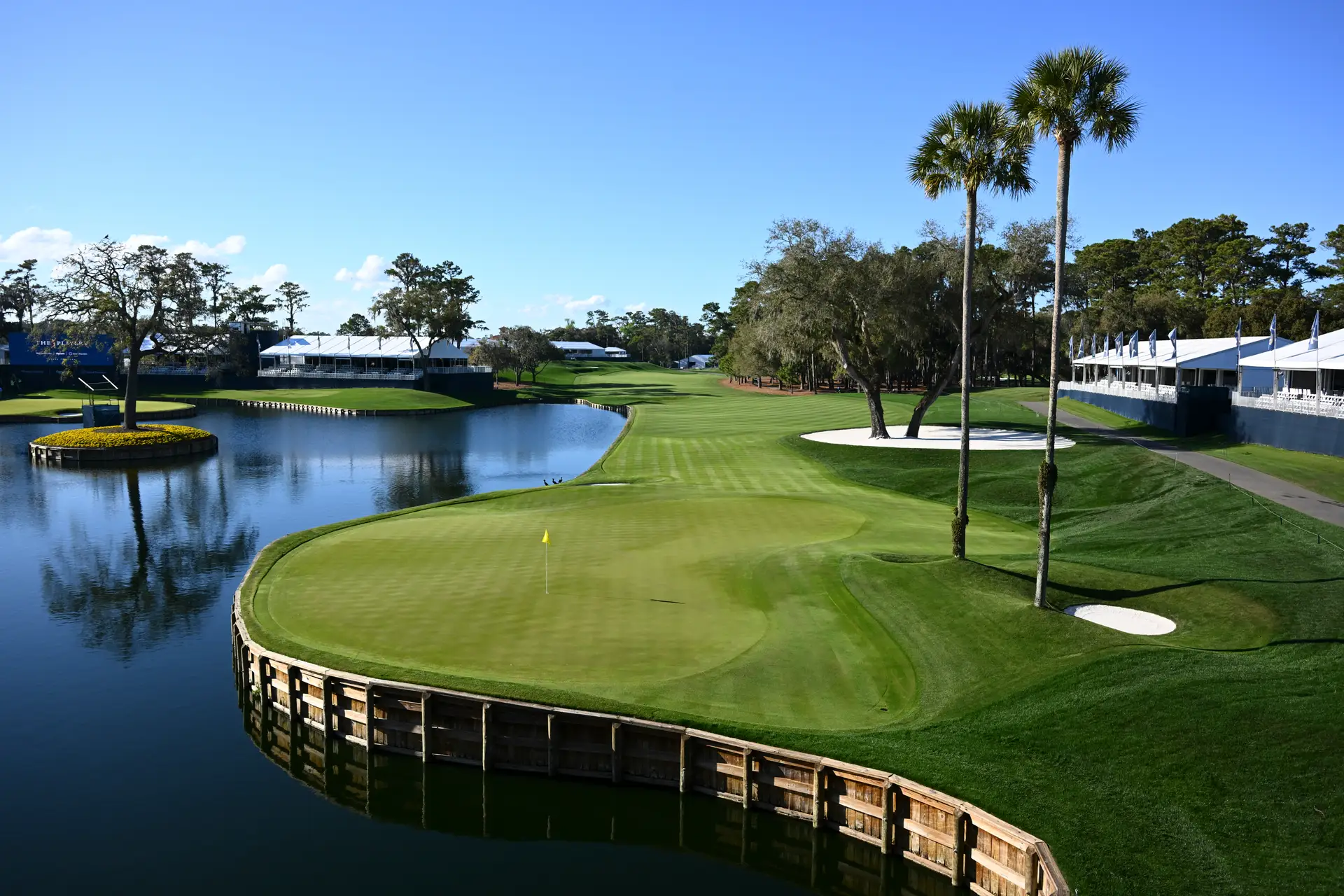
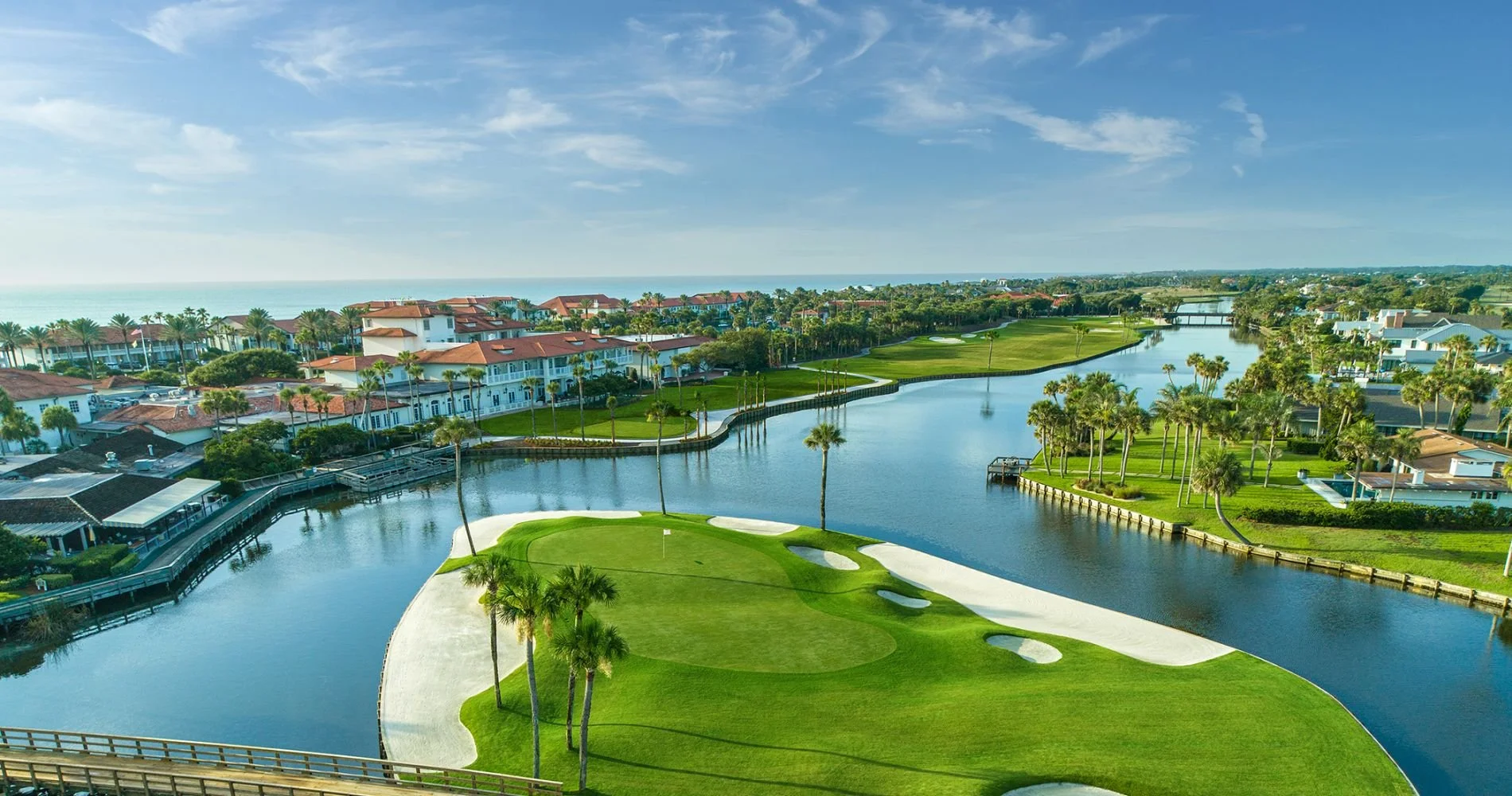
The island green at TPC Sawgrass in Ponte Vedra Beach

Ponte Vedra Beach

Luxury homes, world-class golf at TPC Sawgrass, gated communities, and top-rated St. Johns County schools.

Explore Ponte Vedra Beach →
Aerial view down the Jacksonville Beach fishing pier toward the shoreline
The Jacksonville Beach pier, looking back at the shoreline it anchors. See more of each town: Jacksonville Beach · Neptune Beach · Atlantic Beach · Ponte Vedra Beach
Work With Drew

How I can help

Buy

Beach buying comes with homework most agents skip — flood zones, insurance quotes, elevation, rental rules. I walk you through all of it before you write an offer, not after.

How buying works with Drew →

Sell

Pricing a beach home takes more than a zip-code average. Condition, flood zone, rental potential, and which street you're on all move the number. I'll show you the real comps and the reasoning.

How selling works with Drew →

Build

Through Building With Drew, I build a small number of spec homes a year at the Beaches with my builder partner — and I help buyers who are shopping production builders protect themselves before they sign.

See Our Projects →

Invest

I'm an investor myself, not just an agent. Flips, rentals, and off-market opportunities at the Beaches — analyzed with real repair and carrying costs, not best-case math.

Talk investing →
Meet Drew

Why work with Drew?

  • I live here. My home is in Aquatic Beach, and I'm always open to opportunities in my own neighborhood — I know these streets because they're mine too.
  • Builder access. My builder partner and I work on new construction together, so my buyers get straight answers on lots, timelines, and costs.
  • Investor's eye. I buy and renovate properties myself. That changes how I evaluate a house — and what I'll tell you not to buy.
  • Relationships first. Most of my business comes from people I know and people they send me. That only works if I take care of every client like a neighbor — because you probably are one.
6 years
of real estate experience
4 towns
one coastline I specialize in
1 call
gets you a local, not a call center
More about Drew
Aerial view of the Beaches coastline and oceanfront neighborhoods

Moving to the Beaches?

My free Relocation Guide covers the four beach towns side by side — what each one feels like, what to check before you buy (flood zones and insurance first), and the mistakes out-of-town buyers make most. No pressure, no obligation.

Get the Free Guide
Aerial view of a coastal Beaches neighborhood
Local Knowledge

From the blog

Straight answers on buying, selling, and building at the Beaches — the same homework I walk my clients through, written down.

Jacksonville Beach pier and shoreline
Buying at the Beaches

Flood zones and insurance: check them before you fall for the house

Two homes on the same street can carry very different insurance costs. Here's the order I check things in — and why it happens before any offer.

Read the post →
Atlantic Beach shoreline with beach homes and tree canopy
Neighborhoods

Four beach towns, four personalities: which one fits you?

Jacksonville Beach, Neptune Beach, Atlantic Beach, and Ponte Vedra Beach are ten minutes apart and feel completely different. A plain-English comparison.

Read the post →
New homes under construction in a coastal Beaches neighborhood
New Construction

Visiting a model home? Register your agent first

The one rule that protects you when buying from a production builder — and what happens to your right to representation if you walk in alone.

Read the post →

Thinking about a move at the Beaches?

Call or text me directly. You'll get a straight answer and a local who picks up.

904-728-2262
Text Drew [email protected]
Aerial view of the Jacksonville Beach pier at sunrise
Duval County · 32250

Jacksonville Beach

The largest and most energetic of Jacksonville's beach towns — and the one with the most choices. If you want the beach lifestyle with restaurants, events, and nightlife in walking distance, this is where most people start.

What Jacksonville Beach is like

Jacksonville Beach is a real city, not just a beach. Around the pier and Beach Boulevard you'll find restaurants, bars, festivals, volleyball courts, and the fishing pier stretching into the Atlantic. A few blocks west, the streets quiet down into established neighborhoods of beach cottages, renovated ranch homes, and new construction. Oceanfront condos and townhomes line the beach itself, and the Intracoastal side offers a different, calmer kind of waterfront.

That variety is the point: Jacksonville Beach has entry points and options the smaller beach towns simply can't match — first beach homes, second homes, full-time residences, and investment properties all exist here, sometimes on the same street.

Who Jacksonville Beach is right for

  • Buyers who want the widest selection of homes, condos, and price points at the Beaches
  • People who want dining, events, and the pier scene close to home
  • Second-home buyers and investors — this is the most active market of the four towns
  • Anyone who wants the beach lifestyle without giving up city convenience
See It

Jacksonville Beach in pictures

Buying in Jacksonville Beach

  • Flood zones and insurance come first. Before you fall for a house, check its flood zone and get a real insurance quote. Two homes on the same street can carry very different insurance costs depending on elevation and zone — and that changes what the home actually costs you every month.
  • Ask for the elevation certificate. If the seller has one, it can make flood insurance cheaper and faster to quote. If they don't, budget to get one.
  • Know the rental rules. Short-term rental rules vary, and condo associations have their own restrictions. If rental income is part of your plan, verify it before you offer — not after.
  • Street by street matters. Distance to the ocean, the boulevard, and the commercial core changes both lifestyle and value. I'll walk you through the pockets — including the ones locals love that don't show up in search filters.
  • Condos need extra homework. Association budgets, reserves, and insurance assessments vary widely between buildings. We'll review the documents together before deadlines bite.

Selling in Jacksonville Beach

Jacksonville Beach draws the deepest buyer pool of the four towns — locals moving up, relocators, second-home buyers, and investors all shop here. That depth rewards good preparation: pricing against true comparable sales (adjusted for flood zone, condition, and proximity to the water), handling deferred maintenance before it becomes a negotiation, and marketing that reaches beyond the MLS. If your home could appeal to an investor or a second-home buyer, we'll make sure the listing speaks to them too.

Thinking about selling? I'll give you a pricing opinion with the comps and the reasoning in writing — no obligation.

Jacksonville Beach FAQs

Is Jacksonville Beach a good place to live full-time?

Yes — it's a working city with schools, grocery stores, medical offices, and year-round locals, not just a vacation strip. Most residents live here full-time and commute over the Intracoastal bridges to Jacksonville in about 20–30 minutes depending on traffic.

Do I need flood insurance in Jacksonville Beach?

It depends on the property's flood zone and your lender. Many Jacksonville Beach homes sit in zones where lenders require flood insurance, and even where it isn't required, it's worth pricing. This is the first thing we check on any home you're serious about.

Can I short-term rent a home in Jacksonville Beach?

Rules depend on the property type and, for condos, the association. Some properties allow it, many don't. If rental income matters to your decision, we verify the rules for that specific property before you make an offer.

What's the difference between Jacksonville Beach and Neptune Beach?

Jacksonville Beach is bigger, busier, and has far more homes to choose from. Neptune Beach is smaller, quieter, and almost entirely residential. Many buyers tour both — they're ten minutes apart and feel completely different.

Are there condos on the ocean in Jacksonville Beach?

Yes — the oceanfront is lined with condominium buildings of different ages and sizes. Beyond price, the key differences are association fees, reserve funding, insurance, and rental policies, all of which we review during the buying process.

Questions about Jacksonville Beach?

Call or text me — I'll tell you what I'd tell a friend moving here.

904-728-2262
Text Drew [email protected]
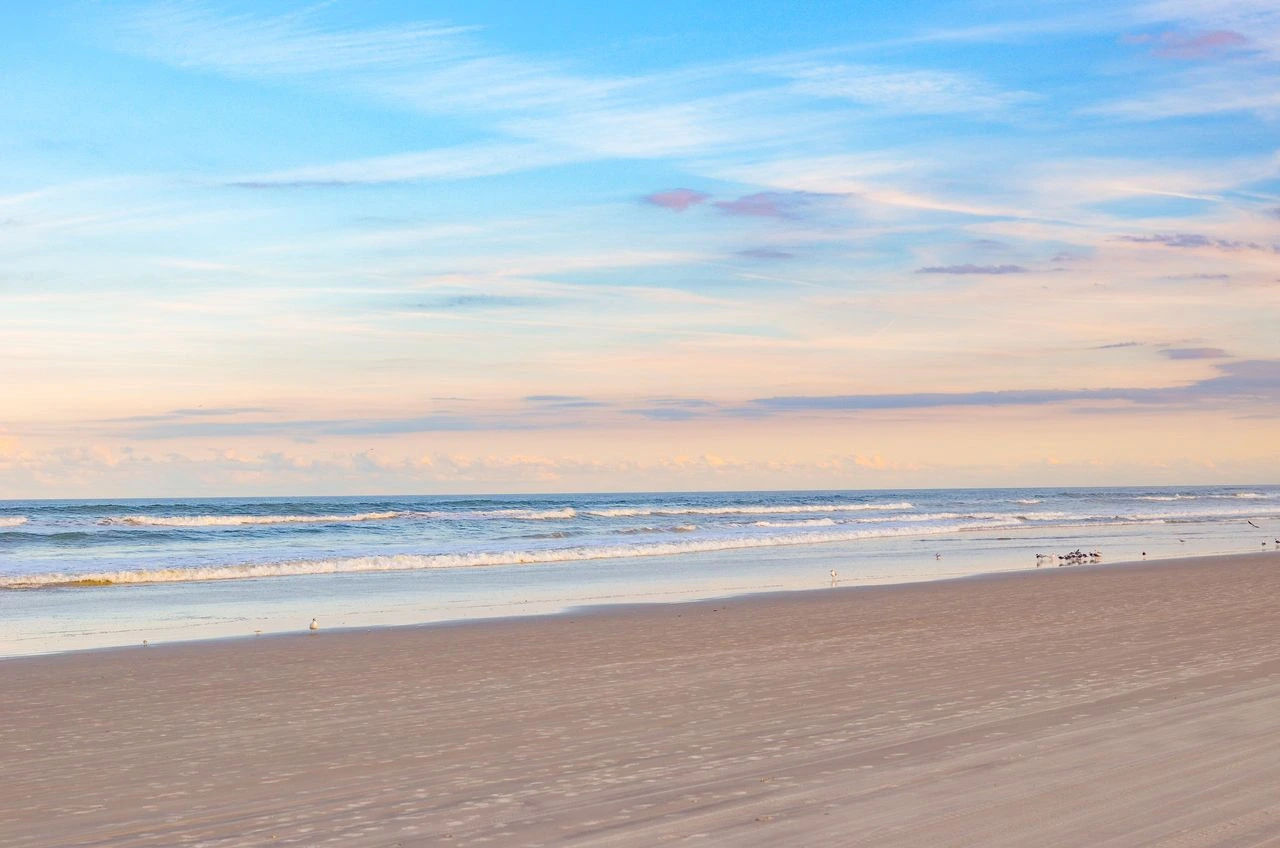
Wide, uncrowded stretch of sand at Neptune Beach
Duval County · 32266

Neptune Beach

The smallest of the beach towns — and for many locals, the best-kept secret. Neptune Beach is quiet, residential, and fiercely loved by the people who live here. Homes don't come up often, and when they do, they move.

What Neptune Beach is like

Neptune Beach is barely a mile of coastline, and it has almost no commercial beachfront — no hotel row, no boardwalk scene. What it has instead: quiet streets, neighbors who know each other, and the Beaches Town Center (shared with Atlantic Beach) at its northern edge for coffee, dining, and nightlife when you want it. The feel is unmistakably residential — people move here to live, not to vacation.

The housing stock is mostly single-family: classic Florida ranch homes, beach cottages, updated remodels, and a limited supply of newer construction on teardown lots. Because the town is small and built out, inventory is scarce in every season.

Who Neptune Beach is right for

  • Buyers who want the quietest, most neighborhood-like beach town
  • Full-time residents who plan to put down roots, not weekenders
  • People who value being steps from Town Center dining without living in the middle of it
  • Patient buyers — the right Neptune Beach home is worth waiting and watching for
See It

Neptune Beach in pictures

Buying in Neptune Beach

  • Flood zones and insurance come first. Neptune Beach sits low in places, and flood zone plus elevation can swing insurance costs significantly. We check the zone and quote insurance early — before you fall in love with a house you haven't fully priced.
  • Scarce inventory means preparation wins. With so few homes for sale, the buyers who get them are pre-approved, decisive, and ready before the listing hits the public sites. I keep an eye on coming inventory and off-market possibilities year-round.
  • Older homes, honest inspections. Much of Neptune Beach was built decades ago. Roofs, cast-iron plumbing, electrical panels, and drainage deserve a serious look — I'll help you separate charming from expensive.
  • Teardown and rebuild potential. Small original cottages on good lots sometimes make more sense as a rebuild. With my builder partner, I can help you evaluate both paths with real numbers.

Selling in Neptune Beach

Scarcity is the Neptune Beach seller's friend: there's a standing line of buyers waiting for this zip code, and well-prepared homes attract strong attention. The keys are pricing from the right comparables (Neptune Beach trades differently than Jacksonville Beach a mile south), presenting the home at its best, and making sure the serious, pre-approved buyers see it the moment it lists. If you're even considering selling, a quiet conversation costs you nothing — and in a town this small, off-market interest is real.

Neptune Beach FAQs

Why is Neptune Beach inventory so limited?

The town is small — roughly a mile of coastline — and almost fully built out with single-family homes. There are no large tracts left to develop, so homes only come to market when owners choose to sell, which isn't often.

Is Neptune Beach good for families?

It's one of the most family-oriented beach towns in the area: quiet streets, a residential feel, and neighborhood elementary options nearby. Many buyers choose it specifically because it feels like a neighborhood first and a beach second.

Do I need flood insurance in Neptune Beach?

Often, yes — it depends on the individual property's flood zone and elevation, and lenders require it in higher-risk zones. We verify the zone and get real quotes early in the process so there are no surprises in your monthly payment.

How is Neptune Beach different from Atlantic Beach?

They're neighbors and share Beaches Town Center. Neptune Beach is smaller and more uniformly residential; Atlantic Beach is larger, more historic in character, with a bigger tree canopy and more varied neighborhoods. Both are quiet compared to Jacksonville Beach.

Can I build new in Neptune Beach?

Occasionally — usually by purchasing an older home or lot and building new. Those opportunities are rare and go fast. If building in Neptune Beach is your goal, tell me early so I can watch for lots and teardowns as they surface.

Waiting on the right Neptune Beach home?

Tell me what you're looking for and I'll keep you first in line when something fits.

904-728-2262
Text Drew [email protected]
Aerial view of the Atlantic Beach shoreline and beach homes
Duval County · 32233

Atlantic Beach

The oldest soul of the Beaches. Atlantic Beach pairs a canopy of mature oaks and palms with historic homes, quiet streets, and Beaches Town Center — and a character that newer communities spend decades trying to imitate.

What Atlantic Beach is like

Atlantic Beach has been a beach retreat since the early 1900s, and it shows in the best way: historic cottages and grand old homes sit alongside mid-century ranches and thoughtful new builds, all under a dense tree canopy that makes the streets feel cooler and more private than anywhere else at the Beaches. At its southern edge, Beaches Town Center brings restaurants, coffee shops, and boutiques to the Neptune Beach line; at its northern edge, Hannah Park offers miles of trails, a freshwater lake, and some of the best mountain biking in Florida.

The pace is unhurried and the neighborhoods are established — this is where people come when they want the beach without the beach-town bustle.

Who Atlantic Beach is right for

  • Buyers who love historic character, big trees, and established streets
  • People who want Town Center dining a bike ride away, but quiet at home
  • Outdoor lovers — Hannah Park, the beach, and the Intracoastal are all right here
  • Buyers looking for larger lots and privacy compared to the other beach towns
See It

Atlantic Beach in pictures

Buying in Atlantic Beach

  • Flood zones and insurance come first. Atlantic Beach includes everything from high dune lots to low areas near the Intracoastal marsh. Flood zone and elevation vary street by street — we check both, and get real insurance quotes, before you commit to a home.
  • Historic homes need the right inspection lens. Older homes can be wonderful — and can hide old plumbing, wiring, and structural quirks. Budget for a thorough inspection and honest repair estimates; my construction background helps here.
  • Tree rules and lot rules matter. The canopy is protected in places, and setbacks and lot-coverage rules shape what you can build or add. If you're planning changes, we verify what's allowed before closing.
  • Know the micro-neighborhoods. From the old Atlantic Beach core near Town Center to the Selva Marina and northern streets near Hannah Park, each pocket has its own feel and value drivers. Local guidance is the shortcut.

Selling in Atlantic Beach

Atlantic Beach buyers pay for character — and for the things you can't add later: lot, location, canopy, and bones. Selling well here means presenting those strengths properly, pricing from true Atlantic Beach comparables (not blended "Beaches" averages), and reaching the relocators who are specifically hunting this town. If your home has historic features, we'll make sure they're marketed as the assets they are.

Atlantic Beach FAQs

What is Beaches Town Center?

It's the walkable dining and shopping district where Atlantic Beach and Neptune Beach meet at the ocean end of Atlantic Boulevard — restaurants, coffee shops, boutiques, and a small hotel, all a short walk or bike ride from both towns' neighborhoods.

Is Atlantic Beach mostly older homes?

It has the Beaches' deepest stock of historic and mid-century homes, but there's also newer construction — often on teardown lots. Many buyers love the mix: established streets where a renovated or new home sits beside a 1940s cottage.

Do I need flood insurance in Atlantic Beach?

It depends on the lot. Oceanfront and high-elevation streets differ a lot from lower areas near the marsh and Intracoastal. We check the flood zone and elevation for any specific home and price insurance before you offer.

What is Hannah Park?

Kathryn Abbey Hannah Park is a large city park at Atlantic Beach's northern end with miles of wooded trails, mountain biking routes, a freshwater lake, picnic areas, and beach access. For outdoor-minded buyers, living near it is a genuine lifestyle upgrade.

How far is Atlantic Beach from Jacksonville?

Atlantic Boulevard takes you straight over the Intracoastal into Jacksonville — roughly 25–35 minutes to downtown depending on traffic, with Mayport and the naval station just to the north.

Interested in Atlantic Beach?

Let's talk about which pocket fits you — and what's coming up before it lists.

904-728-2262
Text Drew [email protected]
The famous island green 17th hole at TPC Sawgrass, Ponte Vedra Beach
St. Johns County · 32082

Ponte Vedra Beach

Jacksonville's luxury coastline. Ponte Vedra Beach is home to TPC Sawgrass and THE PLAYERS Championship, the Ponte Vedra Inn & Club, gated golf and beach communities — and St. Johns County schools, a draw all by themselves.

What Ponte Vedra Beach is like

Ponte Vedra Beach feels polished and private. Manicured gated communities line the Boulevard and A1A, the beach clubs anchor the social calendar, and golf carts are a legitimate form of transportation. The housing ranges from classic beach cottages in Old Ponte Vedra to estate homes in gated golf communities and oceanfront properties along the Boulevard. Everything sits in St. Johns County — which matters to many buyers because of its highly regarded public school district.

It's a different market from the Duval beaches to the north: more gated communities, more club memberships to understand, and more variation between neighborhoods that look similar on a map.

Who Ponte Vedra Beach is right for

  • Golfers — TPC Sawgrass, the Ponte Vedra Inn & Club courses, and several private clubs
  • Families prioritizing St. Johns County public schools
  • Buyers who want gated communities, beach clubs, and an amenity-rich lifestyle
  • Luxury and second-home buyers looking for estate and oceanfront properties
See It

Ponte Vedra Beach in pictures

Buying in Ponte Vedra Beach

  • Flood zones and insurance come first. Oceanfront and Intracoastal-side properties carry very different risk and insurance profiles than interior golf lots. We check flood zone, elevation, and real insurance pricing on any home you seriously consider — before the offer.
  • Understand the club layer. Some communities revolve around club membership; some memberships are optional, some effectively aren't. Initiation fees and dues belong in your true cost picture from day one, and I'll help you get straight answers.
  • HOA documents matter here. Gated communities mean association rules, fees, and approval processes. We'll review them during your inspection period so nothing surprises you after closing.
  • Compare communities, not just houses. Old Ponte Vedra, Sawgrass, Marsh Landing, and the Boulevard corridor each deliver a different daily life. Touring with that lens — not just square footage — is how you land in the right one.

Selling in Ponte Vedra Beach

Luxury buyers shop differently: presentation, photography, and reach matter more, and the buyer may be coming from across the country rather than across town. Selling well in Ponte Vedra means pricing from true community-level comparables, presenting the lifestyle (club, beach access, schools) alongside the house, and marketing that reaches relocating executives, golfers, and second-home buyers — not just local search portals.

Ponte Vedra Beach FAQs

Which county is Ponte Vedra Beach in?

St. Johns County. That's a key reason many families choose it — St. Johns County's public schools are consistently among the highest-rated in Florida. It also means different property taxes and services than the Duval County beaches just north.

What is TPC Sawgrass?

It's the PGA TOUR's flagship property in Ponte Vedra Beach, home of THE PLAYERS Championship and the famous island-green 17th hole at the Stadium Course. Living in or near the Sawgrass communities puts world-class golf in your backyard.

Do I have to join a club to live in Ponte Vedra Beach?

No — many homes aren't tied to a club at all. Some gated communities are built around club membership, though, and the details vary. Before you buy, we'll confirm exactly what's required, optional, and what each costs.

Do I need flood insurance in Ponte Vedra Beach?

For oceanfront and low-lying properties, often yes — and for interior lots, sometimes not. It is property-specific, which is why we check the flood zone and elevation certificate and quote real insurance early for any home you're serious about.

Is Ponte Vedra Beach good for second homes?

Yes — it's one of the most popular second-home markets in Northeast Florida, with beach clubs, golf, and a lock-and-leave condo and townhome supply alongside single-family homes. Rental rules vary by community, so we verify them if income matters to you.

Buying or selling in Ponte Vedra Beach?

Let's talk communities, clubs, and true costs — before you tour a single home.

904-728-2262
Text Drew [email protected]
Aerial view of the Beaches coastline and oceanfront neighborhoods
Buying at the Beaches

Buy a home at the Beaches — with the homework done first

Buying at the beach isn't like buying inland. Flood zones, insurance costs, and rental rules can change what a home really costs you. My process gets those answers before you write an offer — not after you're already under contract.

Buy A Home

Luxury isn't a price point. It's a service.

Navigating a real estate purchase is tricky business. The internet makes it possible to do a lot of the legwork yourself — but there's no substitute for an experienced local. An expert negotiator who knows these streets can save you time, money, and heartache by helping you make the right offer and staying on top of the process behind the scenes.

In a fast-moving beach market, timing is everything. I'll set you up with new-listing alerts so you see homes as they hit — and because my business runs on local relationships, you'll also hear about off-market and coming-soon homes the portals never show. I respond to calls and texts quickly, and electronic signing keeps your offer moving without unnecessary delays.

Aerial view of Ponte Vedra Beach golf, lagoon, and ocean
Golf, water, and ocean in one frame — Ponte Vedra Beach
Buyer's Guide

Four things smart beach buyers do first

1 · Get Pre-Approved

Before the tours. Sellers at the Beaches take pre-approved buyers seriously — in a competitive situation, it's the difference between getting the home and watching someone else get it.

2 · Set Up Alerts

Tell me your towns, budget, and must-haves and I'll send matching homes directly — including off-market ones — the moment they surface. Start Your Search →

3 · Check Flood & Insurance

On any home you're serious about, before the offer: flood map, elevation, and a real insurance quote for that specific property. No surprises after you're under contract.

4 · Register Your Agent

Shopping new construction? Register me as your agent before your first model-home visit — it's the one rule that protects your right to representation with a production builder.

How buying works, step by step

  1. Step 1 — The game-plan call. A short conversation about where you want to live, your budget, your timeline, and what "right" looks like for you. No pressure — most buyers just need the map before they need the listings.
  2. Step 2 — Pre-approval. We get you pre-approved with a solid local lender so your offer carries weight. Sellers at the Beaches take pre-approved buyers seriously, and in competitive situations it's the difference between getting the home and watching someone else get it. VA buyers: I work with VA loans regularly, including VA jumbo — just ask.
  3. Step 3 — Tour with the flood and insurance check first. Before we write an offer on any home, I pull the flood map and an elevation check and get a real insurance estimate for that specific property. Two homes on the same street can differ by thousands a year in insurance — you'll know the true monthly cost before you commit, not after.
  4. Step 4 — Offer strategy. We price and structure your offer from real comparable sales and the home's actual condition — earnest money, inspection terms, timelines — built to win without overpaying.
  5. Step 5 — Inspections. A thorough inspection, plus the beach-specific items most people miss: roof age and insurability, plumbing and electrical on older homes, and drainage. My construction background helps you separate the real problems from the noise.
  6. Step 6 — Close, then homestead. We close, you get the keys — and I'll remind you to file for Florida's homestead exemption, which can lower your property taxes. Most agents disappear at closing; this is the follow-through that saves you money every year after.

What makes buying with Drew different

Flood maps and insurance quotes — before the offer

Most agents show you homes and figure out flood zones later. I pull the flood map and quote real insurance on any home you're serious about before we write, so the price you agree to is the price you actually live with.

Off-market and coming-soon access

I live in Aquatic Beach and my business runs on local relationships — neighbors, past clients, other agents, and builders. That means hearing about homes before they hit the public sites, and sometimes before they're for sale at all.

New construction expertise

I build homes at the Beaches with my builder partner. If new construction is on your list, I know how builder contracts really work — and the one rule that protects you: register your agent before your first model-home visit. See Our Projects →

VA loan experience

VA buyers deserve an agent who knows the program — appraisal requirements, what sellers actually worry about, and how to structure a VA offer that competes. I've helped VA buyers close at the Beaches, including on VA jumbo loans.

Prefer to search on your own first?

Tell me what you're looking for — towns, budget, must-haves — and I'll send you matching homes directly, including ones that aren't public yet. And if you're moving here from out of town, start with my free Relocation Guide: the four beach towns compared honestly, plus the local homework that matters before you buy.

Ready to start looking?

Start with the game-plan call. Fifteen minutes, no obligation — and you'll leave knowing exactly what your budget buys at the Beaches.

904-728-2262
Book a Game Plan Call Text Drew [email protected]
Jacksonville Beach oceanfront homes along the shoreline
Selling at the Beaches

Sell your beach home for what it's actually worth

Beach homes aren't priced by zip-code averages. The street, the flood zone, the condition, the rental potential — they all move the number. My process prices from street-level sold comps, prepares your home where it actually pays back, and markets it like a launch, not a listing.

Sell Your Home

Luxury isn't a price point. It's a service.

Choosing the right agent is one of the most important decisions you'll make when selling your home. Every seller deserves exceptional marketing — not just the top of the market. That's the standard I work from at Someday Homes Realty: the same pricing discipline, presentation, and launch effort on every listing, whatever the price, with negotiation that matches the marketing.

6 Years
Selling at the Beaches
40
Google reviews (4.7 stars)
5.0 ★
Average client rating on Zillow
Top 1%
Of Jacksonville agents — EffectiveAgents
Every Listing
Pro photos, video tour & its own website

How selling works, step by step

  1. Step 1 — Pricing from street-level comps. I price your home from actual sold homes on streets like yours — never zip-code averages that blend oceanfront with inland. You'll see the comps and the reasoning in writing, including where we can push and where pushing would cost you time.
  2. Step 2 — Prep that pays back. I walk your home with a buyer's eye and a builder's eye and rank the list: safety and inspection red flags first, obvious deferred maintenance second, cosmetics only where they photograph. You'll know which improvements actually return money — and which ones to skip.
  3. Step 3 — The launch. Professional presentation, a dedicated website for your property alone, a video tour, and a full multi-piece content campaign — built to reach relocation and second-home buyers, not just the people already searching the portals.
  4. Step 4 — Offers and negotiation. We review every offer on its full terms — price, financing strength, timelines, contingencies — and negotiate from the preparation we did in steps one through three.
  5. Step 5 — Close. Inspections, appraisal, title, and deadlines managed start to finish, so the deal that got negotiated is the deal that closes.
Our Marketing

Marketing beyond the MLS

The way real estate is sold has changed, and what worked yesterday may not work today. A listing photo and a portal upload is not a marketing plan. Here's what every listing with Drew actually gets — the same system, whether the home is $500K or $4M.

New Someday Homes construction at 536 7th Ave N, Jacksonville Beach
Marketing

Pricing strategy

Determining your home's true market value takes experience — and honesty. Pricing is one of the most important factors in your sale, so I build a detailed analysis from actual sold homes on streets like yours, adjusted for condition, lot, flood zone, and distance to the water. You'll see the comps and the reasoning in writing, and a strategy designed to attract qualified buyers and generate maximum interest — not a zip-code average.

Street-Level CompsWritten ReasoningFlood Zone Factored In
Drew Kazemba standing in a professionally photographed high-end kitchen
Marketing

Artistic photography

Great photography sells your home before a buyer ever visits in person. If the photos don't make a strong first impression, there may not be a second chance — so professional interior, exterior, and aerial photography is standard on every listing, with lighting, angles, and framing chosen to bring each space to life.

Professional PhotosAerial / DroneEvery Listing
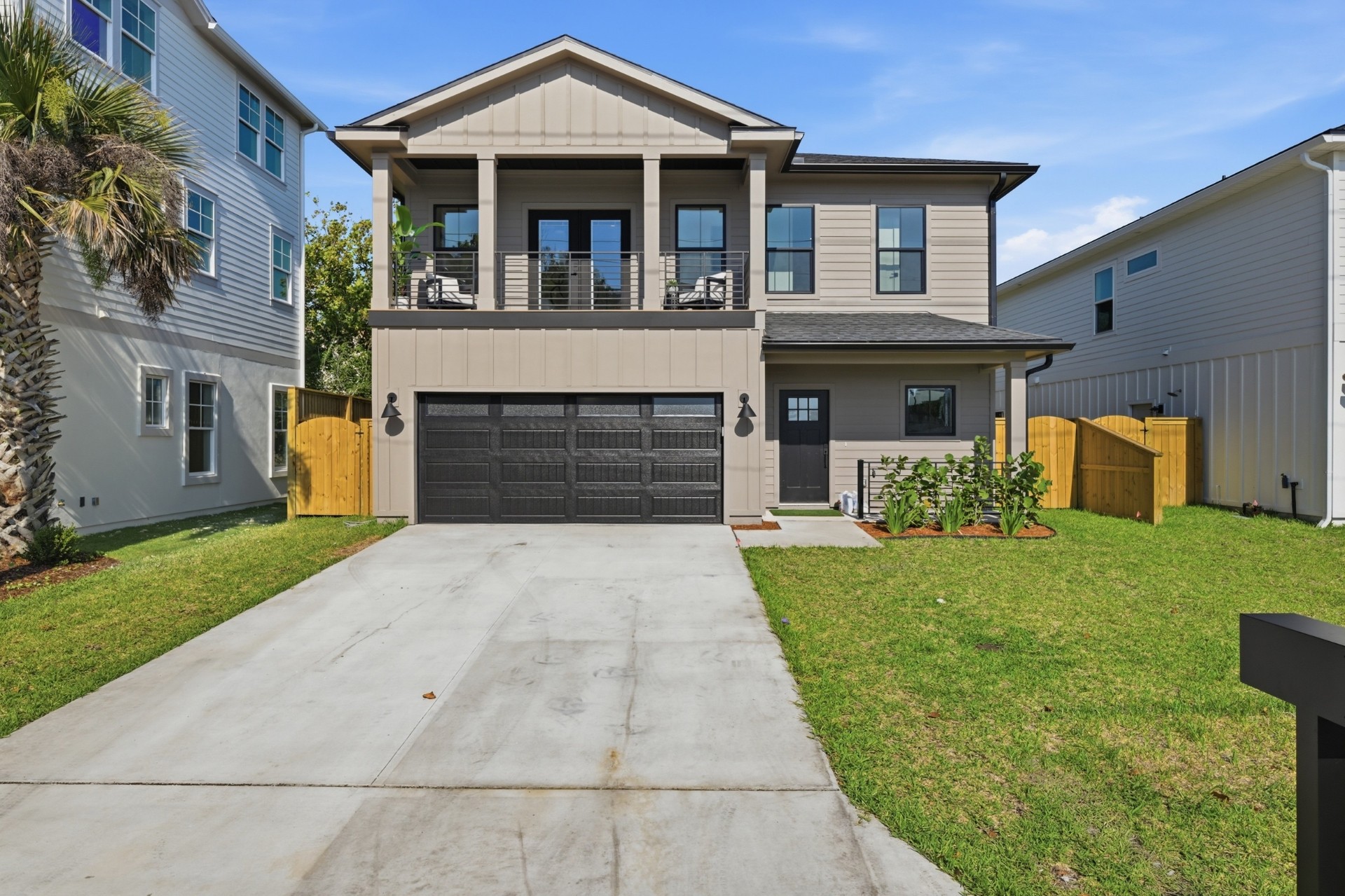
Someday Homes project at 802 4th St S, Jacksonville Beach
Marketing

Video tour & social campaign

Every listing gets a professionally presented video tour and a multi-piece content campaign — not one post and a prayer. Video lets relocation and second-home buyers experience the home before they book a flight, and the campaign puts it in front of the audience beach homes actually sell to, across the platforms where they spend their time.

Video TourMulti-Piece CampaignRelocation Buyers
Someday Homes project at 480 9th Ave S, Jacksonville Beach
Marketing

Custom property website & massive online presence

Each home I list gets its own dedicated property website — one address, one home, everything a buyer needs in one place, easy to share and easy to send. While other agents wait for buyers to find their listing, your home is actively put in front of buyers and other agents, so it launches to an audience instead of sitting in a portal feed.

Single-Property WebsiteShareable LinkAgent Network Reach
Aerial view of a coastal Beaches neighborhood at golden hour
Marketing

Print, direct mail & negotiation

Digital is the focus, but print still works at the Beaches — magazine-quality materials for showings and direct mail into the neighborhoods most likely to produce your buyer. And when offers arrive, you get experienced, connected representation: every offer reviewed on its full terms and negotiated from the preparation we did before launch, through inspections, appraisal, and closing.

Print & Direct MailFull-Terms NegotiationClosing Managed
Seller's Guide

The selling checklist

What we'll work through together, in order — the same checklist I walk every seller through before a listing goes live.

  • Pricing walkthrough — street-level comps reviewed together, in writing
  • Prep list, ranked — safety and inspection red flags first, cosmetics only where they pay back
  • Declutter & stage the story — the rooms buyers photograph in their heads get the attention
  • Documents ready — survey, elevation certificate, disclosures, and any warranties gathered before launch
  • Photography & video scheduled — shot when the light is right, not when it's convenient
  • Property website live — your home's own page built and shareable before day one
  • Launch campaign queued — video, content pieces, agent outreach, and direct mail ready to fire together
  • Showings & feedback loop — every showing followed up, every piece of feedback reported back to you fast
Free Home Evaluation

Get your home valuation

Enter your address to start. Not a computer guess — I'll prepare a real valuation myself, from actual sold comps on streets like yours, and deliver it personally with the reasoning behind the number.

Free, no obligation. Submitting opens an email to Drew with your details — just press send in your mail app and he'll prepare your valuation personally.

Thanks — your email app should have opened with your request. Once Drew gets it, he'll prepare your valuation from real sold comps and reach out personally. Want it faster? Text 904-728-2262 with your address.
01

Real sold comps

Closed sales near your home — not active listings, not zip-code averages — selected street by street.

02

Honest adjustments

Condition, lot, flood zone, elevation, and distance to the water, adjusted openly so you can see the math.

03

Delivered personally

I send it over and walk you through it — including what would move the number up before you sell.

Curious what your home is worth?

Start with a free evaluation — a real valuation I prepare from actual sold comps. Not a computer guess.

Get My Free Home Evaluation

Or just call or text me:

904-728-2262
Atlantic Beach shoreline with beach homes and tree canopy
Free Home Evaluation

What's your home worth?

Not a computer guess. I'll prepare a real valuation of your home myself, from actual sold comps on streets like yours — and deliver it to you personally, with the reasoning behind the number.

Instant Start · Personally Prepared

Get your home valuation

Enter your details to see how much your home is worth. Online estimators have never walked your street — they don't know your flood zone, your lot, your renovations, or that the house two doors down sold last month. I do, or I'll find out.

Free, no obligation — selling is never required. Submitting opens an email to Drew with your details; just press send in your mail app.

Thanks — your email app should have opened with your request. Once Drew gets it, he'll prepare your valuation from real sold comps and reach out personally. Want it faster? Text 904-728-2262 with your address.
How It Works

How we calculate your estimate

No algorithm spits out a number here. Your valuation is prepared by a person — me — from the same sold data I'd use to price a listing, and I stand behind it.

01

Actual sold comps

Real closed sales near your home, chosen street by street — because at the Beaches, two blocks can mean a different market.

02

Beach-specific adjustments

Condition, lot, flood zone and elevation, rental potential, and distance to the water — the factors automated estimators miss entirely.

03

A number with reasoning

You get the valuation and the reasoning behind it, delivered personally — including what would move the number up before you sell.

For Sellers

How much is your home actually worth?

An automated estimate is a starting point at best. A personal valuation tells you what a buyer would actually pay — and what to do about it.

Personal Valuation

Prepared by Drew from real sold comps — free, and yours to keep whether you sell or not.

Expert Advice

A walkthrough of the number, the comps behind it, and the prep that would actually pay back.

Sell For More

If you do sell, the same pricing strategy and marketing launch on the Sell page takes it from there.

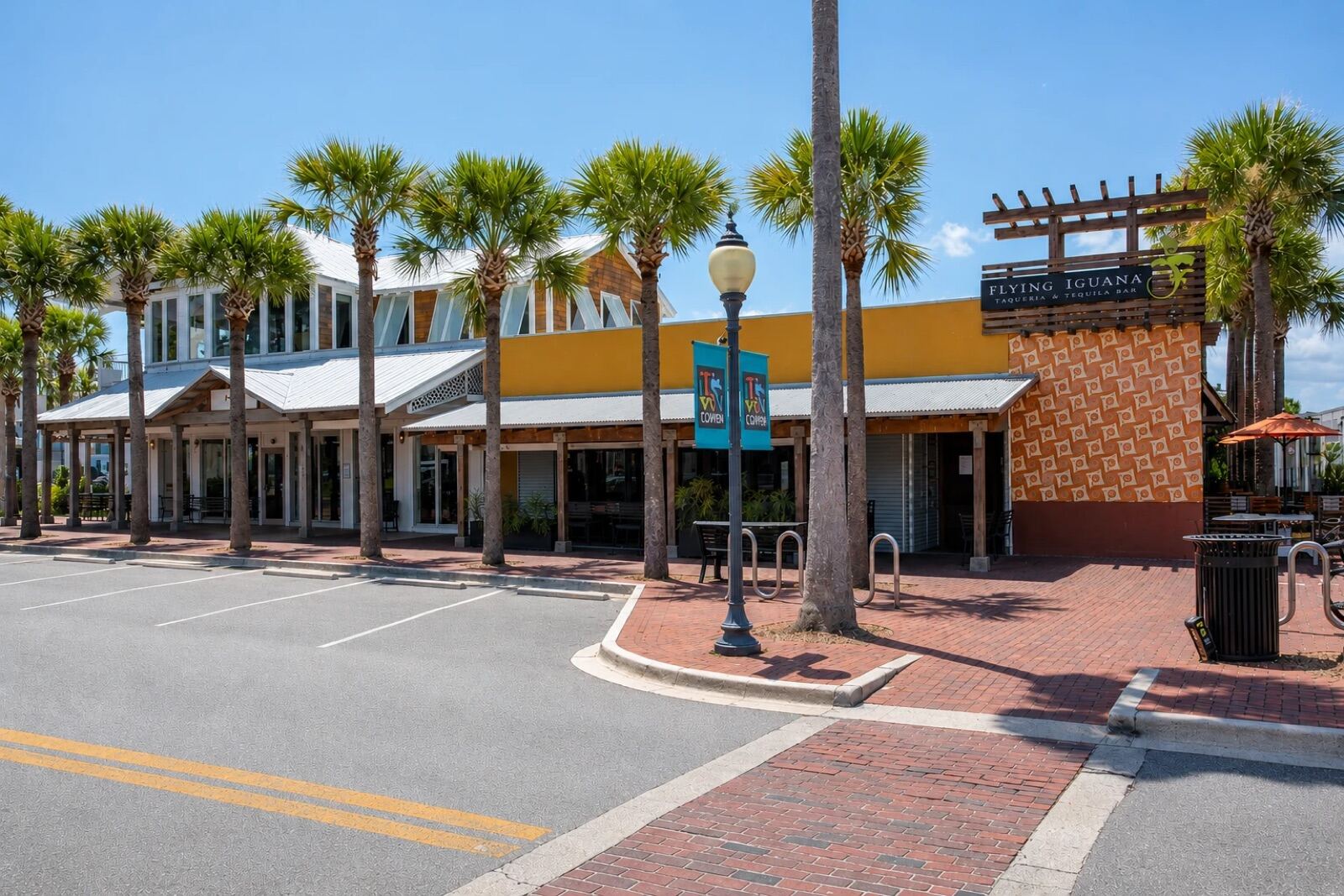
Beaches Town Center storefronts and palm trees in Atlantic Beach
Beaches Town Center, Atlantic Beach — one of the pockets where street-level knowledge moves a valuation more than any algorithm.

Thinking about selling after you see the number?

See how I price, prepare, and launch a listing — then decide.

See How Selling Works Call or Text 904-728-2262
Aerial view of new homes in a coastal Beaches neighborhood
Building With Drew · Someday Homes

Our Projects

Someday Homes builds very few spec homes per year at the Beaches — ranging from $1M to $4M depending on the project. I sell these homes, and I build them with my builder partner, Matt Roberts.

How our builds work

  • No model homes. We're not a model-home operation. Buyers tour real homes that are actually under construction — you see the framing, the materials, and the craftsmanship as it goes up, not a staged showroom.
  • A short list, on purpose. A handful of projects a year means each home gets real attention from start to finish — and when a new one is coming, my clients and contacts hear about it early.
  • Real warranty coverage. Every home we build carries a 1-year home warranty and a 10-year structural warranty. In month 11, I remind my buyers to do a full warranty walkthrough so anything covered gets documented and fixed before that first year runs out.
  • Sold by someone who built it. Drew isn't handing you off to a sales team — he sells these homes himself and builds them with Matt Roberts, so the person answering your questions is the person behind the project.

Under Construction

Three projects currently underway — two in Jacksonville Beach and one in Neptune Beach. Click any project below for more detail — leave your info and I'll reach out to you about it.

Front elevation rendering of the home under construction at 109 Florida Blvd, Neptune Beach Under Construction Rendering

109 Florida Blvd

$3,700,000

Neptune Beach, FL 32266

3,233 sq ft heated & cooled · 4,263 sq ft under roof

  • Expected completion in 2026
  • Someday Homes spec build in Neptune Beach
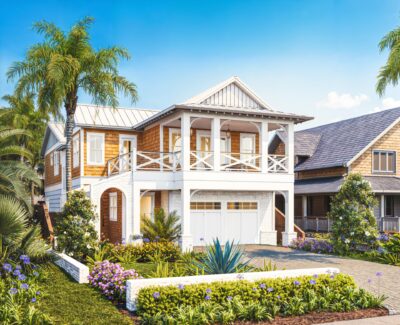
Rendering of the home under construction at 536 7th Ave N, Jacksonville Beach Under Construction Rendering

536 7th Ave N

Jacksonville Beach, FL 32250

4 bd · 3.5 ba · 3,064 sq ft

  • Dedicated office
  • Butler pantry
  • Detached covered outdoor kitchen
  • Estimated completion end of 2026
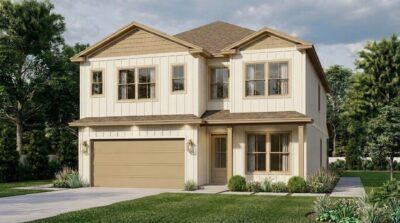
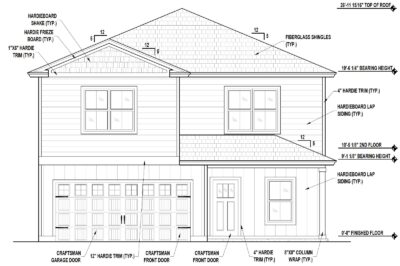
Front elevation drawing of the home under construction at 530 7th Ave N, Jacksonville Beach Under Construction Elevation drawing

530 7th Ave N

Jacksonville Beach, FL 32250

4 bd · 3.5 ba · 2,622 sq ft

  • 4-bedroom, 3.5-bath plan
  • Estimated completion end of 2026

For Sale

Two Someday Homes currently for sale in Jacksonville Beach.

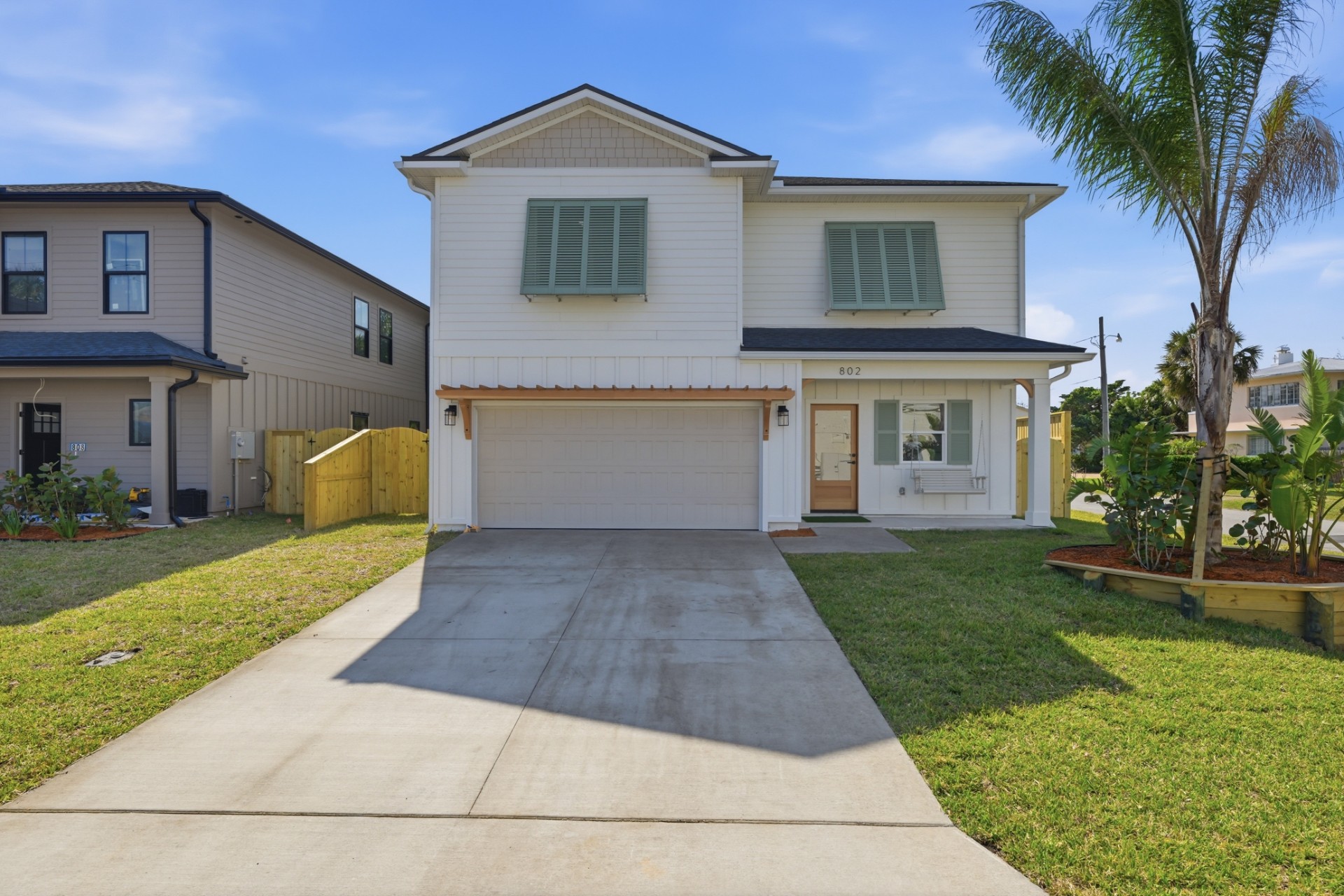
Front exterior of the home for sale at 802 4th St S, Jacksonville Beach For Sale

802 4th St S

$1,199,000

Jacksonville Beach, FL 32250

  • A stone's throw from the ocean
  • Engineered hardwood, a custom range hood, and luxury cabinetry and fixtures
  • Palm-tree-lined backyard with room for a pool
  • Corner lot · 1-year home warranty · 10-year structural warranty
Front exterior of the home for sale at 808 4th St S, Jacksonville Beach For Sale

808 4th St S

$1,199,000

Jacksonville Beach, FL 32250

4 bd · 2.5 ba · 2,407 sq ft

  • Ocean views and sunrises
  • Taj Mahal quartz counters and backsplash with a plaster range hood
  • Outdoor kitchen and a private balcony off the owner's suite
  • Fully fenced yard · No HOA

Recently Sold

Recent Someday Homes sales in Jacksonville Beach.

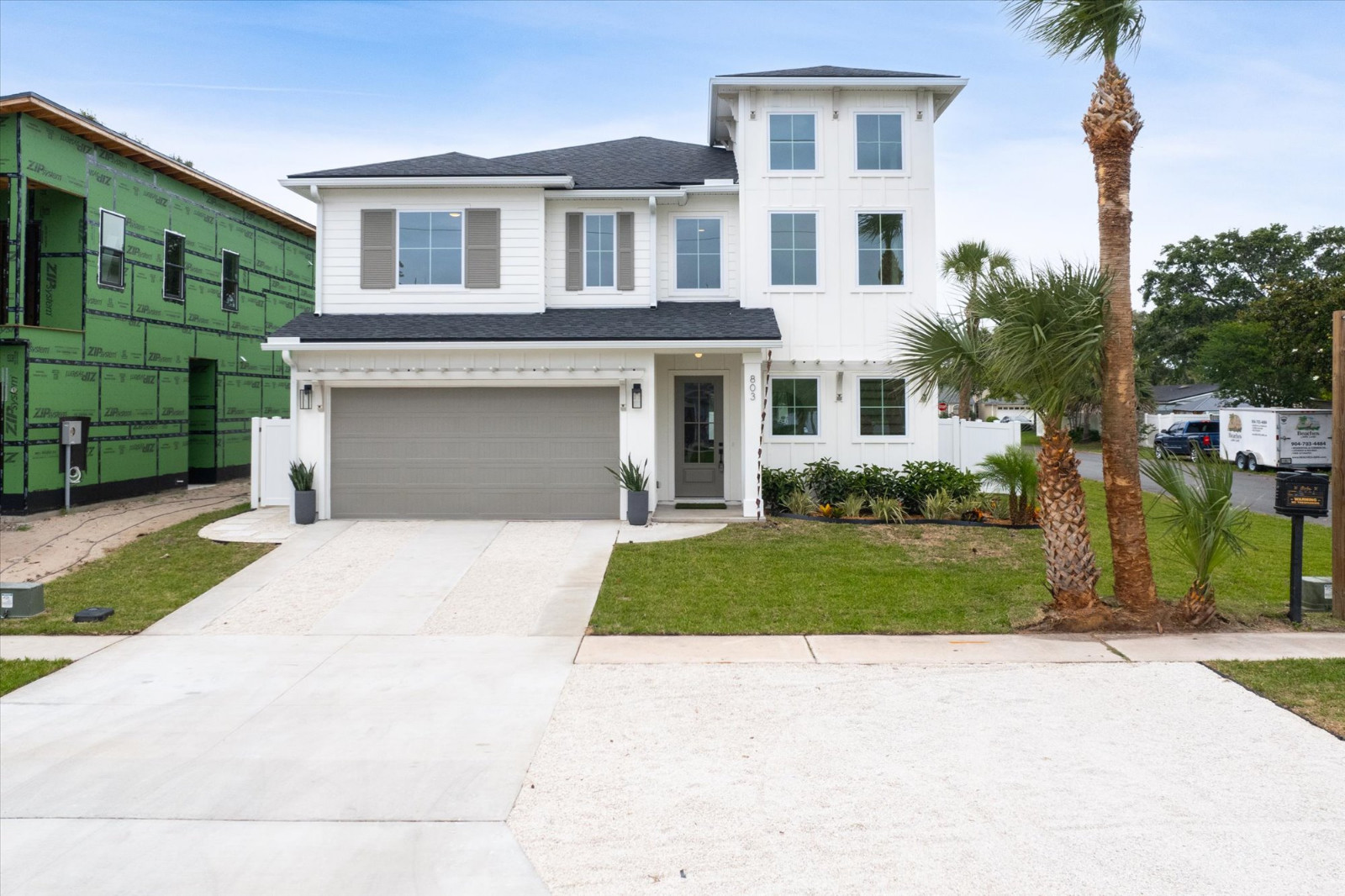
Front exterior of the sold home at 803 16th Ave S, Jacksonville Beach Sold

803 16th Ave S

$1,287,000

Jacksonville Beach

4 bd · 3.5 ba · 2,622 sq ft

  • 27-ft stair tower filled with natural light
  • Custom oak beams
  • Primary suite on the first floor
  • Corner lot with room for a pool
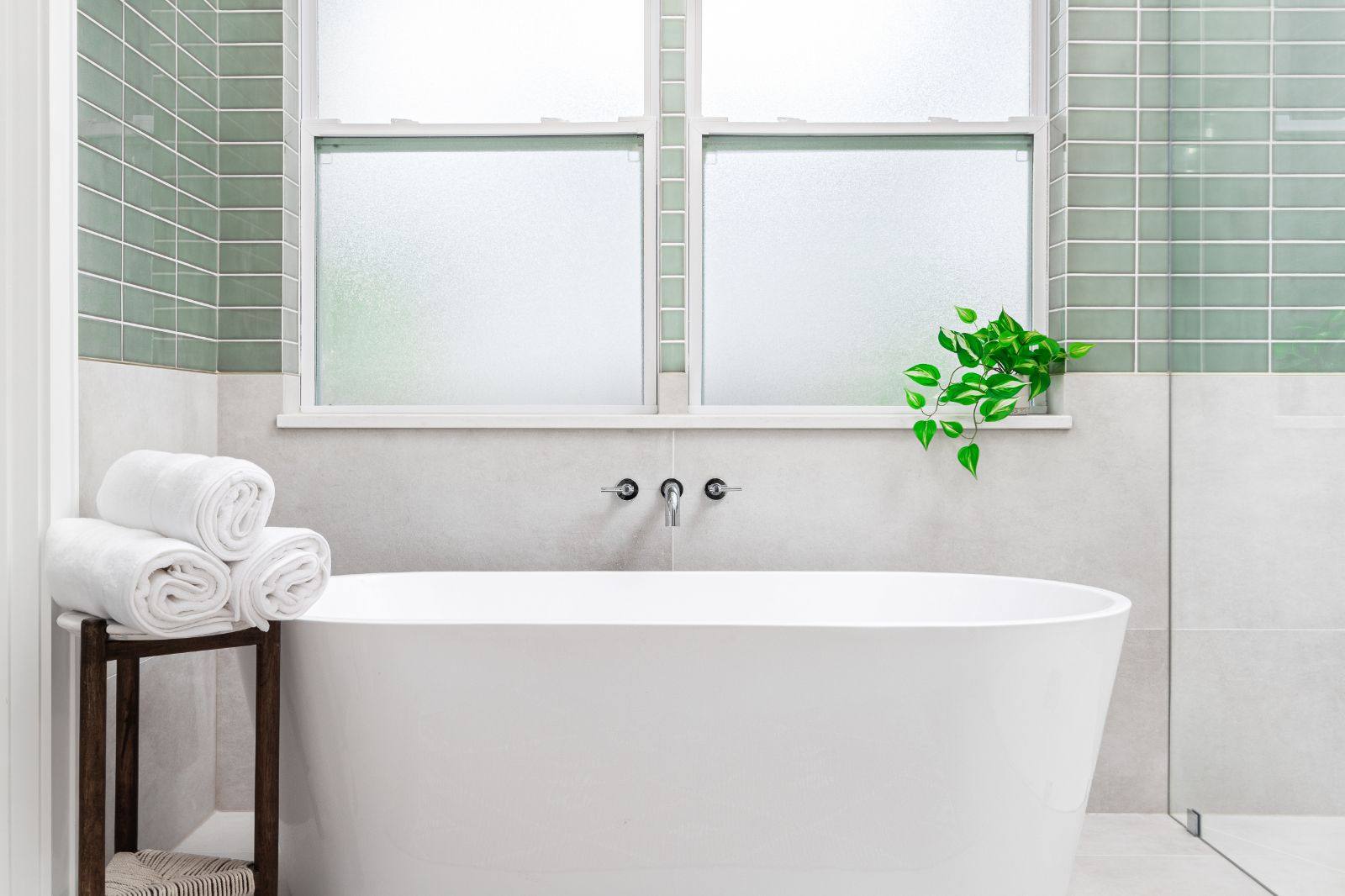
Bathroom with a freestanding tub at the sold home at 405 18th St N, Jacksonville Beach Sold

405 18th St N

$1,155,000

Jacksonville Beach

4 bd · 2.5 ba · 2,599 sq ft

  • Massive corner lot
  • Dedicated office / flex room
  • 10-ft ceilings
  • Indoor and outdoor kitchens, plus boat parking
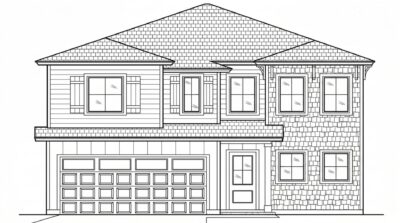
Front elevation drawing of the sold home at 480 9th Ave S, Jacksonville Beach Sold Elevation drawing

480 9th Ave S

$1,123,400

Jacksonville Beach

4 bd · 2.5 ba · 2,508 sq ft

  • 4-bedroom, 2.5-bath plan
  • 2,508 sq ft
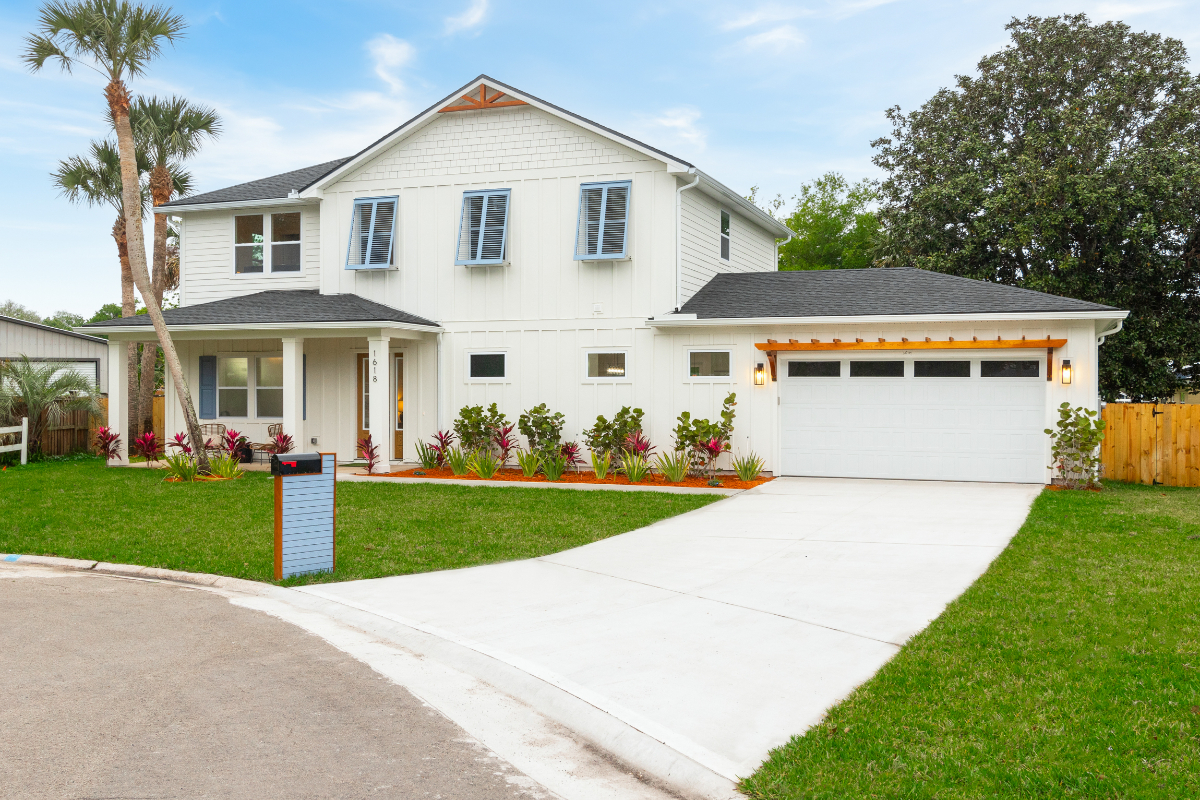
Front exterior of the sold home at 1618 Sunset Dr, Jacksonville Beach Sold

1618 Sunset Dr

$1,105,000

Jacksonville Beach

4 bd · 2.5 ba · 2,599 sq ft

  • Dedicated office
  • Primary suite on the first floor
  • Indoor and outdoor kitchens
  • Custom oak island
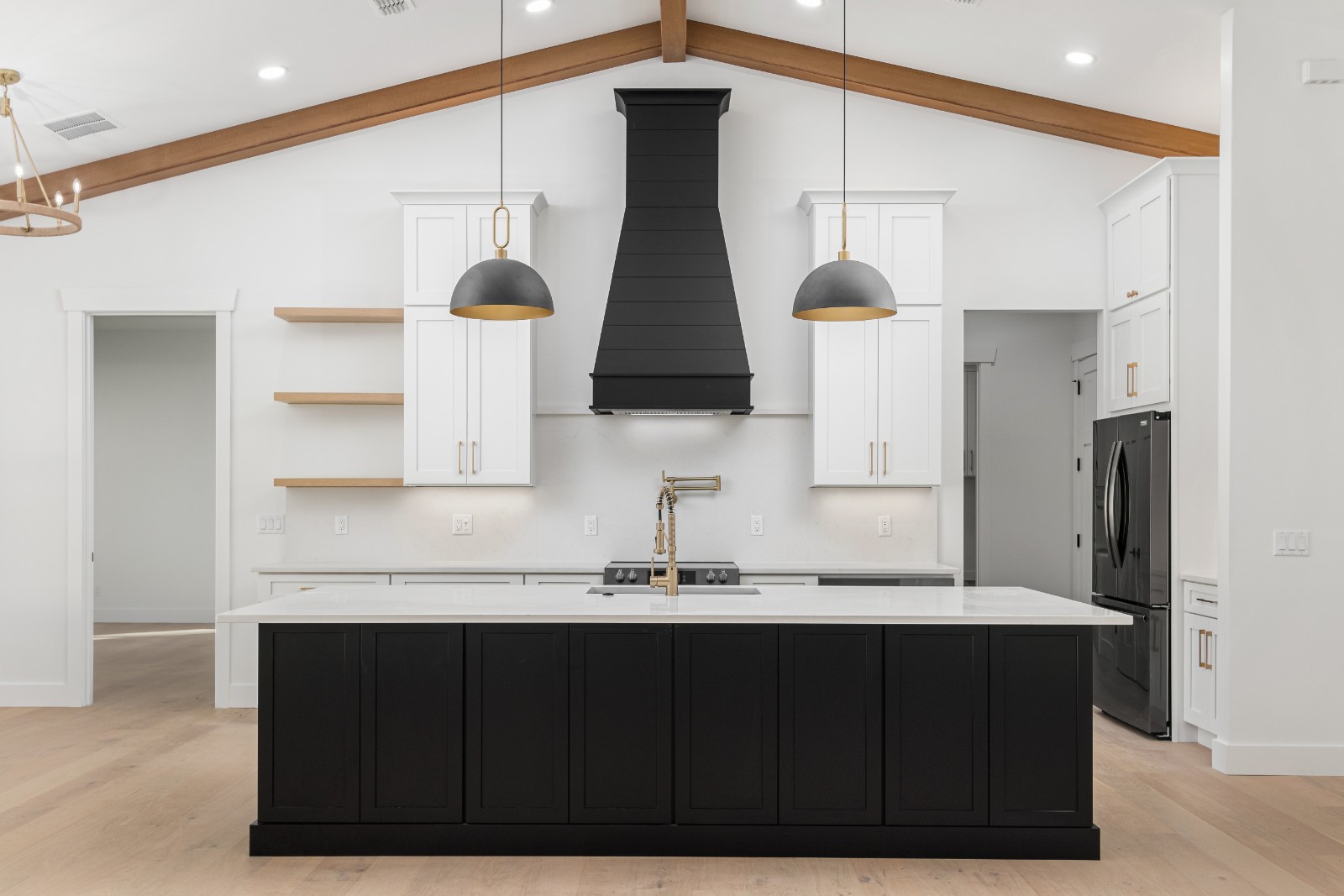
Kitchen with vaulted ceilings at the sold home at 409 18th St N, Jacksonville Beach Sold

409 18th St N

$1,096,875

Jacksonville Beach

4 bd · 2 ba · 2,300 sq ft

  • Rare single-story plan on a large corner lot
  • Vaulted ceilings
  • Full marble primary bathroom
Front exterior of the sold home at 807 16th Ave S, Jacksonville Beach Sold

807 16th Ave S

$999,000

Jacksonville Beach

4 bd · 2.5 ba · 2,006 sq ft

  • Tropical-oasis entry
  • Built-in outdoor kitchen and shower
  • Room for a pool
  • Short walk to the beach
Rendering of the sold custom home at 941 Ruth Ave, Jacksonville Beach Sold Rendering

941 Ruth Ave

Jacksonville Beach

6 bd · 4 ba · 3,733 sq ft

  • Custom multi-generational build with a pool and cabana
  • 5,000 sq ft under roof

Interested in one of our homes?

Start with a conversation — and a walk through a real home under construction.

904-728-2262
Text Drew [email protected]
Aerial view of the Jacksonville Beaches coastline
Free Guide

The Beaches Relocation Guide

Moving to Jacksonville's Beaches from somewhere else? This free guide is the head start I give my own relocating clients — the four beach towns compared honestly, and the local homework that matters before you buy.

What's inside

  • Four towns, side by side — Jacksonville Beach, Neptune Beach, Atlantic Beach, and Ponte Vedra Beach: what each feels like, who it fits, and how they differ
  • Flood zones & insurance, explained plainly — the first thing to check on any coastal home, and how to check it
  • The questions out-of-town buyers forget to ask — rental rules, elevation certificates, condo documents, club memberships
  • A realistic buying timeline — from first tour trip to closing day, including how to buy well from a distance
  • Everyday life notes — schools, commutes over the bridges, and where locals actually spend their weekends

Fill out the form and I'll send the guide over personally — plus a short call if you want one, only if you want one. No spam, no pressure.

Get your free guide

Submitting opens an email to Drew with your details — just press send in your mail app and the guide is on its way.

Thanks — your email app should have opened with your request. Once Drew gets it, the Relocation Guide lands in your inbox. Want it faster? Text 904-728-2262 and say "guide."

Relocating to the Beaches?

One call with a local beats a month of guessing from listing photos.

904-728-2262
Text Drew [email protected]
About Drew · Reviews

Drew Kazemba

Realtor® and investor with Someday Homes Realty — 6 years of experience, based in Jacksonville Beach and living in the Aquatic Beach neighborhood.

The short version

I sell real estate the way I live: locally, and through relationships. My business is built on referrals, open houses, community events, and actually knowing the streets I sell on. I handle buyers, sellers, new construction, renovations, flips, and off-market opportunities across Jacksonville Beach, Neptune Beach, Atlantic Beach, and the greater Jacksonville area.

I'm also an investor, and I build new construction with my builder partner — that's the "Building With Drew" side of the business. Sitting on the builder's side of the table has made me a better buyer's agent: I know what homes cost to build, what repairs actually run, and which "little issues" on an inspection report are little and which ones aren't.

Drew Kazemba in a light gray suit standing in a high-end kitchen
Drew Kazemba

How I work

  • Straight answers. If a house is wrong for you — wrong flood zone, wrong street, wrong numbers — I'll tell you, even when it costs me a sale.
  • Local first. I live in Aquatic Beach, and I'm always open to buying in my own neighborhood. I sell the Beaches because they're home.
  • Relationships over transactions. Meals, golf, community events, following up long after closing — most of my clients come from people who already know me.
  • The details get handled. Contracts, deadlines, inspections, insurance introductions, title — the follow-through is the job, and I run it like one.

Off the clock

When I'm not working, you'll find me at CrossFit or yoga, out on the golf course, trying a new restaurant, or at the beach with my fiancée and our two golden retrievers. I moved my life to the Beaches on purpose — helping other people do the same is the fun part of this job.

Drew Kazemba in a navy blazer with his two golden retrievers wearing bandanas
Drew Kazemba with his two golden retrievers
6 years
of real estate experience
Someday Homes Realty
brokerage
Aquatic Beach
where Drew lives

Reviews — what clients say about working with Drew

My business runs on referrals — which means it runs on how clients feel after closing. Read the reviews for yourself, in the places that publish them.

5.0 stars on Zillow

Drew is rated 5.0 stars by clients on Zillow and recognized among the top 1% of Jacksonville agents by EffectiveAgents.

40 Google reviews (4.7 stars)

Bought or sold with Drew?

A review is the single most helpful thing a client can do for a relationships-based business — it's how the next family finds me. If we worked together and I earned it, I'd be grateful for a few honest words on Google or Zillow. The buttons above take you straight there.

And if something about your experience could have been better, I'd rather hear it from you directly: call or text me at 904-728-2262 and I'll make it right.

Let's get to know each other

Coffee, a call, or a round of golf — I'm easy to reach.

904-728-2262
Text Drew [email protected]
Aerial view of the Jacksonville Beaches coastline
The Blog

Beaches real estate, written down

The homework, the local knowledge, and the straight answers I give my own clients — on buying, selling, neighborhoods, and new construction at Jacksonville's Beaches.

Latest posts

Jacksonville Beach pier and shoreline
Buying at the Beaches

Buying a Home in Jacksonville Beach Florida: How to Read a Listing and Tour Homes With a Plan

How to read a listing beyond the photos, check layout, storage, and beach details on tour, and compare homes with a clear plan before you offer.

November 12, 2026

Read the post →
Aerial view of the Beaches coastline and oceanfront neighborhoods
Selling at the Beaches

Selling and Buying at the Same Time in Jacksonville Beach, Neptune Beach, and Atlantic Beach: How to Sequence Your Move

How to prepare your current home, line up financing, choose your order, and keep both closings on one timeline when you sell and buy at the same time.

November 12, 2026

Read the post →
Aerial view down the Jacksonville Beach fishing pier toward the shoreline
Local Life

Things to Do at the Jacksonville Beaches Year Round: Beaches Museum, Beaches Town Center, and the Jacksonville Beach Pier Area

Beaches Museum, Beaches Town Center, and the Jacksonville Beach Pier area: three anchor spots for history, food, shopping, and oceanfront time in any season.

November 12, 2026

Read the post →
Wide, quiet stretch of sand at Neptune Beach
Buying at the Beaches

Buying a Home in Neptune Beach Florida: Quiet Streets, Beach Access, and What Buyers Should Know Before Making an Offer

Quiet streets, beach access, condition and flood checks, and how to get ready to write a clean offer in Neptune Beach.

November 11, 2026

Read the post →
Aerial view of the Beaches coastline and oceanfront neighborhoods
Selling at the Beaches

Selling Your Home in Greater Jacksonville Florida: How to Handle Multiple Offers, Appraisal Gaps, and Buyer Contingencies

How to compare multiple offers fairly, handle appraisal gaps, and weigh buyer contingencies when selling in greater Jacksonville.

November 11, 2026

Read the post →
The island green at TPC Sawgrass in Ponte Vedra Beach
Local Life

Golf Courses and Outdoor Life Near Jacksonville Beach and Ponte Vedra Beach: A Local Guide for New Residents

Golf at TPC Sawgrass and beyond, plus beaches, parks, trails, and water: what outdoor life looks like near Jacksonville Beach and Ponte Vedra Beach.

November 11, 2026

Read the post →
Atlantic Beach shoreline with beach homes and tree canopy
Buying at the Beaches

Buying a Home in Atlantic Beach Florida: Streets, Home Styles, and Daily Life in a Quiet Beach Town

Streets, home styles, lot and condition checks, and daily life in Atlantic Beach: a street by street guide for buyers in a quiet beach town.

November 10, 2026

Read the post →
Jacksonville Beach pier and shoreline
Selling at the Beaches

Selling a Jacksonville Beach Condo or Townhome: Pricing, Association Fees, and Buyer Questions to Expect

Pricing with association fees in view, documents to gather early, unit preparation, and the buyer questions condo and townhome sellers should expect.

November 10, 2026

Read the post →
Kathryn Abbey Hanna Park trails and lake in Jacksonville
Local Life

Best Free Things to Do in Jacksonville and at the Beaches: Parks, Beaches, and Public Spaces Open Year Round

Public beaches, shaded trails, riverwalks, and neighborhood parks across Jacksonville and the Beaches that are open year round and free to enjoy.

November 10, 2026

Read the post →
Jacksonville Beach pier and shoreline
Buying at the Beaches

Buying a Home With a Guest House in Jacksonville Beach and Ponte Vedra Beach: What to Check Before You Buy

Guest houses, garage apartments, and backyard cottages: permitting, systems, local rules, and daily use checks before you buy at the Beaches.

November 9, 2026

Read the post →
Aerial view of the Beaches coastline and oceanfront neighborhoods
Selling at the Beaches

How to Prepare Your Jacksonville Beach Home for Listing Photos and Showings: A Practical Seller Checklist

Curb appeal, light, small fixes, and showing routines: the practical steps to get a Jacksonville Beach home ready for photos and buyers.

November 9, 2026

Read the post →
Aerial view of the Beaches coastline and oceanfront neighborhoods
Local Life

Exploring Downtown Jacksonville From the Beaches: Riverwalk, Museums, and Easy Day Trips for New Residents

Riverwalk walks, museums, sports, and simple day trip planning: how beach residents use downtown Jacksonville in everyday life.

November 9, 2026

Read the post →
Atlantic Beach shoreline with beach homes and tree canopy
Relocation

Military Relocation to Jacksonville Beach and Atlantic Beach: Buying a Home Near Naval Station Mayport With a VA Loan

VA loan steps, commute choices near Naval Station Mayport and NAS Jacksonville, remote house hunting, and writing a clean offer on a PCS timeline.

November 8, 2026

Read the post →
Aerial view of the Beaches coastline and oceanfront neighborhoods
Selling at the Beaches

Selling a Home in Jacksonville: Florida Disclosures, Closing Costs, and What Happens at Closing

Florida disclosure duties, seller closing costs and net sheets, the steps under contract, and what to check in the final week before closing.

November 8, 2026

Read the post →
Kathryn Abbey Hanna Park trails and lake in Jacksonville
Local Life

Parks and Nature Near the Jacksonville Beaches: Hanna Park, Dutton Island, Timucuan Preserve, and Guana Reserve Guide

Hanna Park, Dutton Island Preserve, the Timucuan Preserve, and the Guana Reserve: trails, marsh, history, and beach access near home.

November 8, 2026

Read the post →
Aerial view of the Beaches coastline and oceanfront neighborhoods
Buying at the Beaches

How Financing Works When Buying a Home at the Jacksonville Beaches: Preapproval, Lenders, and Closing Costs Explained

Preapproval, picking a local lender, the full monthly payment, and closing costs: the financing steps to line up before you buy at the Beaches.

November 7, 2026

Read the post →
Aerial view of Ponte Vedra Beach golf, lagoon, and ocean
Buying at the Beaches

What to Know About HOAs, CDDs, and Community Rules When Buying in Ponte Vedra Beach and Greater Jacksonville

HOA dues, CDD fees, special assessments, and community rules: the costs and paperwork to check before you buy in a planned community.

November 7, 2026

Read the post →
Jacksonville Beach pier and shoreline
Local Life

A Jacksonville Day on the Water: Kayaking, Paddleboarding, and Boat Ramps From Jacksonville Beach to the St. Johns River

The ocean, the Intracoastal, and the St. Johns River: how to plan a day of paddling, boating, and fishing around Jacksonville Beach.

November 7, 2026

Read the post →
Wide, quiet stretch of sand at Neptune Beach
Selling at the Beaches

Selling Your Neptune Beach Home: What Buyers Notice in a Small Beach Town

Condition, layout, and how a home fits beach life day to day: what buyers in Neptune Beach actually pay attention to, and where to focus before you list.

November 6, 2026

Read the post →
Jacksonville Beach pier and shoreline
Relocation

Relocating to Jacksonville Beach for Work: How to Buy on a Timeline and Close From a Distance

A clear plan, good video tours, and honest communication: how to buy at the Beaches from a distance when a job move sets the timeline.

November 6, 2026

Read the post →
Aerial view of the Beaches coastline and oceanfront neighborhoods
Neighborhoods

Jacksonville Neighborhoods Beyond the Beaches: A Buyer's Guide to Riverside, San Marco, and Murray Hill

Character, tradeoffs, and housing stock in Riverside, San Marco, and Murray Hill, and how they compare with life at the beaches.

November 6, 2026

Read the post →
Atlantic Beach shoreline with beach homes and tree canopy
Selling at the Beaches

Selling Your Atlantic Beach Home: How to Prepare a Beach Cottage or Larger Home for Today's Buyers

Curb appeal, light and honest condition, pricing with real local context, and paperwork ready early: how to prepare an Atlantic Beach home for today's buyers.

November 5, 2026

Read the post →
Aerial view of the Beaches coastline and oceanfront neighborhoods
Buying at the Beaches

Florida Homestead Exemption and Property Taxes: What Jacksonville Beaches Homebuyers Should Understand Before They Buy

Why the seller's tax bill is not your tax bill, how the homestead exemption works, and what to file after you close on a primary home at the Beaches.

November 5, 2026

Read the post →
Wide, quiet stretch of sand at Neptune Beach
Local Life

A Local's Guide to Amelia Island and Fernandina Beach: An Easy Day Trip From Jacksonville Beach

Centre Street, Fort Clinch State Park, and a slow finish by the water: how to spend an easy day on Amelia Island from the Beaches.

November 5, 2026

Read the post →
Jacksonville Beach pier and shoreline
Buying at the Beaches

Buying an Older Beach Home in Jacksonville Beach: Location, Condition, and Renovation Questions Worth Asking

Location, condition, and renovation scope: what to ask before you buy an older home in Jacksonville Beach.

November 4, 2026

Read the post →
Aerial view of the Beaches coastline and oceanfront neighborhoods
Investment

Buying a Beach Second Home or Rental Property in Jacksonville Beach: What to Understand Before You Buy

Goals, rental rules, management, and financing: what to understand before you buy a second home or rental property at the Beaches.

November 4, 2026

Read the post →
Kathryn Abbey Hanna Park trails and lake in Jacksonville
Local Life

A Jacksonville Beaches Outdoors Weekend: Surfing, Fishing, Biking, and Parks From Jacksonville Beach to Ponte Vedra

Surfing, fishing, biking, and parks: a simple outdoors weekend from Jacksonville Beach to Ponte Vedra Beach.

November 4, 2026

Read the post →
New homes under construction in a coastal Beaches neighborhood
New Construction

Buying New Construction in Jacksonville Beach and Neptune Beach: Questions to Ask Before You Sign

What is included, timelines, inspections, warranty, and representation: the practical questions to ask a builder before you sign.

October 31, 2026

Read the post →
Wide, quiet stretch of sand at Neptune Beach
Neighborhoods

Neptune Beach Neighborhood Guide: Quiet Streets, Local Spots, and Life Near the Sand

Quiet streets, walkable blocks, and local spots: what daily life feels like in Neptune Beach and what to check block by block.

October 31, 2026

Read the post →
Kathryn Abbey Hanna Park trails and lake in Jacksonville
Local Life

Things to Do at Kathryn Abbey Hanna Park in Jacksonville: Beach, Trails, and a Full Day Outside

Beach, lake, trails, and picnic space in one park: how to plan a full day outside at Kathryn Abbey Hanna Park.

October 31, 2026

Read the post →
Jacksonville Beach pier and shoreline
Buying at the Beaches

Flood zones and insurance: check them before you fall for the house

Two homes on the same street can differ by thousands a year in insurance. The order I check things in — and why it happens before any offer gets written.

Read the post →
Atlantic Beach shoreline with beach homes and tree canopy
Neighborhoods

Four beach towns, four personalities: which one fits you?

Jacksonville Beach, Neptune Beach, Atlantic Beach, and Ponte Vedra Beach sit minutes apart and feel completely different. Here's the honest comparison.

Read the post →
New homes under construction in a coastal Beaches neighborhood
New Construction

Visiting a model home? Register your agent first

The five-minute step that protects your right to representation when you buy from a production builder — and what it costs you if you skip it.

Read the post →
Aerial view of the Beaches coastline and oceanfront neighborhoods
Selling at the Beaches

Selling Your Jacksonville Beach Home: What to Fix, What to Leave Alone, and How to Price It Right

What to fix, what to leave alone, and how to price from real sold comps when you sell a home at the Beaches.

October 30, 2026

Read the post →
Wide, quiet stretch of sand at Neptune Beach
Relocation

Relocating to Jacksonville’s Beaches: A First Weekend Guide to Jacksonville Beach, Neptune Beach, and Atlantic Beach

How to spend a first weekend in Jacksonville Beach, Neptune Beach, and Atlantic Beach to learn which town fits how you live.

October 30, 2026

Read the post →
Atlantic Beach shoreline with beach homes and tree canopy
Investment

Buying an Investment Property at the Jacksonville Beaches: Questions to Ask Before You Buy

Rental rules, insurance, upkeep, and management: the questions to work through before you buy an investment property at the Beaches.

October 30, 2026

Read the post →
Aerial view of Ponte Vedra Beach golf, lagoon, and ocean
Buying at the Beaches

Buying a Home in Ponte Vedra Beach: Neighborhoods, Home Types, and What Buyers Should Know

Location, home type, flood and insurance basics, and financing: what to sort out before you buy in Ponte Vedra Beach.

November 1, 2026

Read the post →
Jacksonville Beach pier and shoreline
Buying at the Beaches

What a Florida Home Inspection Covers, and What Jacksonville Beach Buyers Should Expect

What a general inspection covers, the beach items that deserve extra attention, and how to use the report when it comes back.

November 1, 2026

Read the post →
Aerial view of the Beaches coastline and oceanfront neighborhoods
Local Life

A Local's Guide to a Perfect Day Trip in St. Augustine: History, Great Food, and the Beach

History in the morning, good food at lunch, and salt air in the afternoon: how to plan a full day in St. Augustine.

November 1, 2026

Read the post →
New homes under construction in a coastal Beaches neighborhood
New Construction

Buying New Construction at the Jacksonville Beaches: What to Ask Your Builder Before You Sign

The builder, the lot, the timeline, inspections, and the warranty: the questions to ask before you sign on a new home at the Beaches.

November 2, 2026

Read the post →
Atlantic Beach shoreline with beach homes and tree canopy
Buying at the Beaches

Buying a Condo or Townhome in Jacksonville Beach, Neptune Beach, and Atlantic Beach: What Is Different From a Single Family Home

Ownership, association dues and rules, insurance, and resale: how buying a condo or townhome differs from buying a single family home.

November 2, 2026

Read the post →
Jacksonville Beach pier and shoreline
Local Life

Things to Do in Jacksonville and at the Beaches: Local Favorites That Are Worth Your Time Year Round

Beaches, parks, neighborhoods, local food, and easy day trips: local favorites worth your time in any season.

November 2, 2026

Read the post →
Jacksonville Beach pier and shoreline
Buying at the Beaches

First-Time Homebuyer's Guide to Buying at the Jacksonville Beaches

Pre-approval, down payment and closing costs, what to check on beach home tours, condos and townhomes, and how an offer actually works, in plain terms.

November 3, 2026

Read the post →
Aerial view of Ponte Vedra Beach golf, lagoon, and ocean
Selling at the Beaches

Selling Your Ponte Vedra Beach Home: Preparation, Pricing, and Timing That Actually Matter

Preparation that pays off, honest pricing from real comparable sales, and how to judge timing, showings, feedback, and offers in Ponte Vedra Beach.

November 3, 2026

Read the post →
Wide, quiet stretch of sand at Neptune Beach
Local Life

Fall and Winter at the Jacksonville Beaches: A Local's Guide to the Quieter Season

Milder weather, quieter beaches, walks and bike rides, local restaurants and coffee, and easy day trips during the calmer months at the Beaches.

November 3, 2026

Read the post →
Jacksonville Beach pier and shoreline
Buying at the Beaches
November 12, 2026

Buying a Home in Jacksonville Beach Florida: How to Read a Listing and Tour Homes With a Plan

A listing is a starting point, not the full story. Photos are chosen to show a home at its best, descriptions highlight strengths, and important details about layout, storage, parking, and outdoor space are often easier to judge in person. If you are buying in Jacksonville Beach, Neptune Beach, or Atlantic Beach, a simple plan for reading listings and touring homes will help you compare options fairly and avoid falling for the first polished photo set you see.

Start with the basics you can verify. Note the address area, the number of bedrooms and bathrooms, the living area, the lot description, and whether parking is a garage, a carport, or driveway space. Look closely at how the rooms connect. An open kitchen and living area works well for some buyers, while others need a separate office, a guest room with a door, or a quieter bedroom wing. If a listing mentions an addition, a converted garage, or a guest space, add those items to your tour checklist and confirm how the space feels and functions when you are inside.

Use photos as clues, not conclusions. A wide angle lens can make a room feel larger than it is. Bring a tape measure or use your phone to check whether your largest furniture will fit, especially in primary bedrooms and living rooms. Open closets and kitchen cabinets. Look at where laundry sits, whether there is pantry space, and whether bathrooms have usable storage. Outside, check the flow from the back door to the yard, patio, or pool area, and notice how much privacy you get from neighboring homes.

Pay attention to beach specific details during the tour. Note how far the home feels from the beach on foot or by bike, not just on a map. Check for outdoor shower space, board and bike storage, and room to rinse off after the beach. Look at windows, doors, and exterior surfaces for signs of wear from sun and salt air, and ask about the age and condition of major systems such as the roof, air conditioning, plumbing, and electrical panel. You will still rely on a professional inspection, but your own notes help you decide which home is worth that next step.

Tour more than one home before you decide, when inventory allows. Comparing two or three homes on the same day makes tradeoffs clearer. One home may have the better kitchen, another the better yard, and a third the quieter street. Write down one strength, one concern, and one follow up question for each home while the visit is fresh. That short note is more useful a week later than trying to remember which home had which feature.

When you find a home that fits, move with a clear offer plan. Talk through price, closing timeline, inspection timing, and contingencies with your agent before you write. A clean, complete offer with realistic terms is easier for a seller to evaluate than a rushed offer with missing pieces. Buying well at the beaches is less about chasing a perfect listing and more about reading the full picture and choosing the home that fits your daily life.

Thinking about buying in Jacksonville Beach, Neptune Beach, or Atlantic Beach? Call or text Drew Kazemba with Someday Homes Realty at 904-728-2262 and let us build a tour plan around what you actually need.

Aerial view of the Beaches coastline and oceanfront neighborhoods
Selling at the Beaches
November 12, 2026

Selling and Buying at the Same Time in Jacksonville Beach, Neptune Beach, and Atlantic Beach: How to Sequence Your Move

Selling one home while buying another is common at the Jacksonville Beaches, and it is manageable when you sequence the steps early. The stress usually comes from waiting too long to prepare the home you are selling, or from finding the next home before you understand how your sale, your financing, and your closing dates fit together. A clear order of operations protects you from rushed decisions on either side.

Start with the home you own now. Walk through it with fresh eyes and handle the preparation work that takes the longest first, such as decluttering, small repairs, and gathering documents a buyer or listing agent may ask about. If you plan to do any painting, yard cleanup, or contractor work, schedule it before you start touring heavily. You want your current home ready to list on a timeline you control, not on a deadline created by a home you just found.

Next, get clear on your buying power. Talk with your lender about how a pending sale affects your next purchase and what options exist if the two closings do not line up on the same day. Some homeowners must sell first. Others can buy first, carry both homes for a short period, or use a contingency that ties the purchase to the sale. The right choice depends on your finances, your comfort with risk, and how competitive the home you want is likely to be. Do not guess at this part. A short lender conversation early will shape every decision that follows.

Then decide on your order. Selling first gives you a firm budget and removes uncertainty about what you will net, but it can create pressure to find the next home quickly or arrange a short term place to stay. Buying first gives you more time to choose, but it requires a stronger financial plan and a realistic plan to sell the first home promptly. There is no single right answer for Jacksonville Beach, Neptune Beach, and Atlantic Beach homeowners. The best order is the one that matches your finances, your family timing, and the type of home you are trying to buy next.

Build both timelines on one calendar. Mark your target list date, your expected contract window, inspection dates, appraisal timing, and both closing dates in one view. Leave room for delays and talk through backup plans before you need them, including what happens if one closing moves by a few days. Sellers who plan for that flexibility in advance handle changes with far less stress than sellers who assume every date will land exactly as first written.

Communication ties the whole move together. Use one agent who can see both sides of the sequence, keep both lenders and both closing teams informed, and confirm every date change in writing. When everyone works from the same timeline, you can sell with confidence and buy without feeling rushed into the wrong next home.

Planning to sell and buy at the same time at the beaches? Call or text Drew Kazemba with Someday Homes Realty at 904-728-2262 and let us map out the sequence step by step.

Aerial view down the Jacksonville Beach fishing pier toward the shoreline
Local Life
November 12, 2026

Things to Do at the Jacksonville Beaches Year Round: Beaches Museum, Beaches Town Center, and the Jacksonville Beach Pier Area

One of the best parts of living in Jacksonville Beach, Neptune Beach, and Atlantic Beach is that you do not need a special occasion to enjoy the area. Beyond the beach itself, three anchor areas give residents and visitors a reliable mix of history, food, shopping, and oceanfront time in any season. If you are new to the beaches or thinking about moving here, spending time in each area is a simple way to understand how daily life here actually feels.

Start with the Beaches Museum in Jacksonville Beach. The museum preserves and shares the history of the beaches communities, including Jacksonville Beach, Neptune Beach, Atlantic Beach, Mayport, and Ponte Vedra Beach. Exhibits and programs help put the area in context, from its early beach town roots to the communities residents know today. It is a good first stop for newcomers because it explains how each beach town developed its own character, and it is an easy indoor option on a hot or rainy day when a full beach day is not the plan.

Next, spend an evening or a weekend afternoon in Beaches Town Center, where Neptune Beach and Atlantic Beach meet. The area is known for its walkable mix of restaurants, local shops, and gathering spaces close to the ocean. It works for a casual dinner, coffee with friends, or a slow walk after time on the beach. For people considering a move to Neptune Beach or Atlantic Beach, Town Center is a useful test of lifestyle fit. Visit at different times of day, notice the pace, and picture whether this is where you would want your regular nights out and weekend routines to happen.

Round out the day in the Jacksonville Beach Pier area and the surrounding oceanfront. The pier area is a natural gathering point for a walk, fishing, watching surfers, or simply taking in the Atlantic. Nearby streets give you access to additional dining and beachgoing spots, and the open oceanfront setting is a reminder of why so many buyers start their home search in Jacksonville Beach. Go early in the morning for a quieter feel and again later in the day to see how the energy changes.

Put the three together and you have an easy local routine that works year round. History in the morning at the museum, lunch or shopping in Town Center, and an oceanfront walk to finish the day. None of it requires a ticket to a one time event or a long drive. That everyday access to good food, local history, and the beach is a big part of what makes living at the Jacksonville Beaches different from living farther inland in greater Jacksonville.

Want a local guide to neighborhoods in Jacksonville Beach, Neptune Beach, and Atlantic Beach? Call or text Drew Kazemba with Someday Homes Realty at 904-728-2262 and let us talk through the areas that fit your life best.

Wide, quiet stretch of sand at Neptune Beach
Buying at the Beaches
November 11, 2026

Buying a Home in Neptune Beach Florida: Quiet Streets, Beach Access, and What Buyers Should Know Before Making an Offer

Neptune Beach is the smallest of the three Jacksonville Beaches towns, and that size is a big part of its appeal. It sits between Atlantic Beach to the north and Jacksonville Beach to the south, with quiet residential streets, easy beach access, and a local feel that buyers notice on their first drive through. If you are thinking about buying a home in Neptune Beach, Florida, it helps to understand how this market works before you start touring homes.

Start with the layout. Much of Neptune Beach is residential, with homes ranging from original beach cottages and ranch homes to renovated properties and newer construction on teardown lots. Streets closer to the ocean tend to draw strong interest, but homes a few blocks west can offer more space and a calmer street while still keeping the beach a short bike ride away. Ask yourself how you will actually use the location day to day. Will you walk to the beach most mornings, bike to coffee and restaurants near the Beaches Town Center area on the Atlantic Beach border, or drive to work in Jacksonville? Your answers should shape which streets you target.

Beach access and parking matter here. Neptune Beach has multiple beach access points, but parking near the ocean can be limited in some spots. When you tour a home, check how far the nearest access is, whether the street has room for guests, and how busy that block gets on weekends. A home that feels quiet on a Tuesday afternoon can feel very different on a sunny Saturday. Visiting at different times of day is one of the simplest ways to avoid surprises after you move in.

Condition deserves close attention in any beach town. Salt air, sun, and moisture are hard on roofs, windows, exterior paint, HVAC systems, and outdoor living spaces. During your inspection period, look closely at the age and condition of the roof, the electrical panel, plumbing, and any additions or enclosed porches. Ask for documentation on major updates. A renovated kitchen is easy to see. A newer roof, updated wiring, or a well maintained drainage plan is just as important, even if it is less exciting in photos.

Flood and insurance questions should come early, not after you are under contract. Parts of Neptune Beach sit in different flood zones, and your lender and insurance carrier will care about elevation and flood history. Ask whether the seller has an elevation certificate, what flood insurance they carry if any, and whether the property has had water intrusion issues. I walk buyers through these questions before they write an offer so the numbers they plan around are realistic.

Finally, be ready before the right home hits the market. Neptune Beach has a limited number of homes for sale at any one time, and well priced homes in good condition can move quickly. Get fully preapproved, know your must haves versus your nice to haves, and decide in advance how you would handle inspection timelines and appraisal questions. That preparation lets you write a clean, confident offer without rushing your judgment.

If you are considering Neptune Beach or comparing it to Atlantic Beach and Jacksonville Beach, I am happy to walk the streets with you and talk through the tradeoffs honestly. Call or text Drew Kazemba at Someday Homes Realty at 904-728-2262.

Aerial view of the Beaches coastline and oceanfront neighborhoods
Selling at the Beaches
November 11, 2026

Selling Your Home in Greater Jacksonville Florida: How to Handle Multiple Offers, Appraisal Gaps, and Buyer Contingencies

Selling a home in greater Jacksonville, Florida can move fast when the price, condition, and marketing line up. When more than one buyer is interested, sellers often ask the same questions. How do we compare offers fairly, what happens if the appraisal comes in low, and which contingencies should we accept? This guide breaks down those decisions in plain language so you can sell with a clear plan.

Start before the offers arrive. Price the home based on recent comparable sales, condition, and location, not just on what you hope to get. Prepare the home so buyers can see themselves living there. Clean, declutter, handle small repairs, and make sure your listing photos show the home in its best light. In Jacksonville and at the Beaches, good preparation often creates the competition that leads to stronger offers in the first place.

When multiple offers come in, look past the headline price. Compare the full package. How large is the earnest money deposit, and when is it due? Is the buyer preapproved, and has their lender verified income and assets? What is the proposed closing date, and does it fit your move? Are they asking for closing cost help, a home warranty, or personal property? A slightly lower price with strong financing, a solid deposit, and a clean timeline can be safer than the highest price with weak terms.

Appraisal gaps deserve a direct conversation. If a buyer offers above list price, their lender will still order an appraisal based on comparable sales. If the appraised value comes in below the contract price, the buyer may need to bring extra cash, renegotiate, or walk away depending on the contract terms. Some buyers offer appraisal gap coverage, meaning they agree in writing to cover some or all of the difference up to a set amount. If a buyer makes that promise, ask for proof of funds for that extra cash. A promise without reserves behind it is not protection.

Contingencies are not automatically bad. An inspection contingency gives the buyer a period to inspect the home and decide how to proceed, which is standard in our market and part of the AS IS contract process many Florida sellers use. A financing contingency ties the purchase to the buyer actually getting their loan. A sale contingency, where the buyer must sell their current home first, adds the most risk and delay. The key is understanding what each contingency means for your timeline and your ability to close if the first deal falls through. Keeping a backup offer in place, when possible, can give you a second path.

Communication matters throughout. Respond to buyers promptly, keep deadlines in writing, and confirm that deposits, loan applications, and inspections are moving on schedule. Most deals that fall apart do so because a deadline was missed quietly, not because anyone changed their mind loudly. A weekly check in with the buyer side, the lender, and the title company keeps small problems from becoming closing day problems.

Every seller situation is different. Your move date, your next purchase, and your comfort with risk should drive which offer you choose, not just the top number. If you are planning to sell in Jacksonville, Jacksonville Beach, Neptune Beach, Atlantic Beach, or Ponte Vedra Beach and want help comparing offers before you sign, call or text Drew Kazemba at Someday Homes Realty at 904-728-2262.

The island green at TPC Sawgrass in Ponte Vedra Beach
Local Life
November 11, 2026

Golf Courses and Outdoor Life Near Jacksonville Beach and Ponte Vedra Beach: A Local Guide for New Residents

One of the first things new residents notice at the Jacksonville Beaches is how much of daily life happens outside. Golf is a big part of that, especially around Jacksonville Beach and Ponte Vedra Beach, but it is only one piece of an outdoor routine that also includes the beach, parks, trails, and time on the water. If you are relocating to Northeast Florida, this guide will help you picture what weekends can actually look like here.

Golf near the Beaches covers a wide range of styles. In Ponte Vedra Beach, TPC Sawgrass is the name most golfers know first, home to THE PLAYERS Championship and two courses that draw visitors from around the country. It is a bucket list round for many players and a landmark for the whole area each spring. Beyond that headline course, the greater Jacksonville area has public and private options at different price points and difficulty levels, from relaxed local rounds where you can play nine holes after work to full championship layouts inland. When you move here, try a few different courses in your first season before deciding where you want to play regularly. Course conditions, pace of play, and drive time from your neighborhood matter as much as the scorecard.

Your home location shapes your golf routine more than people expect. Living in Jacksonville Beach or Neptune Beach puts you a short drive from Ponte Vedra Beach courses while keeping the ocean as your daily backdrop. Living in Ponte Vedra Beach itself puts golf, tennis, and beach clubs closer to home, with a longer drive for some Jacksonville work and dining. Neither choice is better in general. It depends on whether golf is a weekly habit, a monthly outing with friends, or something you mainly enjoy when guests visit.

Golf is only part of the outdoor picture. The Beaches offer public beach access up and down the coast for walking, running, surfing, and fishing. Kathryn Abbey Hanna Park in Jacksonville offers mountain bike trails, a freshwater lake, and shaded camping close to the coast. The Timucuan Ecological and Historic Preserve and Guana Tolomato Matanzas National Estuarine Research Reserve protect large stretches of marsh, trails, and water access between the Beaches and St. Augustine. Kayaking, paddleboarding, and boating on the Intracoastal Waterway give you a completely different view of the same neighborhoods you drive through every day.

Think about the full week, not just Saturday. Many residents build simple routines. A sunrise beach walk before work. An evening bike ride through quiet Neptune Beach streets. Nine holes on a weekday afternoon when the course is calmer. A Saturday morning at a local park with family, then lunch near the beach. That steady access to outdoor time is a major reason people choose this area over larger Florida metros, and it is worth weighing when you compare neighborhoods and commute times.

If you are planning a move and want to talk through which Beach community fits your lifestyle, whether that is golf in Ponte Vedra Beach, surf and sand in Jacksonville Beach, or quiet streets in Neptune Beach and Atlantic Beach, I can help you compare them block by block. Call or text Drew Kazemba at Someday Homes Realty at 904-728-2262.

Atlantic Beach shoreline with beach homes and tree canopy
Buying at the Beaches
November 10, 2026

Buying a Home in Atlantic Beach Florida: Streets, Home Styles, and Daily Life in a Quiet Beach Town

Atlantic Beach is the northernmost of Jacksonville's three beach towns, and it feels different the moment you cross into it. The streets are more residential, the lots are often larger and more wooded, and daily life moves a little slower than in Jacksonville Beach to the south. For buyers who want to live at the beach without living in the middle of the busiest beach activity, Atlantic Beach is often the first place to look.

Start with how the town is laid out. East of Mayport Road, the core residential area runs between the Intracoastal Waterway and the ocean. Seminole Road and Ocean Boulevard are two of the main north to south routes near the water, and homes closer to the beach tend to be on smaller streets that end near beach access points. West of Mayport Road you will find more year round neighborhoods with easier access to Atlantic Boulevard for commuting into Jacksonville. There is no single Atlantic Beach style. You will see older beach cottages, mid century ranch homes, updated traditional homes, and newer construction on torn down lots, sometimes on the same street.

That mix is why condition matters so much here. An older cottage may have great location and character but need updates to the kitchen, bathrooms, roof, or systems. A renovated home may look finished but still need a careful look at permits, drainage, and how additions were built. Walk the property after you have seen the photos. Check how water flows on the lot, how the yard drains after rain, and whether the home sits in a way that catches a breeze or stays shaded by the tree canopy that Atlantic Beach is known for.

Daily life is a real part of the value. Residents use the beach for morning walks, use Hanna Park just to the north for mountain biking and trails, and use the local shops and restaurants around the Beaches Town Center area on the Atlantic Beach and Neptune Beach line without needing to drive into Jacksonville. Dutton Island Preserve offers kayak access and quiet nature views on the Intracoastal side. If you work in Jacksonville, test your commute at the time you will actually drive it. Atlantic Boulevard and the Hart Bridge route feel very different at 8 in the morning than on a Sunday afternoon.

Before you make an offer, ask specific questions. Is the home in a flood zone and what does the seller's disclosure say about water intrusion or drainage. What is the age of the roof, HVAC, and water heater. Were renovations permitted and closed out. Is there a survey and does it show any encroachments or easements that affect how you can use the yard or add a pool. If the home will be a second home or rental for part of the year, confirm any city or HOA rules that apply before you assume that use is allowed.

Atlantic Beach rewards buyers who slow down and compare homes street by street instead of only by square footage and bedroom count. Two homes with the same stats can live completely differently based on lot, light, noise, and distance to the beach access you will actually use.

Thinking about buying in Atlantic Beach or at the Jacksonville Beaches. Call or text Drew Kazemba at Someday Homes Realty at 904-728-2262 and we will talk through the streets and homes that fit how you want to live.

Jacksonville Beach pier and shoreline
Selling at the Beaches
November 10, 2026

Selling a Jacksonville Beach Condo or Townhome: Pricing, Association Fees, and Buyer Questions to Expect

Selling a condo or townhome in Jacksonville Beach is not the same job as selling a single family house. Buyers are not only buying your unit. They are buying into an association, a set of monthly fees, a reserve and insurance picture, and rules that control everything from rentals to pets to parking. The sellers who prepare for those questions up front tend to have smoother contracts and fewer surprises between offer and closing.

Start with the full monthly cost picture. Gather your current HOA or condo association fee, what it covers, and whether there are any special assessments in place or under discussion that you are aware of and need to disclose. Buyers and lenders will ask for the association documents, budget, and rules during the transaction, and delays in getting those documents can slow a closing. If you have them or know how a buyer orders them, note that early so your listing does not lose momentum while everyone waits on paperwork.

Pricing needs to account for fees, not just recent sales. A unit that looks priced in line with a nearby sale can still feel expensive to a buyer if its monthly association fee is higher or if the buyer will need to pay for parking, storage, or other items separately. Look at closed sales inside your own community first, because amenities, fees, and building condition vary widely from one complex to the next even on the same street. Then look at how long similar units sat before going under contract. That tells you whether buyers are moving quickly on your building or negotiating harder.

Preparation inside the unit still matters. Beach condos and townhomes often show smaller than they live, so clear counters, open blinds for natural light, and make the outdoor space, whether it is a balcony, patio, or shared courtyard, easy to picture using. Fix the small maintenance items buyers notice in the first five minutes, such as running toilets, dripping faucets, sticky sliding doors, and worn caulk in bathrooms. Sliding doors and windows take a beating near the ocean, so make sure they open, close, and lock as they should.

Expect buyer questions you would not get on a house. Can the unit be rented and is there a waiting period or rental cap. What is the parking assignment and guest parking rule. What insurance does the association carry and what will the buyer need to carry on the interior. Are there upcoming projects for roofs, elevators, balconies, or exterior painting that could lead to assessments. You do not need to answer beyond what you know and what the documents say, but being ready to point buyers to the right documents builds confidence.

If your unit is tenant occupied or has been used as a rental, sort out showing access and lease details before you list. Confirm how notice for showings works, when the lease ends, and whether the buyer is buying with a tenant in place or with the unit delivered vacant. Put that in writing early so offers are written on the same understanding.

A clean, well documented condo or townhome sale comes down to transparency. Price with the fees in view, prepare the unit for light and space, and have the association path ready before the first offer arrives.

Planning to sell a condo or townhome in Jacksonville Beach, Neptune Beach, or Atlantic Beach. Call or text Drew Kazemba at Someday Homes Realty at 904-728-2262 for a straight talk about pricing and preparation for your specific community.

Kathryn Abbey Hanna Park trails and lake in Jacksonville
Local Life
November 10, 2026

Best Free Things to Do in Jacksonville and at the Beaches: Parks, Beaches, and Public Spaces Open Year Round

One of the best parts of living in Jacksonville and at the Beaches is how much you can do on a regular week without buying a ticket. The area has long stretches of public beach, large parks, riverfront walks, and nature preserves that are open year round and work just as well for a Saturday with visitors as for a quiet hour after work. This guide covers permanent places, not one time events, so you can use it in any season.

Start at the ocean. Jacksonville Beach, Neptune Beach, and Atlantic Beach all have public beach access points with walkovers from the street to the sand. Early morning is the calmest time for a walk, a run, or coffee by the water before the day heats up. If you are bringing visitors, pick an access near restrooms and parking and plan to arrive earlier on weekends, when lots fill first. The Jacksonville Beach Pier area is also a good place to watch surfers and fishing activity from shore and to get a feel for the center of town.

For trails and shade, Kathryn Abbey Hanna Park in Jacksonville near Mayport offers a large wooded park with hiking and mountain biking trails, a freshwater lake, and picnic areas. Some park amenities may have a separate cost, but walking the trails and enjoying the grounds is a classic local outing. On the Intracoastal side, Dutton Island Preserve in Atlantic Beach has walking paths, a fishing pier, and kayak access with quiet marsh views. Castaway Island Preserve and the parks along the Intracoastal in Jacksonville give you boardwalks and water views without driving to the ocean.

The Timucuan Ecological and Historic Preserve covers a wide area north and east of the St. Johns River and includes places such as Fort Caroline National Memorial and Kingsley Plantation, where you can walk grounds and learn about the long history of this part of Florida. Further north, Big Talbot Island State Park is known for Boneyard Beach, where weathered driftwood lines the shoreline and makes for one of the most photographed walks in the area. Check park hours before you go, as gates and visitor centers keep set schedules.

Downtown, the St. Johns River gives you a different kind of free outing. The Northbank and Southbank Riverwalks offer paved paths for walking and running with skyline and bridge views. The Museum of Contemporary Art Jacksonville and the Main Library area downtown make it easy to pair a river walk with a look at public art and downtown architecture. Across the river in San Marco and Riverside, tree lined streets, small parks, and Five Points are built for an unhurried stroll.

Closer to home at the Beaches, the Beaches Town Center area where Atlantic Beach meets Neptune Beach is made for walking between coffee, shops, and the beach without a plan. Jarboe Park in Neptune Beach and Bull Memorial Park in Atlantic Beach are simple neighborhood parks that show what daily life here actually feels like for families who live nearby.

Build a free day the local way. Walk the beach early, spend the late morning on a shaded trail, and finish with a sunset walk on the Riverwalk or at the Intracoastal. That rhythm is a big reason people who move here stay.

New to Jacksonville or thinking about a move to the Beaches and want to know what daily life is really like. Call or text Drew Kazemba at Someday Homes Realty at 904-728-2262 and I will share the neighborhoods that match your routine.

Jacksonville Beach pier and shoreline
Buying at the Beaches
November 9, 2026

Buying a Home With a Guest House in Jacksonville Beach and Ponte Vedra Beach: What to Check Before You Buy

A guest house, garage apartment, or backyard cottage can be one of the most useful features in a home at the Jacksonville Beaches. Buyers look at these spaces for visiting family, adult children, a home office that stays separate from the main house, or long term flexibility as needs change. In Jacksonville Beach, Neptune Beach, Atlantic Beach, and Ponte Vedra Beach, these setups show up in different ways, from a small studio over a garage to a detached cottage with its own kitchen and bath. The space can add real value to how you live in the home, but it also raises questions that a standard single family purchase does not. Working through those questions before you write an offer protects you from surprises after closing.

Start with how the space was built and permitted. Ask the seller what records exist for the addition or conversion, and whether the work was done as living space from the start or changed later from a garage, storage building, or pool house. A finished look does not always mean the plumbing, electrical, and heating and cooling were set up for full time living. During your inspection period, have your inspector look closely at water supply, drainage, electrical capacity, and how the space is heated and cooled. If the guest space shares systems with the main house, understand what that means for comfort and for monthly utility costs. If it has separate systems, ask about age and maintenance just as you would for the main house.

Next, understand the local rules for how the space can be used. Cities at the beaches and in greater Jacksonville have zoning and code rules that affect occupancy, rentals, parking, and whether a separate kitchen is allowed. Rules are different from one town to the next, and they can be different for a long term rental, a family member living on site, and a short term rental. Do not assume a prior owner used the space in a way that is currently allowed for you. If rental income is part of your plan, verify the rules with the city and with any homeowners association before you count on that income. Get the answer in writing from the source that enforces it, not from a listing description alone.

Think through daily life details that are easy to miss on a first showing. Check access and privacy for both homes. Does the guest space have its own entrance and a clear path that does not cut through the main yard or patio. Is there enough parking without blocking the street or the main driveway. Look at drainage after rain, because backyard structures can sit lower than the main house. Check storage, laundry access, and outdoor space. A guest house that works well for a weekend visit may feel very different for a parent staying for a month, so picture the longest stay you actually expect and judge the layout against that.

Finally, talk with your lender and insurance provider early. How a second living unit is classified can affect appraisal, lending, and insurance, especially if it has a full kitchen or a separate address. Ask direct questions before you are deep into the contract so there is time to adjust if needed. When the permitting, condition, rules, and daily use all check out, a guest house can be a strong reason to choose one beach home over another. It gives you options without forcing you to buy a larger main house than you need.

If you are looking at homes with a guest house or extra living space in Jacksonville Beach, Neptune Beach, Atlantic Beach, or Ponte Vedra Beach and want a second set of eyes on the layout, the rules, and the tradeoffs, call or text Drew Kazemba with Someday Homes Realty at 904-728-2262.

Aerial view of the Beaches coastline and oceanfront neighborhoods
Selling at the Beaches
November 9, 2026

How to Prepare Your Jacksonville Beach Home for Listing Photos and Showings: A Practical Seller Checklist

Most buyers meet your home online first. Listing photos and the first few minutes of a showing shape whether they book a longer visit, bring an offer, or move on to the next house. In Jacksonville Beach and across Neptune Beach, Atlantic Beach, and Ponte Vedra Beach, buyers are also judging light, outdoor space, and how the home feels on a beach day. Good preparation does not mean a full renovation. It means clean, clear, and honest presentation so buyers can see the rooms, the layout, and the location benefits without distraction. This checklist covers the work that matters most before photos are taken.

Start outside, because the first photo is usually the front of the home. Mow and edge the yard, trim bushes away from windows and walkways, and clear the driveway and front path. Put away hoses, bins, bikes, and extra cars if you can. Clean the front door and check that the entry light works. At the beaches, sand and salt build up fast, so sweep porches and rinse obvious salt film from glass doors and windows facing the street. If you have a porch, patio, or deck, set it up simply with clean furniture so buyers can picture using it. You do not need new furniture. You need the space open and easy to read in a photo.

Inside, focus on light and space. Open blinds and curtains for photos and showings unless a window looks directly into a problem view you and your agent have discussed. Replace burned out bulbs and use the same warm tone where you can so rooms do not look patchy. Clear kitchen and bathroom counters down to a few simple items. Make beds, put away laundry and toiletries, and clear floors of extra shoes, pet items, and cords. Closets and storage areas will be opened, so tidy them enough that they look usable rather than packed. A home that looks easy to live in helps buyers relax and spend more time in each room.

Fix the small items that create doubt. Tighten loose handles, touch up scuffs where a quick paint touch up is clean, fix a running toilet or dripping faucet if a plumber can handle it quickly, and replace a cracked outlet cover or missing screen pull. These are not major repairs, but a row of small issues can make a buyer wonder what larger work was skipped. If there is a known issue you are not fixing, talk with your agent about how it will be disclosed and handled in pricing and negotiation. Clear honesty early is better than a surprise during inspection.

Plan for pets, scents, and showing logistics. Heavy cooking smells, strong plug in scents, and pet odor are common reasons buyers cut a showing short. Air the home out, wash soft items that hold odor, and make a plan for pets to be out during photos and showings. Set a simple routine for leaving the home ready: lights on, blinds open, beds made, counters clear, and temperature comfortable. In Florida heat, a cool home is not a luxury detail. It is part of whether buyers stay long enough to picture living there.

Good photos and calm showings will not sell an overpriced home on their own, and pricing still has to fit the current market and your home in its present condition. But when price, condition, and presentation line up, you give every buyer who walks in the best chance to say yes. Preparation done before you list is almost always cheaper and less stressful than trying to fix presentation after the first week of feedback.

If you are getting ready to sell in Jacksonville Beach, Neptune Beach, Atlantic Beach, Ponte Vedra Beach, or greater Jacksonville and want a room by room walk through of what to do and what to skip before photos, call or text Drew Kazemba with Someday Homes Realty at 904-728-2262.

Aerial view of the Beaches coastline and oceanfront neighborhoods
Local Life
November 9, 2026

Exploring Downtown Jacksonville From the Beaches: Riverwalk, Museums, and Easy Day Trips for New Residents

Living at the Jacksonville Beaches does not mean downtown Jacksonville is far away or hard to use. For many people in Jacksonville Beach, Neptune Beach, Atlantic Beach, and Ponte Vedra Beach, downtown becomes the place for a museum afternoon, a walk along the river, a concert or game, and dinner before the drive home. If you are new to the area or thinking about relocating, it helps to picture how the beaches and downtown fit together in normal life. You get quiet residential streets and beach access at home, with a larger city center within an easy drive for culture, sports, and work.

Start with the river. The Northbank Riverwalk and Southbank Riverwalk give you paved paths along the St. Johns River with views back toward the bridges and skyline. They are good for a morning walk, a stroller friendly outing, or a simple first visit when you want to get your bearings without a packed plan. Friendship Fountain on the Southbank has been a Jacksonville landmark for generations and is a natural meeting point for a river walk. Bring water in warmer months, plan for sun, and give yourself time to stop. The value here is not checking off sights fast. It is learning the layout of downtown at a walking pace.

Add one museum to the day and you have a full trip without overdoing it. The Museum of Contemporary Art Jacksonville downtown shows rotating exhibitions and is a manageable size for a first visit with family or guests. Across the river, the Museum of Science and History offers hands on exhibits that work well for kids and visiting grandchildren, with a location that pairs easily with a Southbank walk. You do not need to do both in one day. Pick one, enjoy it well, and save the other for the next visit. That slower approach is how locals actually use these places over time, in repeat visits rather than one rushed tour.

Sports and events are the other big reason beach residents head downtown. Jacksonville is home to major league and college sports energy through the year, plus concerts and festivals that use downtown venues and riverfront space. Because event dates, tickets, and schedules change, check the venue or organizer calendar before you go and plan parking or a rideshare in advance. Arrive early enough to enjoy the river area instead of rushing straight to your seat. Many new residents find that a game or show downtown, followed by a quieter morning at the beach the next day, is one of the best parts of living on this side of Jacksonville.

Make the trip practical. Learn two or three routes between your beach town and downtown so traffic or bridge work does not ruin a plan. Keep a simple downtown kit in the car with sunscreen, water, and a light layer for air conditioned museums and evening river breezes. If you are hosting visitors, a beach morning, a downtown afternoon, and dinner back near the beaches is a balanced day that shows off both sides of the area without long back and forth driving. Over a few months, these small trips add up to a real feel for the whole city, not just your own neighborhood.

That whole city picture matters when you choose where to buy. Some buyers want to be closest to the sand, others want a shorter downtown commute, and many want a middle ground in greater Jacksonville with easy access to both. There is no single right answer. There is only the pattern of life you will actually live week to week.

If you are relocating to Jacksonville Beach, Neptune Beach, Atlantic Beach, Ponte Vedra Beach, or greater Jacksonville and want help matching neighborhoods to your beach time, downtown time, and daily routine, call or text Drew Kazemba with Someday Homes Realty at 904-728-2262.

Atlantic Beach shoreline with beach homes and tree canopy
Relocation
November 8, 2026

Military Relocation to Jacksonville Beach and Atlantic Beach: Buying a Home Near Naval Station Mayport With a VA Loan

A military move to Northeast Florida brings a tight timeline and a lot of decisions at once. Many service members arriving at Naval Station Mayport look first at Atlantic Beach, Neptune Beach, and Jacksonville Beach because those communities sit close to the base and offer a beach lifestyle outside work hours. Others assigned to Naval Air Station Jacksonville look across greater Jacksonville for a commute that fits their family. Wherever you land, a clear plan for financing, house hunting, and closing helps the move feel manageable.

Start with your VA loan basics before you tour homes. A VA loan is a benefit many active duty members, veterans, and eligible spouses can use to buy a primary residence, and it is handled through VA approved lenders. Talk with a lender early about your Certificate of Eligibility, your entitlement, and the paperwork the lender needs for preapproval. Ask how the lender handles VA appraisals, what closing costs apply to you, and how long a typical closing takes with that lender. Getting those answers up front lets you write an offer with a timeline that matches your report date. Do not assume every lender works the same way, so compare communication and experience with military buyers, not just a rate quote.

Next, think honestly about commute and daily life. Atlantic Beach is the closest beach community to Naval Station Mayport, with quiet residential streets and easy access to the base gates. Neptune Beach and Jacksonville Beach are just south, with more restaurants, shops, and beach access points, and still a straightforward drive north to Mayport. If your assignment is at NAS Jacksonville, your search may be wider, including neighborhoods on the west side of the St. Johns River or in Mandarin and Orange Park areas, depending on where you want to live. Drive the routes at the times you would normally travel, check school and childcare locations if they apply to your family, and spend time in each area in the evening as well as during the day.

House hunting on a PCS timeline often means doing part of the work from a distance. Ask your agent to walk properties on video, open cabinets and closets on camera, note noise, parking, and yard condition, and check big ticket items like roof age, HVAC age, and any visible signs of water intrusion. At the beaches, also ask about flood zone, insurance considerations, and whether a home has a recent survey and elevation information available. If you can visit for a house hunting trip, group showings by town so you are not driving back and forth, and leave time to revisit your top choices. A second look often changes the ranking.

When you write an offer, keep the contract clean and complete. Name your financing clearly, confirm your earnest money terms, set an inspection period you can actually meet, and pick a closing date that lands on a weekday when the title company and lender can fund and record. If you need temporary housing or a leaseback, raise it early rather than hoping it can be added later. Military clauses and transfer related protections depend on your orders and your contract language, so have your agent and, if needed, a legal assistance resource review anything you do not fully understand before you sign.

After closing, build your local support list quickly. Save contacts for a trusted handyman, HVAC company, plumber, and lawn care provider if you need one, and learn your trash, recycling, and utility providers for your specific city. If a future deployment or transfer could turn the home into a rental, keep good records from day one and check any HOA rules about leasing before you buy. Planning for that possibility at purchase is much easier than sorting it out under orders later.

If you are relocating to Jacksonville Beach, Atlantic Beach, Neptune Beach, Ponte Vedra Beach, or greater Jacksonville for military service and want a local plan for buying on your timeline, call or text Drew Kazemba at Someday Homes Realty at 904-728-2262.

Aerial view of the Beaches coastline and oceanfront neighborhoods
Selling at the Beaches
November 8, 2026

Selling a Home in Jacksonville: Florida Disclosures, Closing Costs, and What Happens at Closing

Selling a home in Jacksonville or at the Jacksonville Beaches involves more than putting a sign in the yard and waiting for offers. Florida disclosure duties, closing costs, and the closing process itself all affect your net proceeds and your stress level. Understanding each piece before you list helps you price with clear eyes, avoid surprises during the contract period, and close without last minute scrambling.

Florida sellers are expected to disclose known facts that materially affect the value of the property and are not readily observable by the buyer. In practice, that means completing the seller property disclosure honestly and completely. Think through roof leaks, plumbing or electrical issues, water intrusion, foundation or structural concerns, pest history, unpermitted work you know about, HOA matters, and any flooding or drainage problems you have experienced. If you are unsure whether something should be listed, ask your agent or a real estate attorney rather than leaving it blank. A disclosure that is thorough from the start builds trust with buyers and reduces the chance of a dispute after an inspection. Keep receipts and records for repairs you have made, because documentation helps answer buyer questions.

Closing costs for a seller are separate from your mortgage payoff and your agent compensation. Common seller side items can include title related charges, recording fees, documentary stamp taxes on the deed where applicable, prorations for property taxes and HOA dues, and any agreed seller concessions or repair credits written into the contract. What you actually pay depends on your contract, your county, and local custom, so ask for an estimated net sheet before you accept an offer and again if terms change. Compare offers by net and certainty, not just by headline price. A slightly lower offer with strong financing, a larger earnest money deposit, and fewer contingencies can sometimes be the safer path to closing.

Once you are under contract, expect a sequence of steps. The buyer usually schedules inspections during the inspection period, the lender orders an appraisal if financing is involved, and the title company runs a title search and works to clear any issues. You may be asked for survey information, HOA documents, payoff details for your mortgage, and access for appraisers and inspectors. Respond quickly when the title company or your agent asks for something, because small delays on paperwork can push a closing date. If inspection negotiations come up, focus on health, safety, and major system issues first, and get any agreement in writing as a signed addendum.

In the final week, confirm your closing appointment, how you will sign, and how proceeds will be delivered. Review the closing disclosure or settlement statement carefully and compare it with your contract and net estimate. Check names, property address, sale price, prorations, and all credits. Bring valid identification and any keys, remotes, and access devices the contract requires you to leave. After signing and funding, recording completes the transfer. Keep copies of your signed documents and final statement for your tax records and share them with your CPA if you have questions about reporting.

Good preparation is what makes this process feel routine. A complete disclosure, a realistic net sheet, and fast follow through on title requests give buyers confidence and keep your sale on track from listing to closing day.

If you are thinking about selling a home in Jacksonville, Jacksonville Beach, Neptune Beach, Atlantic Beach, or Ponte Vedra Beach and want help preparing your disclosure, pricing, and closing plan, call or text Drew Kazemba at Someday Homes Realty at 904-728-2262.

Kathryn Abbey Hanna Park trails and lake in Jacksonville
Local Life
November 8, 2026

Parks and Nature Near the Jacksonville Beaches: Hanna Park, Dutton Island, Timucuan Preserve, and Guana Reserve Guide

One of the best parts of living at the Jacksonville Beaches is how much protected nature sits within a short drive of home. Beyond the beach itself, residents have city parks, island preserves, and a national preserve system that protect marsh, maritime forest, and river shoreline. This guide covers four permanent local favorites that locals return to year round: Kathryn Abbey Hanna Park, Dutton Island Preserve, the Timucuan Ecological and Historic Preserve, and the Guana Tolomato Matanzas National Estuarine Research Reserve. Always check the managing agency or city website before you go for current hours, fees, trail conditions, and any closures.

Kathryn Abbey Hanna Park, managed by the City of Jacksonville near Mayport, is known for its large wooded setting, freshwater lake, and extensive trail system. Visitors come for mountain biking trails that draw riders from across the region, hiking paths under a dense tree canopy, picnicking, and camping areas. It feels surprisingly wild for a city park, which is why many Atlantic Beach and Jacksonville Beach residents use it for a weekend reset without leaving town. Arrive early on nice weekends, bring water and bug spray, and give trail users clear space where paths are shared.

Dutton Island Preserve in Atlantic Beach offers a quieter experience. This marsh island preserve has walking trails, a fishing pier, picnic areas, and views across the Intracoastal Waterway. It is a good choice for a morning walk, birdwatching, or launching a kayak or paddleboard where access is permitted. Because it is a preserve, stay on marked trails, pack out what you bring in, and respect wildlife and posted rules. The light near sunrise and sunset is especially pretty over the marsh, and the setting gives newcomers a clear sense of why Atlantic Beach residents value a slower pace.

The Timucuan Ecological and Historic Preserve, managed by the National Park Service, protects a broad landscape of salt marsh, coastal dunes, and historic sites on the north side of Jacksonville. Sites within the preserve system include Kingsley Plantation and Fort Caroline National Memorial, each with its own visitor experience and interpretation. A visit pairs well with a drive along the A1A corridor and stops at other river and island parks nearby. Because the preserve covers multiple locations, pick one or two sites for a single outing rather than trying to see everything in one day, and check National Park Service updates for each site before you travel.

South of Ponte Vedra Beach, the Guana Tolomato Matanzas National Estuarine Research Reserve, often called the Guana Reserve, protects ocean, river, and marsh habitats between Ponte Vedra and St. Augustine. Visitors use its trail system for hiking and biking, access Guana River and lake areas for paddling and fishing where permitted, and cross to the beach side for a less developed stretch of shoreline. The reserve is also a research and education site, so follow posted guidance closely, especially around sensitive habitat and wildlife. Bring sun protection, as some sections offer limited shade.

Living near these places changes how people use their free time. Instead of planning a big trip for nature, you can walk a marsh trail before work, ride singletrack on a Saturday, or take visiting family to a historic site and still be home for lunch. When you tour homes at the beaches, ask how close your favorite park is and how the drive feels at the time you would actually go.

If you want to buy a home near the parks, trails, and beaches of Jacksonville Beach, Neptune Beach, Atlantic Beach, or Ponte Vedra Beach, call or text Drew Kazemba at Someday Homes Realty at 904-728-2262.

Aerial view of the Beaches coastline and oceanfront neighborhoods
Buying at the Beaches
November 7, 2026

How Financing Works When Buying a Home at the Jacksonville Beaches: Preapproval, Lenders, and Closing Costs Explained

Buying a home in Jacksonville Beach, Neptune Beach, Atlantic Beach, or Ponte Vedra Beach usually starts long before you tour a house. It starts with financing. A clear preapproval, the right local lender, and a realistic picture of closing costs help you make a strong offer and avoid surprises between contract and closing.

A preapproval is different from a quick online estimate. A lender reviews your income, assets, credit, and debts, then gives you a price range and a letter a seller can take seriously. In a competitive beach market, sellers and listing agents look for that letter because it shows you have already done the hard paperwork. Get preapproved before you start touring seriously, and update it if your job, savings, or debts change.

Choose a lender who knows Northeast Florida homes. Beach properties can bring extra questions about insurance, flood zones, condos, and second homes, and a local lender who has closed similar homes will spot those issues early. Ask how they handle appraisals, how fast they can close, who will be your day to day contact, and what happens if the appraisal comes in low. Clear answers matter more than a low headline rate by itself.

Your monthly payment is more than principal and interest. It also includes property taxes, homeowners insurance, and, when it applies, flood insurance, mortgage insurance, and HOA dues. Two homes at the same price can carry very different monthly costs if one has higher insurance or a larger HOA fee. Ask your lender to run a full monthly estimate for each home you are serious about, not just a purchase price.

Closing costs are the other piece buyers sometimes underestimate. They can include lender fees, title work, recording fees, prepaid taxes and insurance, and other settlement charges. Your lender must give you a Loan Estimate early in the process that breaks these out. Read it line by line, ask what each charge is for, and compare the estimate again before closing when the final numbers arrive.

Finally, protect your financing after you go under contract. Do not open new credit cards, buy a car, move large sums without telling your lender, or quit a job during the loan process without a conversation first. Lenders verify your file again before closing, and a change that looks small to you can delay or derail a loan. Keep documents handy and respond quickly when your lender or title company asks for something.

If you are thinking about buying at the beaches and want help lining up the financing steps in the right order, call or text Drew Kazemba at Someday Homes Realty at 904-728-2262.

Aerial view of Ponte Vedra Beach golf, lagoon, and ocean
Buying at the Beaches
November 7, 2026

What to Know About HOAs, CDDs, and Community Rules When Buying in Ponte Vedra Beach and Greater Jacksonville

Many homes in Ponte Vedra Beach and greater Jacksonville sit in communities with a homeowners association, and some newer communities also have a Community Development District, often called a CDD. The fees and rules are part of the real cost and daily life of the home, so read them before you buy, not after you move in.

An HOA typically handles shared spaces, landscaping in common areas, amenities such as pools or parks, and community rules about things like parking, exterior changes, and rentals. Ask what the current dues are, how often they are billed, what they cover, and whether any special assessments are planned or being discussed. Also ask for the community budget and reserve information when it is available, because a well funded reserve can matter as much as the monthly amount.

A CDD is different. It is a local government district that helps pay for roads, utilities, stormwater systems, and amenities built when a community was developed. CDD fees are usually collected on your annual tax bill and split into a portion that repays the construction debt and a portion that covers ongoing operations. Ask how much the total CDD fee is per year, how long the debt portion lasts, and whether it is already included in the tax estimate your lender is using.

Rules deserve the same attention as fees. If you plan to add a fence, park a boat or trailer at home, run a business from the house, make a home a rental, or change the exterior, check the written rules and the approval process first. Some communities are flexible and some are strict, and neither is right or wrong. What matters is whether the rules fit how you actually plan to live in the home.

When you tour, look beyond the model or the listing photos. Drive the community at different times of day, look at how common areas are kept up, and notice whether amenities you are paying for are amenities you will use. A clubhouse, trail system, or beach access point has real value if it fits your life, and less value if you will never use it.

Before you write an offer, ask for the HOA and CDD documents, the fee schedule, and any pending assessments in writing. Build those numbers into your monthly and yearly budget, and confirm them again during your due diligence period. A little paperwork up front prevents the most common surprise buyers face in planned communities.

Questions about a specific community in Ponte Vedra Beach or Jacksonville, or help comparing HOA and CDD costs between homes? Call or text Drew Kazemba at Someday Homes Realty at 904-728-2262.

Jacksonville Beach pier and shoreline
Local Life
November 7, 2026

A Jacksonville Day on the Water: Kayaking, Paddleboarding, and Boat Ramps From Jacksonville Beach to the St. Johns River

Living at the Jacksonville Beaches means the water is not just the ocean. Between the Atlantic, the Intracoastal Waterway, and the St. Johns River, you can build a full day outside without leaving the Jacksonville area. Kayaking, paddleboarding, and boating are part of everyday life here, and they are a big reason many buyers choose this coast.

Start with the type of water you want. The ocean is best for surfing, swimming, and beach days when conditions are calm and lifeguards are on duty. The Intracoastal and its creeks are better for calm paddling, fishing from a kayak, and watching marsh grass, birds, and dolphins in quieter water. The St. Johns River is wide and open, good for boating and sunset views, with a very different feel from the beach.

For paddling, think about tides and wind before you think about distance. A route that is easy going out can be hard coming back if the tide or wind turns against you. Check the forecast, tell someone where you are going, bring water and sun protection, and wear a life jacket. If you are new, start with a short trip in calm, protected water and build from there as you learn local conditions.

If you own a boat or plan to, look at access as part of your home search. Some neighborhoods offer private ramps, marinas, or Intracoastal access, while other owners use public ramps around Jacksonville Beach and Jacksonville. Ramp parking, low tide depth, bridge clearance, and travel time to open water all affect how often you will actually use the boat. Ask about those details when you tour waterfront or water access homes.

Fishing fits naturally into a day on the water here. Anglers fish from the beach, the Jacksonville Beach Pier area, kayaks in the creeks, and boats in the river and ocean. Make sure you have the right Florida fishing license for the type of fishing you plan to do, and check current rules for seasons and size limits before you keep anything, because those rules change.

End the day the local way, with food near the water and a walk on the beach. Jacksonville Beach, Neptune Beach, and Atlantic Beach all have places to eat within a short drive of the sand, and an evening walk is often the best part of a summer or fall day here. That rhythm, active mornings on the water and relaxed evenings near the beach, is what many people are really buying when they move to this area.

Thinking about a home near the water in Jacksonville Beach, Neptune Beach, Atlantic Beach, or Ponte Vedra Beach? Call or text Drew Kazemba at Someday Homes Realty at 904-728-2262.

Wide, quiet stretch of sand at Neptune Beach
Selling at the Beaches
November 6, 2026

Selling Your Neptune Beach Home: What Buyers Notice in a Small Beach Town

Neptune Beach sells itself in a lot of ways. It is small, quiet, and right between Jacksonville Beach and Atlantic Beach, with wide residential streets and easy beach access. That does not mean every home sells the same way. Buyers who look in Neptune Beach are usually choosing it on purpose. They know the area, they have often rented or visited here before, and they pay close attention to condition, layout, and how a home fits beach life day to day.

Start with the basics buyers see first. The front of the home, the roofline, the landscaping, and the entry set the tone before anyone walks inside. At the beach, salt air and sun are hard on paint, wood, and outdoor fixtures, so peeling paint, rusted hardware, and tired landscaping stand out fast. A fresh coat of paint where it is needed, clean pressure washed surfaces, trimmed plantings, and working outdoor lighting make a clear difference without a major remodel.

Inside, buyers in Neptune Beach tend to value light, flow, and usable outdoor space over formal rooms. Open the blinds for showings, keep counters clear, and make sure every room has a clear purpose. If you have a patio, deck, outdoor shower, or a yard with room for a pool, make that space easy to see and easy to picture using. Storage for beach gear, bikes, and boards is a real plus here, so tidy closets and a clean garage help more than sellers expect.

Pay attention to the systems buyers and inspectors will check. Air conditioning that cools evenly, a roof with documented age and maintenance, updated electrical and plumbing where needed, and windows and doors that open and close properly all build confidence. You do not have to replace everything. You do need to be honest about age and condition, and having receipts, permits, and service records ready helps a buyer feel the home has been cared for.

Pricing needs local context. Neptune Beach has a mix of older cottages, renovated homes, and new construction, sometimes on the same street. A renovated home and an original condition home a few doors apart are not direct comparisons. Lot size, distance to the beach, flood zone, and whether a home sits on a quieter interior street all affect value. Price from recent nearby sales that actually match your home in size, condition, and location, and adjust openly for the differences.

Timing and presentation matter too. Clean, bright photos that show the beach lifestyle honestly, without hiding flaws, will bring better showings than dark photos or over edited ones. Be ready for buyers who ask about insurance, flood zone, roof age, and rental rules early. Having clear answers ready keeps a deal moving.

If you are thinking about selling in Neptune Beach, a short walk through with a local agent before you spend money on repairs can save you time and help you focus on what buyers here actually notice.

Thinking about selling your Neptune Beach home? Call or text Drew Kazemba with Someday Homes Realty at 904-728-2262 for a straight conversation about preparation and pricing.

Jacksonville Beach pier and shoreline
Relocation
November 6, 2026

Relocating to Jacksonville Beach for Work: How to Buy on a Timeline and Close From a Distance

A job move to the Jacksonville area often comes with a tight timeline. You may have a start date, temporary housing for a short window, and only one or two trips to see homes in person. Buying in Jacksonville Beach, Neptune Beach, or Atlantic Beach from a distance is doable, but it takes a clear plan, good video tours, and honest communication about what you can and cannot see from far away.

Start by narrowing the area before you shop for houses. Spend your first trip learning the beach towns themselves. Jacksonville Beach has the most activity and the widest mix of condos, townhomes, and single family homes. Neptune Beach is smaller and more residential. Atlantic Beach has a quieter feel with larger lots in many areas. Ponte Vedra Beach is farther south and works well for buyers who want a more planned community feel. Picking a first choice area early saves you from chasing listings in four towns at once.

Get your financing lined up before you travel. A full preapproval, not just a quick prequalification, helps you move fast when the right home appears and helps a seller take an out of town buyer seriously. Ask your lender early what documents they will need, how remote closing or mail away closing works if you cannot be here in person, and what could delay the loan. Share your work start date and any relocation benefits timeline with both your lender and your agent so everyone is working from the same dates.

Use video the right way. A good remote tour should be slow, start from the street, show the lot and neighbors, walk every room, open closets, show the mechanical systems, and spend time on the roof, yard, and any areas that look worn in photos. Ask for a second video at a different time of day if light or street activity matters to you. Still plan, if you can, for one in person visit before closing, ideally for the inspection period, so you can walk the home yourself.

Inspections matter even more when you are remote. Order the home inspection early in the inspection period, attend by phone or video if you cannot be there, and read the full report, not just the summary. In beach homes, ask specifically about the roof, air conditioning, moisture, windows and doors, and any prior water damage. Budget time to get contractor quotes during the inspection period if the report raises questions.

Finally, plan the move itself. Ask about insurance early, since coastal insurance can take longer to bind than buyers expect. Confirm utilities, mail, and any homeowner association applications well before closing day. Keep a simple written timeline with your inspection deadline, loan dates, closing date, and travel dates in one place.

If work is bringing you to the Jacksonville Beaches, you do not have to figure out the local part alone.

Relocating to Jacksonville Beach for work? Call or text Drew Kazemba with Someday Homes Realty at 904-728-2262 and we will build a clear buying timeline around your start date.

Aerial view of the Beaches coastline and oceanfront neighborhoods
Neighborhoods
November 6, 2026

Jacksonville Neighborhoods Beyond the Beaches: A Buyer's Guide to Riverside, San Marco, and Murray Hill

Many buyers who start their search at the Jacksonville Beaches end up asking what else Jacksonville offers if they want more space, a shorter drive downtown, or a different style of home. Three areas come up again and again in that conversation: Riverside, San Marco, and Murray Hill. Each has its own housing stock, its own feel, and its own tradeoffs compared with beach living.

Riverside, including Avondale, sits just west of downtown along the St. Johns River. It is known for older homes, large oak trees, and streets that were built long before the newer suburbs. Buyers will find historic homes, smaller cottages, condos, and apartment conversions. The appeal is character, walkable pockets with local shops and restaurants, and easy access to downtown and the hospitals. The tradeoff is age. Older homes need careful inspections, and buyers should look closely at roofs, electrical, plumbing, foundations, and drainage. Flood zone and insurance are also worth checking early for riverfront and low lying streets.

San Marco sits just south of downtown, also along the river. It has a central square with shops and dining, a mix of historic homes and newer construction, and a feel that is a little more polished and planned than Riverside in many blocks. Buyers who work downtown or at the nearby medical centers often look here for a short commute with a neighborhood feel. Homes range from smaller original houses to large renovated and new build homes, so prices and styles vary a lot street by street. As with Riverside, compare homes carefully. A renovated home and an original home nearby are very different purchases.

Murray Hill sits west of Riverside along Edgewood Avenue. It grew as a more affordable alternative nearby, with smaller homes, a busy main street of local businesses, and a younger, creative feel. Buyers who like Riverside character but want a smaller home or a lower starting point often look here. The housing is mostly smaller single family homes from the early to middle of the last century, so room sizes, storage, and parking can be tighter than in newer areas. A good inspection and a clear plan for updates help buyers go in with open eyes.

How do these areas compare with the beaches? At the beaches, you pay in part for beach access and coastal life, and you take on coastal insurance, flood considerations, and salt air maintenance. In Riverside, San Marco, and Murray Hill, you trade beach access for character, river views in some spots, and a central location. Neither choice is better in general. It depends on how you live day to day, where you work, and whether you want to spend weekends at the ocean or in a historic, central neighborhood.

The best way to decide is to tour both. Spend a weekday and a weekend day in each area, drive your commute, and see a few homes in person at different price points. That contrast usually makes the right fit clear fast.

Want help comparing the beaches with Riverside, San Marco, or Murray Hill? Call or text Drew Kazemba with Someday Homes Realty at 904-728-2262 for a tour plan that fits what you are looking for.

Atlantic Beach shoreline with beach homes and tree canopy
Selling at the Beaches
November 5, 2026

Selling Your Atlantic Beach Home: How to Prepare a Beach Cottage or Larger Home for Today's Buyers

Atlantic Beach has a feel all its own. The streets are quiet, the canopy trees matter to people, and buyers who look here usually know exactly why they want this part of the coast. Selling in Atlantic Beach is less about shouting the loudest and more about presenting the home clearly, pricing it with real local context, and making it easy for a buyer to picture everyday life near the beach. Whether you own a classic beach cottage, a renovated home on a shaded lot, or a larger home closer to the ocean, the prep work starts the same way.

Start with the outside. In Atlantic Beach, the lot and the setting are part of the value. Trim overgrown landscaping so the house is visible from the street, clear the driveway and walkways, freshen mulch and edges, and make the entry feel cared for. If you have outdoor living space, stage it simply so buyers see where morning coffee, grilling, and rinsing off after the beach will actually happen. Small details like a working outdoor shower, clean windows, and a swept porch carry more weight at the beach than a big interior remodel done in a hurry.

Inside, focus on light, air, and honest condition. Open blinds, clean windows, and let the coastal light do the work. Fix the small things buyers notice in the first ten minutes: dripping faucets, sticky doors, cracked tiles, tired caulk, and burned out bulbs. Deep clean the kitchen and bathrooms, clear counters, and remove heavy personal items so rooms feel bigger. You do not need to renovate every room. A clean, bright, well maintained home with clear photos will usually do more for you than an expensive last minute project chosen without a plan.

Pricing needs local care. Atlantic Beach is not one single market. A home east of Seminole Road, a home near the Town Center end of town, and a home on a larger interior lot can draw very different buyers. Look at recent sales that truly match your location, size, condition, and lot, and be honest about updates that are done versus updates a buyer will still want to do. Overpricing because a neighbor asked a high number is risky. Buyers watch this market closely and they know when a home has been sitting.

Finally, make showings easy and get your paperwork ready early. Have your survey, permits for past work, roof and HVAC ages, and any flood or insurance information organized before you list. Answer questions plainly and quickly. Buyers at the beaches are often comparing a small number of homes, and the seller who is prepared and responsive stands out.

Thinking about selling in Atlantic Beach, Neptune Beach, or Jacksonville Beach and want a straight read on prep and pricing for your street? Call or text Drew Kazemba with Someday Homes Realty at 904-728-2262.

Aerial view of the Beaches coastline and oceanfront neighborhoods
Buying at the Beaches
November 5, 2026

Florida Homestead Exemption and Property Taxes: What Jacksonville Beaches Homebuyers Should Understand Before They Buy

When you buy a home at the Jacksonville Beaches, the purchase price is only part of the monthly cost. Property taxes are the other part, and many buyers, especially people moving to Florida from another state, are surprised by how Florida handles them. The good news is that Florida has a system that rewards people who live in their home as a primary residence. The key is understanding the basics before you buy, and filing correctly after you close.

First, understand that the tax bill on a home for sale is based on the current owner, not on you. When a home changes hands, the county property appraiser generally reassesses the home, and long held caps and exemptions that belonged to the seller do not simply carry over to the new owner. That means the taxes shown in a listing can be lower than what a new buyer should expect to pay. Always ask for a realistic tax estimate based on your purchase price and the local millage, and have your lender use a careful number in your monthly payment estimate so you are not caught off guard after closing.

Second, learn what the homestead exemption is. Florida offers a homestead exemption for a home that is your permanent, primary residence. It can reduce the taxable value of your home for property tax purposes, and it is one of the main reasons a primary home here can cost less to carry each year than a second home or an investment property at a similar price. It is not automatic. You have to apply with your county property appraiser, prove the home is your primary residence, and meet the filing deadline after you move in. Jacksonville Beach, Neptune Beach, and Atlantic Beach are in Duval County, while much of Ponte Vedra Beach is in St. Johns County, so check which county your home is in and follow that office's process and deadlines.

Third, ask about portability and long term caps if you already own a Florida home. Florida's Save Our Homes benefit limits how much the assessed value of a homesteaded home can rise each year, and in many cases some of that benefit can be transferred, or ported, when you move from one Florida homestead to another. The rules and timing matter, and the dollar impact depends on your specific homes and dates. This is general information, not tax advice. Talk to the property appraiser's office and your CPA about your own situation before you count on any savings.

The practical takeaway is simple. Do not budget from the seller's old tax bill. Ask early what your taxes are likely to look like as a new owner, file for homestead promptly once the home is your primary residence, and keep the confirmation paperwork with your closing documents. These steps cost little time and they protect your monthly budget for years.

Buying a primary home, second home, or investment property in Jacksonville Beach, Neptune Beach, Atlantic Beach, or Ponte Vedra Beach and want help sorting out the real carrying costs before you offer? Call or text Drew Kazemba with Someday Homes Realty at 904-728-2262.

Wide, quiet stretch of sand at Neptune Beach
Local Life
November 5, 2026

A Local's Guide to Amelia Island and Fernandina Beach: An Easy Day Trip From Jacksonville Beach

One of the best parts of living at the Jacksonville Beaches is how many good day trips are close to home. Amelia Island and Fernandina Beach, just north of Jacksonville, are at the top of that list. The drive is straightforward, the pace is slower than a beach day closer to town, and you can fit history, good food, shopping, and time on the sand into a single day without rushing. It is the kind of trip locals take visitors on, and the kind of weekend reset many Beaches residents use themselves.

Start in historic downtown Fernandina Beach on Centre Street. The blocks are walkable, with local shops, bookstores, cafes, and restaurants in older brick buildings. Give yourself time to wander without a strict plan, step into a few stores, and grab coffee or lunch. Parking and crowds vary by season and by day of the week, so arriving earlier in the day usually makes the whole visit easier. If you enjoy local history, the Amelia Island Museum of History is a good stop for a plain, well told overview of the island's long and layered past.

Next, head to Fort Clinch State Park at the north end of the island. The park combines a well preserved historic fort, shaded roads and trails under live oaks, and wide beaches along the inlet and the ocean. You can tour the fort grounds, walk or bike the park roads, fish from the shore or pier areas where allowed, and spend real time on a beach that feels quieter and more open than most. Bring water, sunscreen, and comfortable shoes, because the best parts of the park reward walking. Check the official Florida State Parks information before you go for current hours, entrance details, and any alerts.

Finish the day back near the water. Many visitors choose a casual seafood dinner in Fernandina Beach or near the marina, then a slow walk before the drive home. If you have more time, the beaches along Amelia Island are worth a separate visit on their own, with public access points, softer crowds than many Florida beach towns, and room for a long walk at low tide. Families also enjoy simply splitting the day: downtown in the morning, the park and beach in the afternoon, and no big agenda in between.

Living at the Beaches means trips like this are part of normal life, not a once a year vacation. That easy access to Jacksonville, Amelia Island, and St. Augustine is a big reason people choose to put down roots in Jacksonville Beach, Neptune Beach, and Atlantic Beach in the first place.

Thinking about making the Jacksonville Beaches home and want local guidance on neighborhoods that fit how you actually live? Call or text Drew Kazemba with Someday Homes Realty at 904-728-2262.

Jacksonville Beach pier and shoreline
Buying at the Beaches
November 4, 2026

Buying an Older Beach Home in Jacksonville Beach: Location, Condition, and Renovation Questions Worth Asking

Jacksonville Beach has a mix of homes that tells the story of the town itself. You will find small original beach cottages, homes that have been updated room by room over the years, and newer builds tucked in between. For many buyers, the older homes are the most appealing part of the search. They often sit on great streets, close to the beach, the shops, and the neighborhoods people already love. They also come with questions that a newer home does not raise in quite the same way.

Start with location, and be specific about what matters to you. A home a few blocks from the beach feels different from a home right on the oceanfront, and both feel different from a home closer to the main commercial areas. Think about parking, foot traffic, noise at night, and how you will actually use the home day to day. Walk the street at different times if you can. Notice where neighbors park, how busy the road feels, and whether the yard gives you the privacy you want. A great location can make a smaller home feel exactly right, while a home in the wrong spot for your life can feel like a compromise no matter how nice the kitchen looks.

Next, look closely at condition, not just cosmetics. Fresh paint and new fixtures are easy to see. What matters more is what sits behind the walls and under the floors. Ask about the age of the roof, the electrical system, the plumbing, and the air conditioning. Ask whether updates were permitted and whether records are available. In a coastal town, moisture, salt air, and storms are part of life, so it helps to understand how a home has been maintained over time. A thorough home inspection is not a formality here. It is how you learn what is solid, what needs attention soon, and what can wait.

Renovation plans deserve the same careful thinking. Many buyers walk into an older beach home with a list of projects in mind, from opening up a kitchen to adding a bathroom or refreshing the outdoor space. Before you commit to that list, get a realistic sense of scope, timing, and cost from people who do this work locally. Some projects are straightforward. Others run into structural limits, permitting steps, or surprises once walls are opened. A home that needs only cosmetic work is a very different purchase from a home that needs systems replaced, even if both look similar in photos.

It also helps to think about how long you plan to stay and how you plan to use the home. A home you plan to live in full time has different priorities from a home you plan to use part of the year. Storage, outdoor living space, ease of maintenance, and how the home handles a busy beach weekend all matter. Talk through those priorities early, so you are not trying to fit your life around a home that was bought for a different purpose.

Buying an older beach home can be a great move, especially when you go in with clear eyes. Know what you love about the location, understand the condition honestly, and plan renovations around facts rather than hopes. That combination is what turns a charming older home into a home that works for years.

Call or text Drew Kazemba at 904-728-2262 to talk through buying a home in Jacksonville Beach.

Aerial view of the Beaches coastline and oceanfront neighborhoods
Investment
November 4, 2026

Buying a Beach Second Home or Rental Property in Jacksonville Beach: What to Understand Before You Buy

A second home at the beach sounds simple. You buy a place you love, you enjoy it when you are in town, and it earns its keep when you are not. In practice, that plan works best when buyers understand a few basics before they sign a contract. Jacksonville Beach, Neptune Beach, and Atlantic Beach each have their own feel, their own housing stock, and their own practical details, and those details shape whether a property fits your goals.

First, be clear about your main goal. Some buyers want a family retreat first and rental income second. Others want an investment first and personal use second. Those are both valid, but they point toward different homes. A home that is perfect for your family weekends might not be the easiest home to manage as a rental. A home that is easy to rent might not be the home you most want to spend time in. Naming your priority early makes every other decision easier, from location to layout to how much work you are willing to take on.

Second, understand the rules that apply to the specific property. Short term rental rules, homeowners association rules, and local regulations can vary by property and by area, and they can change over time. Do not assume that because a neighbor rents a home, every home on the street can be rented the same way. Check the rules for the exact property you are considering, and get answers in writing where it matters. This step protects both your plans and your budget.

Third, think about management honestly. A beach property needs regular attention, from cleaning and restocking between guests to handling maintenance calls and storm preparation. Some owners enjoy handling that work themselves, especially if they live nearby. Others prefer a local manager who can respond quickly. Either approach can work, but the cost and time involved should be part of your plan from the start, not something you figure out after closing.

Fourth, look at the home through a renter's eyes as well as your own. Durable finishes, simple systems, good storage, and outdoor space that is easy to maintain all matter more in a home that will see frequent turnover. A layout that sleeps comfortably, a kitchen that is easy to use, and a location that is easy for guests to find and enjoy can make a real difference in how a property performs and how much upkeep it needs.

Finally, keep your financing and long term plans in view. Talk with your lender about how the property will be classified and what that means for your loan. Think about how long you plan to hold the property, what you would do if rental demand softened, and whether the home would still work for you as a personal retreat if plans changed. A beach second home or rental property is most rewarding when it works in more than one scenario.

If you are considering a second home or rental property at the Jacksonville Beaches, start with clear goals, verified rules, and a realistic plan for management. That groundwork is what turns a beach purchase into something you can enjoy and sustain.

Call or text Drew Kazemba at 904-728-2262 to talk through buying a second home or rental property at the Jacksonville Beaches.

Kathryn Abbey Hanna Park trails and lake in Jacksonville
Local Life
November 4, 2026

A Jacksonville Beaches Outdoors Weekend: Surfing, Fishing, Biking, and Parks From Jacksonville Beach to Ponte Vedra

One of the best things about living at the Jacksonville Beaches is how easy it is to spend a whole weekend outside without ever getting in a car for a long drive. From Jacksonville Beach up through Neptune Beach, Atlantic Beach, and into Ponte Vedra Beach, the outdoors are part of daily life. If you are new to the area, or just looking for a fresh way to spend a weekend, here is a simple plan built around the places locals return to again and again.

Start at the beach itself. Jacksonville Beach, Neptune Beach, and Atlantic Beach each offer wide sand, room to walk, and a different pace. Jacksonville Beach tends to feel the most active, with the pier area and nearby shops and restaurants. Neptune Beach and Atlantic Beach feel a bit quieter and more neighborhood focused, which many families and morning walkers prefer. Surfing, swimming, beachcombing, and simply walking the shoreline are all part of the routine here. Early mornings are often the calmest time, while late afternoons bring a golden light that makes even a short walk feel like a break from the week.

Fishing is another local staple, and you do not need a boat to enjoy it. The Jacksonville Beach Pier is a familiar gathering spot for anglers and for people who just want to watch the water. Surf fishing from the sand is also common along the beaches. If you prefer calmer water, the Intracoastal Waterway offers a different kind of day, with kayaking, paddleboarding, and quieter spots to explore. Bring water, sun protection, and a plan for the heat, especially in the warmer months, and check local conditions before you head out.

For a change of pace, get on a bike. The beaches are well suited to cycling, whether you want a relaxed ride through neighborhood streets or a longer ride along the coast. Many locals combine a bike ride with a stop for coffee, lunch, or a visit to a neighborhood park. It is an easy way to learn an area, too. You notice the streets, the homes, and the small details you would miss from a car, and you start to understand why one neighborhood feels different from the next.

Parks and green spaces round out the weekend. The area offers neighborhood parks, playgrounds, trails, and spots to picnic, play, and unwind. Kathryn Abbey Hanna Park, just north of Atlantic Beach, is a longtime local favorite for beach access, trails, camping, and time outdoors with family and friends. Closer to home, the smaller parks scattered through the beach towns are perfect for an evening walk, a game with kids, or a quiet hour outside.

The point of a beaches outdoors weekend is not to pack in as much as possible. It is to enjoy the natural rhythm of the place: a morning at the beach, a walk or ride in the afternoon, a meal nearby, and time outside again in the evening. That is the lifestyle many buyers fall in love with when they visit, and it is the lifestyle that keeps people here long after the moving boxes are gone.

Call or text Drew Kazemba at 904-728-2262 if you want help finding a home near the Jacksonville Beaches lifestyle you love.

New homes under construction in a coastal Beaches neighborhood
New Construction
October 31, 2026

Buying New Construction in Jacksonville Beach and Neptune Beach: Questions to Ask Before You Sign

Buying a newly built home at the Jacksonville Beaches is different from buying a resale home, and the questions you ask before you sign matter more than the finishes you fall in love with on the first walkthrough. A model home is staged to sell a feeling. A contract is what you actually buy. Slow down, ask direct questions, and get the answers in writing.

Start with who is building the home and what is included. Ask for the builder's standard specifications in writing, not just a brochure. Find out exactly which flooring, counters, fixtures, appliances, and exterior finishes are included in the base price, and which items are upgrades. Two homes that look similar in photos can have very different included features. If an item matters to you, confirm whether it is standard, an upgrade, or not available at all.

Next, ask about the timeline and how changes are handled. New construction timelines can shift for weather, inspections, material deliveries, and subcontractor schedules. Ask how the builder communicates schedule changes, who your point of contact is during construction, and at what stages you will walk the home. Ask how selection deadlines work and what happens if you miss one. Knowing the process in advance keeps a small delay from turning into a stressful surprise.

Ask about inspections and walkthroughs. Even on a new home, an independent inspection is worth considering. Ask when inspections are allowed, what the builder's pre-drywall and final walkthrough process looks like, and how punch list items are documented and completed. A clear punch list process, with items written down and a plan to finish them, protects both sides.

Warranty questions are just as important. Ask what the builder warranty covers, how long each part of it lasts, and who you call when something needs attention after closing. Ask how warranty requests are submitted and how quickly the builder typically responds. A warranty you understand is far more useful than a warranty you only hear about at the closing table.

Also ask about the lot and the neighborhood. Ask about drainage, easements, setbacks, and any planned construction nearby that could affect noise, traffic, or views during the build. Ask about homeowner association rules, fees, and what those fees cover. At the Beaches, also ask about flood zone status and insurance considerations early, so you can talk with your insurance provider well before closing rather than scrambling at the end.

Finally, ask about representation. In Florida, the sales staff at a model home or sales office typically represents the builder, not you. Having your own agent represent you as the buyer costs you nothing extra in the usual new construction setup, and it gives you someone whose job is to look out for your interests, review deadlines, and help you through selections, inspections, and closing. If you plan to visit model homes, let your agent know first so your registration is handled correctly.

New construction at the Beaches can be a great path to a home that fits how you live, with modern systems, current building standards, and a layout you chose. The buyers who do best are the ones who ask the practical questions early, keep everything in writing, and stay involved through the build.

Thinking about new construction in Jacksonville Beach or Neptune Beach? Call or text Drew Kazemba at 904-728-2262.

Wide, quiet stretch of sand at Neptune Beach
Neighborhoods
October 31, 2026

Neptune Beach Neighborhood Guide: Quiet Streets, Local Spots, and Life Near the Sand

Neptune Beach is the smallest of the Jacksonville Beaches communities, and that size is a big part of its appeal. It sits between Jacksonville Beach to the south and Atlantic Beach to the north, with a residential feel, tree lined streets, and easy access to the sand. If you want beach living without the busiest commercial strips, Neptune Beach is worth a serious look.

Life here is mostly walkable and bike friendly. Many homes are a short walk or bike ride from the beach access points, and residents tend to know their neighbors. The street grid is simple, lots are often a comfortable size, and the mix of housing includes older beach cottages, renovated homes, and newer builds. That mix gives the town character, and it also means no two streets feel exactly alike. When you tour homes here, pay attention to the specific block, not just the town name. One street can feel quiet and shaded while another, just a few blocks away, carries more foot traffic to and from the beach.

The town center along Atlantic Boulevard and the surrounding streets has local restaurants, coffee spots, and small shops. It is a good place to start if you want to get a feel for daily life: grab coffee, walk to the beach, and see how the town moves on a weekday versus a weekend. Jacksonville Beach offers more nightlife and larger events a short drive south, while Neptune Beach itself stays calmer in the evenings. Many buyers like that balance, with activity close by but a quieter home base.

For families and buyers thinking long term, it helps to look at practical details beyond the house itself. Check commute routes, parking, beach access points near the home, and how the home handles coastal weather, including drainage and maintenance needs common in beach homes. Older homes can have great charm and great locations, but they may need updates to systems, windows, or outdoor spaces. Newer homes may need fewer immediate updates but can carry a different price point and a different feel. Neither is automatically better. The right choice depends on your budget, your tolerance for projects, and how long you plan to stay.

Neptune Beach also works well for buyers who want a second home or a future retirement spot near the water. Its quiet streets and smaller scale suit buyers who want to settle in, not just visit. If that sounds like you, spend time here at different times of day before you buy. Walk the neighborhood in the morning, drive it at rush hour, and visit the beach access you would actually use. A home is a daily life decision, and Neptune Beach rewards buyers who test the daily life, not just the open house.

If Neptune Beach sounds like your kind of place, start with a tour of a few different streets so you can compare the feel block by block.

Questions about buying in Neptune Beach? Call or text Drew Kazemba at 904-728-2262.

Kathryn Abbey Hanna Park trails and lake in Jacksonville
Local Life
October 31, 2026

Things to Do at Kathryn Abbey Hanna Park in Jacksonville: Beach, Trails, and a Full Day Outside

If you want one place in Jacksonville where you can spend a whole day outside without planning a complicated itinerary, Kathryn Abbey Hanna Park is a strong choice. Located on the north side of Jacksonville, near Atlantic Beach and Mayport, the park combines ocean beach access, a freshwater lake, wooded trails, and open space for picnics and play. It is a favorite for locals who want beach time and nature in the same visit.

Start at the beach. Hanna Park offers a stretch of Atlantic shoreline that tends to feel less crowded than the main Jacksonville Beach commercial area. Bring the usual beach gear, plan for sun and wind, and check current park information before you go for hours, fees, and any advisories. Beach conditions can change with weather and tides, so a quick check before you leave saves a wasted trip.

If you like to walk, run, or bike, the park's trail system is a highlight. Trails wind through coastal woods and around the lake, offering shade and a change of scenery from the open sand. The trails suit a range of fitness levels, from an easy family walk to a longer run or ride. Wear closed toe shoes if you plan to leave the beach, bring water, and watch for roots and sandy sections. Early morning is a good time for trails in warmer months, when the woods are cooler and quieter.

The lake area is another draw. It is a popular spot for kayaking, canoeing, and fishing, and families often set up nearby for a picnic. If you bring kids, the playground areas and open fields give them room to play between beach and lake time. Many visitors plan a simple loop: beach in the morning, picnic lunch, then a trail walk or lake time in the afternoon. That pace works well for a full day without rushing.

Hanna Park also has a campground, which makes it an option for a weekend stay close to home if you enjoy camping. If you are considering it, check availability and rules in advance, since popular weekends can fill up. Whether you come for a day or a weekend, pack for a mix of sand, woods, and water, and leave time to slow down. The park is at its best when you are not trying to fit everything into one hour.

For newcomers to Jacksonville, Hanna Park is also a useful introduction to the area's outdoor life. It shows off the natural side of the First Coast: ocean, lake, and maritime forest within a short drive of the Beaches communities. It pairs well with a visit to Atlantic Beach or Jacksonville Beach afterward for dinner, giving you a full day that starts in nature and ends in town.

Before you go, check the park's official information for current hours, entry fees, and any closures. Conditions and rules can change, and the official source is the best place to confirm details for your visit.

Exploring Jacksonville and thinking about making the Beaches area home? Call or text Drew Kazemba at 904-728-2262.

Aerial view of the Jacksonville Beach pier and shoreline
Buying at the Beaches

Flood zones and insurance: check them before you fall for the house

Buying at the beach isn't like buying inland. The list price is only part of what a home costs you — flood zone and insurance can change the monthly number by hundreds of dollars, and two homes on the same street can carry very different insurance costs depending on elevation and zone.

That's why my process checks these things in a specific order. Before we write an offer on any home, I pull the flood map and an elevation check and get a real insurance estimate for that specific property. Not a guess, not an average — a quote for that house, on that lot.

A few things every Beaches buyer should know:

  • Lenders require flood insurance in higher-risk zones. Even where it isn't required, it's worth pricing before you commit.
  • Ask for the elevation certificate. It records how high the home sits relative to the flood plain, and insurers use it to price your premium — a good elevation can lower the cost meaningfully. If the seller has one, it makes quoting faster and sometimes cheaper.
  • The check happens before the offer, not after. Once you're under contract, surprises turn into stress. Knowing the true monthly cost up front means the price you agree to is the price you actually live with.

If you're touring homes at the Beaches and your agent hasn't mentioned flood zones yet, that's the conversation to have next. See how buying works with Drew →

Atlantic Beach shoreline with beach homes and tree canopy
Neighborhoods

Four beach towns, four personalities: which one fits you?

People say "the Beaches" like it's one place. It isn't. Jacksonville Beach, Neptune Beach, Atlantic Beach, and Ponte Vedra Beach run along one coastline, minutes apart — and each one delivers a completely different daily life.

Jacksonville Beach is the biggest and liveliest: the pier, restaurants, events, and the widest variety of homes, from oceanfront condos to quiet side streets. If you want the beach lifestyle with city convenience, start here.

Neptune Beach is the smallest and quietest — almost entirely residential, barely a mile of coastline, with scarce inventory and a loyal, locals-first feel. Homes don't come up often, and when they do, they move.

Atlantic Beach has the oldest soul of the four: historic homes under a mature tree canopy, Beaches Town Center at its edge, and Hannah Park's trails and lake at its northern end. Unhurried, established, and full of character.

Ponte Vedra Beach is the luxury coastline: TPC Sawgrass and THE PLAYERS Championship, gated golf and beach communities, the Ponte Vedra Inn & Club — and St. Johns County schools, which draw many families all by themselves.

Picking the right town matters as much as picking the right house. Each town has its own full guide on this site under the Neighborhoods menu — and a fifteen-minute call usually settles which one fits you. Get the free Relocation Guide →

Aerial view of new homes in a coastal Beaches neighborhood
New Construction

Visiting a model home? Register your agent first

Production builders run a polished operation — model homes, sales offices, and contracts written entirely in their favor. The friendly team in the model home represents the builder, not you. There's one rule that protects you, and it comes before everything else:

Before your first visit to any model home or builder sales office, your agent must be registered with that builder as your representative. If you walk in alone first, most builders can refuse to let your agent represent you later — which means nobody is reviewing the builder's contract with your interests in mind.

It's a five-minute step and it costs you nothing. From there, having your own agent matters at every stage: builder contracts are not standard purchase contracts, deposit schedules and change-order rules are buried in the fine print, and design-studio upgrades add up fast. Someone at the table should work only for you.

Planning to visit a model home? Call or text me at 904-728-2262 first, and I'll get registered and come with you.

Aerial view of the Beaches coastline and oceanfront neighborhoods
Selling at the Beaches
October 30, 2026

Selling Your Jacksonville Beach Home: What to Fix, What to Leave Alone, and How to Price It Right

Selling a home at the Beaches is different from selling inland, and buyers notice the difference fast. Salt air, sun, sand, and storm seasons leave their mark, and a buyer walking through your home is quietly adding up what they will need to deal with after closing. The goal of getting ready to sell is not to remodel the house. It is to present a clean, cared for home that lets buyers picture themselves living there, and to price it in line with what similar homes have actually sold for nearby.

Start outside. First impressions at the Beaches start at the curb and the front door. Trim back overgrowth, clear the walkway, and make the entry feel welcoming. If you have an outdoor shower, a deck, or a patio, clean it up and make it usable. Buyers at the Beaches spend a lot of time outdoors, so outdoor space that looks neglected raises questions about the rest of the house.

Inside, focus on clean, light, and repaired. A deep clean, fresh paint in tired rooms, and repaired dings, sticking doors, and dripping faucets go further than a big project started late. Beach homes take wear from sand and humidity, so check for soft spots around windows and doors, signs of moisture, and tired caulking in bathrooms. Fix what is broken. Leave the big renovation alone unless your agent tells you it will clearly pay back in your price range and your neighborhood, because buyers often want to choose their own finishes anyway.

Next, think about what buyers will ask about. At the Beaches, that usually means the roof, the air conditioning, flood zone and insurance, and any recent work on the home. Gather your records before you list: roof age and any roof work, HVAC service history, permits for past work, and any elevation certificate you already have. Having answers ready builds trust and keeps a deal from slowing down later.

Pricing is where most sellers either win or lose time. The right price comes from recent sold homes that are truly similar in location, size, condition, and features, not from an asking price down the street or a computer estimate. A home priced too high sits, and a home that sits starts to look like a problem even when it is not. A home priced in line with real sold comps gets showings, gets feedback, and gives you a real chance at a strong offer. Ask your agent to walk you through the comps they used, what adjustments they made, and why, so you understand the price instead of just hearing a number.

Finally, be ready for showings. Keep the home tidy, keep pets and personal items out of the way, and let buyers move through easily. The best listings at the Beaches feel bright, open, and close to the water, even when the water is a short drive away. Small effort in presentation, honest pricing, and clear records will do more for your sale than any last minute project.

Call or text Drew Kazemba at 904-728-2262 to talk through selling your Beaches home.

Wide, quiet stretch of sand at Neptune Beach
Relocation
October 30, 2026

Relocating to Jacksonville’s Beaches: A First Weekend Guide to Jacksonville Beach, Neptune Beach, and Atlantic Beach

If you are thinking about moving to Jacksonville’s Beaches, a weekend visit tells you more than any listing ever will. The three beach towns sit close together, but each one has its own pace, and the best way to learn which one fits you is to spend time in all three, on foot, at different times of day.

Start in Jacksonville Beach. This is the liveliest of the three, with the pier, the main beach access points, restaurants, and shops clustered near the ocean. Walk the area around the pier and the town center, then drive a few blocks inland to see the neighborhoods where people actually live. Notice parking, traffic, and how far everyday errands feel from the sand. Jacksonville Beach suits people who like energy, walkable dining, and being in the middle of things.

Then slow down in Neptune Beach. Neptune Beach is smaller and quieter, with a residential feel and a town center that is easy to walk. Spend time on the beach itself and in the neighborhoods behind it. Notice lot sizes, street widths, and how the town feels in the evening. Neptune Beach suits people who want beach living with a neighborhood feel, close to Jacksonville Beach but a step removed from the busiest blocks.

Finish in Atlantic Beach, which has its own town center and a mix of older beach cottages, newer homes, and family friendly streets. Walk the town center, visit a local park, and drive through a few neighborhoods at different price points and home ages. Atlantic Beach suits people who want a full community feel, with schools, parks, and local businesses close to home.

While you are here, build in the everyday stuff, not just the beach. Drive the route you would take to work, to the grocery store, and to the places you go on weekends. Visit a park like Kathryn Abbey Hanna Park in the Jacksonville area for trails, beach access, and open space, and spend an afternoon exploring the riverfront and neighborhoods in greater Jacksonville. A move to the Beaches is also a move to a whole city, and you want to like the daily life, not just the vacation version of it.

A few practical tips for your visit. Bring comfortable shoes and plan to walk, because a neighborhood feels different on foot than it does from a car. Visit in the morning and again in the evening, since light, noise, and parking change through the day. Write down what you liked and did not like in each town, and bring those notes to your home search, because they will help your agent narrow the search faster than a list of bedrooms and bathrooms alone.

If you are relocating and want help matching a town and a home to how you actually live, start with a conversation before you start touring houses. A local agent can help you sort neighborhoods, schools and commute tradeoffs, and what to look for in a beach home, from flood zone to insurance to maintenance.

Call or text Drew Kazemba at 904-728-2262 to talk through relocating to Jacksonville’s Beaches.

Atlantic Beach shoreline with beach homes and tree canopy
Investment
October 30, 2026

Buying an Investment Property at the Jacksonville Beaches: Questions to Ask Before You Buy

A home at the Jacksonville Beaches can make a great long term hold, a second home you also rent, or a dedicated rental property, but the numbers only work if the property, the rules, and the upkeep all line up. Before you buy, slow down and work through the questions that matter most at the Beaches, because beach rentals and beach maintenance are not the same as an inland rental.

First, be clear about how you plan to use the property. A long term rental, a short term rental, and a second home you use yourself each come with different rules, different costs, and different management needs. Short term rental rules vary by city and by neighborhood, and some communities and homeowners associations restrict rentals, set minimum stays, or require registration. Check the rules for the exact city, neighborhood, and association before you write an offer, and get the answer in writing when you can. Do not assume a home can be rented short term just because a nearby home is listed that way.

Second, look hard at the real cost of owning at the coast. Insurance and flood insurance can be a major part of the monthly cost, and they vary by flood zone, elevation, roof age, and construction. Get a real insurance quote during your due diligence period, not a guess. Add in property taxes, association dues, maintenance, and management, and be honest about vacancy and turnover costs between tenants or guests. A property that looks good before insurance and maintenance is often a different deal after them.

Third, inspect like an owner, not a vacationer. Salt air is hard on roofs, air conditioning systems, exterior paint, decks, and outdoor fixtures. Check the roof age, the HVAC age and service history, signs of moisture or past water issues, and the condition of decks, railings, and outdoor showers. Ask what has been replaced recently and what is likely to need work soon, and budget for ongoing upkeep rather than hoping a beach home will be low maintenance.

Fourth, think about management. If you do not live nearby, you will need someone reliable to handle turnovers, repairs, and guest or tenant issues. Talk to local property managers before you buy, ask what they charge, what they handle, and how they communicate with owners, and factor that cost into your plan from the start. A good manager protects the property and your time. A bad one costs you both.

Finally, buy for the long term. Beach markets move, and the strongest investment purchases are homes in locations people consistently want, in solid condition, with realistic costs and a plan you can stick with through slow seasons. Work with an agent who knows the beach towns, the rental rules, and the real cost of owning here, and who will tell you when a deal does not pencil out.

Call or text Drew Kazemba at 904-728-2262 to talk through buying an investment property at the Jacksonville Beaches.

Aerial view of Ponte Vedra Beach golf, lagoon, and ocean
Buying at the Beaches
November 1, 2026

Buying a Home in Ponte Vedra Beach: Neighborhoods, Home Types, and What Buyers Should Know

Ponte Vedra Beach draws buyers who want a quieter beach lifestyle with easy access to Jacksonville, good schools, golf, and miles of shoreline. It is not one single neighborhood. It is a collection of beachfront streets, established subdivisions, and golf communities, and the right fit depends on how you plan to live in the home.

Start with location. Homes east of A1A put you closest to the beach, and many are condos, townhomes, or single family homes on smaller lots. Move west and you will find larger lots, more traditional subdivisions, and golf communities built around courses and marsh views. Some buyers want to walk to the sand. Others would rather trade a short drive to the beach for more yard, more privacy, or a golf course view. Decide that trade-off early, because it narrows the search fast.

Home type matters just as much. Ponte Vedra Beach has older beach cottages and ranch homes, newer construction, and a wide range of condos. Older homes can offer charm and location, but they often need updates to kitchens, baths, roofs, or systems. Newer homes tend to need less work up front but may come with a homeowners association and its rules and fees. Condos can be a simpler, lower maintenance option, but you should read the association budget, rules, and any rental restrictions before you make an offer, especially if you plan to rent the home part of the year.

Before you write an offer, get clear on a few local basics. Ask about flood zones and flood insurance, because coastal and marsh-adjacent properties can carry different insurance requirements and costs. Ask about the age of the roof, the air conditioning system, and the water heater. Ask whether the home has had any storm, water, or sinkhole history disclosed, and read the seller's disclosure carefully. A home inspection is not a formality here. Salt air, humidity, and older construction make a thorough inspection worth every dollar.

Financing deserves attention too. Get pre-approved before you tour homes seriously, so you know your budget and can move quickly when the right home appears. If you are buying a condo, confirm early that your lender will finance that building, since condo lending rules can vary by project. If you are relocating, spend a weekend driving the area at different times of day. Check the drive to work, to school, and to the places you will visit most, because a home that feels perfect on a Saturday open house can feel very different on a weekday commute.

Ponte Vedra Beach rewards buyers who do their homework and move with a plan. Know your must-haves, know your budget, and work with an agent who knows the neighborhoods street by street. That combination is how you find a home you will still love years after closing.

Call or text Drew Kazemba at 904-728-2262 to talk about buying in Ponte Vedra Beach.

Jacksonville Beach pier and shoreline
Buying at the Beaches
November 1, 2026

What a Florida Home Inspection Covers, and What Jacksonville Beach Buyers Should Expect

A home inspection is one of the most important steps in buying a home in Florida, and it is especially important at the Jacksonville Beaches, where salt air, humidity, storms, and older construction all leave their mark. If you are buying here, here is what an inspection typically covers and how to get the most out of it.

A general home inspection is a visual review of the home's major systems and components. The inspector will look at the roof, the exterior walls and grading, the attic and insulation, the electrical panel and wiring, the plumbing, the water heater, the heating and cooling system, the windows and doors, and the interior rooms. The goal is not to pass or fail the house. It is to give you a clear picture of its condition, what needs repair now, what will need attention soon, and what is working well.

At the beach, a few items deserve extra attention. Roofs age faster in coastal weather, so ask about the roof's age, material, and any past leaks or repairs. Air conditioning systems work hard in Florida summers, so the age and condition of the system matter. Moisture is another big one. Inspectors look for signs of water intrusion around windows, doors, roofs, and plumbing, because small leaks can turn into bigger problems in our humidity. If the home is older, the inspector may also flag outdated wiring or plumbing that could affect insurance.

Two related inspections often come up in Florida transactions. A wind mitigation inspection documents features like roof shape, roof covering, and hurricane shutters or impact windows, and it can affect your insurance. A four point inspection, often requested by insurers for older homes, covers the roof, electrical, plumbing, and HVAC systems. A termite or wood destroying organism inspection is also common. Your agent can help you understand which of these apply to your purchase and your lender or insurer.

When the report comes back, read it with your agent, not just the summary page. A long report does not mean a bad house. Most homes, even well kept ones, have a list of minor items. Focus on the big three: safety issues, major systems at the end of their life, and active water intrusion. From there, you and your agent can decide whether to ask the seller for repairs, a credit, a price adjustment, or to move forward as is, depending on your contract and your inspection period.

The best advice is simple. Attend the inspection if you can, ask questions, and keep the report after closing. It becomes a useful maintenance roadmap for your first years in the home.

Call or text Drew Kazemba at 904-728-2262 if you have questions about inspections or buying at the Jacksonville Beaches.

Aerial view of the Beaches coastline and oceanfront neighborhoods
Local Life
November 1, 2026

A Local's Guide to a Perfect Day Trip in St. Augustine: History, Great Food, and the Beach

St. Augustine is an easy day trip from the Jacksonville Beaches, and it is one of the best ways to spend a day with family or friends. It has real history, walkable streets, good food, and a beach all in one place. Here is how to plan a day that covers the highlights without rushing.

Start downtown in the historic district. The Castillo de San Marcos, the stone fort on the waterfront, is the centerpiece. Walk the grounds, take in the views across Matanzas Bay, and get a feel for why this city has drawn visitors for centuries. From there, stroll St. George Street, the pedestrian-only stretch lined with shops, cafes, and historic buildings. It is the best place to wander, grab coffee, and pick up something local to take home.

If you like museums and architecture, add the Lightner Museum and the Flagler College area to your route. The buildings alone are worth the walk, and the exhibits give you a sense of the city's Gilded Age history. For a different view, cross the Bridge of Lions toward Anastasia Island and visit the St. Augustine Lighthouse. The climb is a workout, but the view from the top stretches across the city, the inlet, and the Atlantic.

Plan lunch around what you are craving. Downtown has everything from casual sandwich shops and seafood spots to sit-down restaurants with outdoor seating. If you are with kids, look for a place with a patio and a simple menu so nobody waits too long. Save room for dessert, because the ice cream and sweet shops along the main streets are part of the experience.

Finish the day at the beach. Anastasia State Park offers a wide, natural stretch of sand, and St. Augustine Beach has a more laid-back, neighborhood feel with restaurants and shops nearby. Bring chairs, sunscreen, and water, and give yourself time to actually relax instead of packing the schedule too tight. Watch the sunset on the drive home, and you will understand why so many Jacksonville Beach locals make this trip again and again.

St. Augustine works because it gives you a little of everything in one day. History in the morning, good food at lunch, and salt air in the afternoon. That is a hard combination to beat.

Call or text Drew Kazemba at 904-728-2262 if you are thinking about making the Jacksonville area home and want a local's take on the neighborhoods.

New homes under construction in a coastal Beaches neighborhood
New Construction
November 2, 2026

Buying New Construction at the Jacksonville Beaches: What to Ask Your Builder Before You Sign

Buying a brand new home at the Jacksonville Beaches can be a great move, but it is not the same as buying a resale home. You are buying a plan, a timeline, and a builder's process, sometimes before the home is finished. Asking the right questions early will save you stress later.

Start with the builder. Ask how long they have built in Jacksonville Beach, Neptune Beach, Atlantic Beach, or Ponte Vedra Beach. Ask to walk through a finished home they built, not just the model. Look closely at the finishes, the doors, the trim, and the way the home feels when you walk through it. A model can show upgrades that are not included in the base price, so ask what is standard and what costs extra, in writing.

Ask about the lot itself. Is it a standard lot, a corner lot, or a lot near a busy road? Ask about drainage, flood zone, and elevation. At the beaches, these details matter for insurance and for everyday living, and they are worth understanding before you fall in love with a floor plan.

Ask about the timeline in plain terms. When does construction start, what are the major milestones, and what happens if there is a delay? New construction timelines can move for weather, permits, inspections, and material availability. Get the expected completion window in writing and ask how updates will be communicated.

Ask about inspections. Even on a new home, an independent inspection at key stages can catch small issues while they are easy to fix. Ask what inspections the builder allows and when walkthroughs happen. The final walkthrough matters most. Take your time, bring a list, and note every item that needs attention. Ask what the builder will fix before closing and what is covered after closing.

Ask about the warranty in detail. What is covered in the first year, what is covered longer, and who do you call when something needs attention? Get the warranty documents, not just a summary.

Ask about the neighborhood and the costs that come with it. Is there a homeowners association, and what does it cover? What are the rules on fences, parking, rentals, and exterior changes? Ask about schools, beach access, parking, and traffic patterns at different times of day.

Finally, ask about representation. A builder's sales team represents the builder. Having your own agent means you have someone looking out for your interests, reviewing deadlines, and helping you through inspections, selections, and closing. If you are thinking about new construction at the beaches, talk through the builder, the lot, and the contract before you sign anything. Call or text 904-728-2262 and I will help you compare builders and floor plans with clear eyes.

Atlantic Beach shoreline with beach homes and tree canopy
Buying at the Beaches
November 2, 2026

Buying a Condo or Townhome in Jacksonville Beach, Neptune Beach, and Atlantic Beach: What Is Different From a Single Family Home

A condo or townhome can be a smart way to live at the Jacksonville Beaches, especially if you want less yard work, a lock and leave lifestyle, or a lower maintenance home near the sand. But buying one is different from buying a single family home, and the differences matter.

Start with ownership. In a condo, you typically own your unit and share ownership of common areas like the building, the pool, and the parking areas. In a townhome, you often own the home and a small lot, but you may still share walls and common areas. Read the association documents carefully. They explain what you own, what the association maintains, and what you maintain.

Next, understand the association itself. Ask what the monthly dues cover and what they do not cover. Dues may cover exterior maintenance, insurance for the building, landscaping, water, or amenities, but every community is different. Ask about special assessments, planned projects, and reserves. A community with a healthy reserve fund is in a stronger position to handle a roof, elevator, or exterior project without a surprise assessment.

Ask about the rules. Associations set rules on rentals, pets, parking, guests, balconies, and exterior changes. If you plan to rent the home, work from home with clients visiting, or bring a pet, confirm the rules in writing before you buy. These rules can change your plans fast if you do not check them first.

Insurance is another difference. A condo owner often needs a different policy than a single family homeowner, because the association may insure the building while you insure your unit and belongings. At the beaches, ask about flood insurance and wind coverage too, and talk to an insurance agent early so there are no surprises at closing.

Think about resale. Condos and townhomes near the beach appeal to a wide range of buyers, from first time buyers to downsizers to second home buyers. Location within the building or community still matters. Ground floor versus upper floor, beach access, parking, noise, and light can all affect how a home lives and how it shows when you sell.

Finally, visit at different times. Walk the community in the morning and in the evening. Check parking, noise, beach access, and how well the common areas are kept. Talk to neighbors if you can. A well run community shows in the details. If a condo or townhome at the beaches fits your life, I can help you compare communities, read the association documents, and weigh the tradeoffs honestly. Call or text 904-728-2262.

Jacksonville Beach pier and shoreline
Local Life
November 2, 2026

Things to Do in Jacksonville and at the Beaches: Local Favorites That Are Worth Your Time Year Round

People move to Jacksonville and the beaches for the water, the weather, and the easy outdoor life. If you are new here, or just looking for a good weekend plan, these local favorites are worth your time in any season. Start at the beach itself. Jacksonville Beach, Neptune Beach, and Atlantic Beach each have their own feel. Jacksonville Beach has the pier area, restaurants, and a lively boardwalk feel. Neptune Beach has a quieter town center with local shops and places to eat. Atlantic Beach has a relaxed neighborhood feel and easy beach access. Walk the sand in the morning, bring a chair in the afternoon, and stay for sunset. It never gets old.

For a longer outdoor day, head to a local park. Hanna Park in Atlantic Beach offers beach access, trails, a lake, and space for biking and picnicking. It is a good spot for families, for a run, or for a quiet walk under the trees. Bring water, sunscreen, and a plan for parking on busy weekends.

If you want a change of pace from the beach, head into Jacksonville. The Riverside and Avondale neighborhoods offer walkable streets, local restaurants, coffee shops, and historic homes. The St. Johns River runs through the city and shapes a lot of local life, from riverside walks to boating and fishing. The Jacksonville Zoo and Gardens is another year round favorite for families, with animals, gardens, and shaded paths.

For food, start local. The beaches have seafood spots, casual cafes, and neighborhood restaurants that locals return to again and again. Try a new place each weekend and you will build your own list fast. Ask neighbors and local business owners for recommendations. That is often how you find the best spots.

If you like history and a day trip, St. Augustine is an easy drive south. Its historic downtown, old streets, and waterfront make it a great day trip, and it pairs well with a beach stop on the way home. Ponte Vedra Beach offers golf, quiet beaches, and a more resort style feel for a weekend outing.

The best way to enjoy Jacksonville is to mix it up. A beach morning, a park afternoon, and a local dinner out is a classic beaches weekend. Over time, you will find your own rhythm, your own coffee spot, and your own favorite stretch of sand. If you are thinking about moving here, spending time in each beach town will help you know which one fits you best. Call or text 904-728-2262 and I will help you explore Jacksonville Beach, Neptune Beach, Atlantic Beach, and Ponte Vedra Beach like a local.

Jacksonville Beach pier and shoreline
Buying at the Beaches
November 3, 2026

First-Time Homebuyer's Guide to Buying at the Jacksonville Beaches

Buying your first home is a big step anywhere. Buying your first home in Jacksonville Beach, Neptune Beach, or Atlantic Beach adds a few local details that are worth understanding early. The good news is that the process is manageable when you take it in the right order. Get your financing sorted first, learn what to look for in a beach area home, and understand how an offer works before you fall for a house. This guide walks through those steps in plain terms.

Start with a pre-approval, and get it before you tour homes seriously. A pre-approval means a lender has reviewed your income, your debts, your credit, and your bank information, and has given you a written sense of what you can borrow, subject to the home and the final underwriting review. Sellers and listing agents take pre-approved buyers more seriously, and in a competitive situation a strong pre-approval can be the difference between your offer being considered and being set aside. Just as important, a pre-approval tells you what price range you should actually be shopping in, so you do not waste time touring homes that do not fit your budget or your monthly payment comfort level.

A pre-approval is not the same as a pre-qualification, and the difference matters. A pre-qualification is usually a quick, informal estimate based on information you provide, often without documents being checked. It can be a useful first conversation, but it carries much less weight. A pre-approval involves verification. The lender looks at pay information, tax documents, bank statements, and your credit, and then issues a letter based on that review. If an online calculator or a quick phone call gave you a number, treat that as a starting point, not a pre-approval. Ask your lender directly which one you have.

While you work on financing, save for more than just the down payment. Buyers also need money for closing costs, which can include lender fees, title and recording charges, prepaid taxes and insurance, and other settlement items. The exact amount depends on your loan, your price, and your closing date, so ask your lender for a written estimate early and ask questions about any line you do not understand. You will also want a cushion after closing for moving costs, basic furnishings, and the small repairs and setup costs that come with any new home. Buying with no money left over after closing is stressful. A modest reserve makes the first months in the home much easier.

Choose a local lender who knows beach properties if you can. A lender who regularly works in Jacksonville Beach, Neptune Beach, and Atlantic Beach understands issues that come up more often here, such as flood zone questions, insurance timing, and the extra review that some condos and townhomes require. That local experience does not guarantee a smooth closing, but it does reduce surprises. A lender who answers the phone, explains deadlines clearly, and works well with your agent and the title company is worth a lot during a transaction. Ask your agent which local lenders communicate well and close reliably, and interview more than one before you decide.

When you start touring homes, look past paint colors and staging. At the Beaches, a few practical items deserve close attention on every tour. Ask about the age of the roof and look for signs of wear, staining, or past patching. Roofs matter for safety, for insurability, and for your budget in the first years of ownership. Ask about the age and condition of the air conditioning system as well, because cooling is not optional in Florida and replacement is a real expense. Look at windows, doors, and exterior wood for signs of moisture or rot, especially on older beach homes that have seen years of salt air and humidity.

Ask about flood zone and insurance in general terms on any home you like, and do it early. Two homes in the same neighborhood can sit in different flood zones, and insurance costs can vary from one property to the next based on zone, elevation, roof age, and construction. Your lender may require flood insurance for some properties, and even when it is not required, you should understand what coverage would cost before you offer. Get a real insurance quote for the specific home during your due diligence, talk with an insurance professional about what the policy does and does not cover, and factor that monthly cost into your decision alongside the mortgage payment, taxes, and any association dues.

Pay attention to lot size, parking, and daily living details too. Beach area lots vary a lot. Some homes have a useful yard, a driveway, and room for guests to park. Others have very little outdoor space and limited parking, which matters on weekends and when family visits. Think about distance to the beach as a trade-off, not just a selling point. Living closer to the sand can mean an easier walk with a chair and a cooler. It can also mean more traffic, more noise on busy streets, and more visitors parking near your home during busy periods. Visit a home you like at different times of day if you can. A quiet street on a Tuesday morning can feel very different on a Saturday afternoon.

Do not rule out a condo or townhome as your first purchase. For many first-time buyers at the Beaches, a condo or townhome is the realistic way in. You often get a location close to the beach with less exterior maintenance than a single family home, because the association handles some of the outside work. In return, you pay homeowners association dues, usually monthly. Those dues typically help cover things like exterior maintenance, common area upkeep, landscaping, building insurance in many condo communities, and amenities such as a pool, but what is covered varies a lot from one community to the next. Always ask what the dues cover, what they do not cover, and whether any special assessment is planned or being discussed.

Read the HOA documents before you offer, or at the very latest as soon as your contract allows. The documents cover rules on rentals, pets, parking, guests, exterior changes, and how the association is run and funded. They also show the budget and reserves, which tell you whether the community is setting money aside for big future repairs. If a rule conflicts with how you plan to live, for example a pet limit or a rental restriction, it is far better to learn that before you are under contract. Ask your agent and, if needed, your lender to review condo or townhome details early, because some properties require extra lender review as well.

When you find a home you want, your agent will help you write an offer. In plain terms, an offer sets out the price you are willing to pay, the earnest money deposit you will put down to show you are serious, your inspection period, any financing contingency, your proposed closing date, and other terms. The earnest money deposit is usually held by a title company or another agreed party and is applied at closing if the sale goes through, subject to the terms of your contract. The inspection period is your window to have the home inspected and to decide, under the contract terms, whether to move forward, ask for repairs or a credit, or walk away if the contract gives you that right. A financing contingency protects you if your loan is not approved despite good faith efforts, again subject to the exact contract language. Read every deadline carefully and do not sign anything you do not understand. Ask your agent to walk through each section with you.

The appraisal is another step to understand. If you are using a loan, your lender will order an appraisal to estimate the value of the home. If the appraisal comes in at or above the contract price, that part of the process is usually straightforward. If it comes in below the contract price, you and the seller may need to renegotiate, you may need to cover some of the difference in cash if you choose to and are able, or the deal may end under the terms of the contract. Talk about this possibility with your agent and lender before you offer, so you have a plan instead of a panic if it happens.

One strong piece of advice for first-time buyers: do not waive your inspection just to compete. It can be tempting when a home gets a lot of interest, but the inspection is how you learn about roof problems, moisture issues, old wiring, plumbing concerns, and other items that are hard to see on a tour. At the Beaches, where salt air and humidity are hard on homes, skipping that step can leave you with expensive surprises right after you move in. There are safer ways to make an offer attractive, such as being flexible on closing timing or keeping your paperwork clean and complete. Your agent can help you compete without giving up basic protection.

Here is a simple next-steps checklist. One, talk with a local lender and get a real pre-approval in writing. Two, set a savings target that covers your down payment, estimated closing costs, and a cushion for after closing. Three, make a short list of must-haves and nice-to-haves for Jacksonville Beach, Neptune Beach, and Atlantic Beach, including your feelings about distance to the beach, parking, and lot size. Four, tour homes with a checklist that includes roof age, systems, flood zone questions, and street feel at different times of day. Five, if you are considering a condo or townhome, read the HOA documents and confirm the dues and rules before you offer. Six, when you are ready to offer, review price, earnest money, inspection period, financing terms, and appraisal with your agent, and keep your inspection. Buying your first home at the Beaches takes patience and good information, but it is very doable when you take it step by step.

Call or text Drew Kazemba at 904-728-2262.

Aerial view of Ponte Vedra Beach golf, lagoon, and ocean
Selling at the Beaches
November 3, 2026

Selling Your Ponte Vedra Beach Home: Preparation, Pricing, and Timing That Actually Matter

Selling a home in Ponte Vedra Beach is not just about putting a sign in the yard and waiting. Buyers in this area have choices, they compare homes carefully, and they notice preparation, pricing, and presentation right away. The sellers who do best usually focus on three things: get the home ready in the ways that actually pay off, price it honestly from the start, and handle showings and offers with a clear head. None of that requires a full renovation. It does require a plan.

Start with preparation that pays off. Declutter first. Ponte Vedra Beach homes often have good space, good light, and outdoor areas that buyers value, but clutter hides all of that. Clear counters, thin out closets, remove extra furniture that makes rooms feel small, and put away personal items and paperwork. The goal is for a buyer to walk in and picture their own life in the home, not to study yours. Store, donate, or discard what you do not need for the next few months. A storage unit for a short period can be money well spent if it makes the home show clean and open.

Next, do a real deep clean. Clean kitchens and bathrooms until they shine, wash windows inside and out where you safely can, clean floors and carpets, and pay attention to baseboards, ceiling fans, and light fixtures that collect dust. In a coastal home, also check for mildew or musty odors in bathrooms, closets, and the laundry area, and address the source rather than just covering a smell with a candle. Buyers open closets and cabinets. A home that looks clean and smells neutral builds trust. A home that looks rushed makes buyers wonder what else was rushed.

Fix obvious deferred maintenance before you list. Take care of the dripping faucet, the sticking door, the running toilet, the cracked outlet cover, the loose handrail, and the small drywall ding that has been there for two years. Walk the home with a notepad and look at it the way a buyer and an inspector will. Check for signs of active leaks or moisture, burned out bulbs, and anything that looks broken or neglected. You do not need to remodel a kitchen to sell well in Ponte Vedra Beach, but you do need to remove the easy reasons for a buyer to discount your home or worry about bigger hidden problems.

Fresh paint in neutral tones is one of the most reliable preparation steps. A clean coat of a light, neutral color makes rooms feel brighter, larger, and more consistent in photos and in person. It also covers scuffs and the bold color choices that you love but a buyer may not. Focus first on the entry, living areas, kitchen, and primary bedroom if you cannot paint the whole interior. Touch up exterior paint where it is peeling, especially near the front door and trim. Paint is not glamorous, but it changes first impressions more than almost any other low effort project.

Make the first impression from the street count. In Ponte Vedra Beach, buyers often drive by before they book a showing, and listing photos start with the front of the home. Trim shrubs and trees away from the house and walkway, mow and edge the lawn, clear leaves and debris, and sweep the driveway and front path. Clean or replace a tired front door mat, polish or replace worn door hardware if needed, and make sure the house numbers and exterior lights look cared for. If you have a porch, patio, lanai, or pool area, stage it simply so buyers can see how they would use it. Outdoor living is a major part of life here, so outdoor space that looks neglected costs you more than it should.

Pricing is where honesty matters most. Price your home from comparable recent sales and from your current competition, not from what a neighbor hopes to get and not from what you paid for the home years ago. A good pricing conversation looks at homes that have actually sold, that are similar to yours in location, size, age, condition, lot, and features, and it adjusts for real differences. It also looks at what a buyer can choose instead of your home right now. An asking price down the street is not a sold price, and a computer estimate does not know your condition, your updates, or your street. Ask your agent to show you the comparable sales they used, explain the adjustments, and tell you plainly where your home is strong and where buyers may push back.

Overpricing usually hurts the seller it is meant to help. A home priced too high tends to get fewer showings, sit on the market longer, and collect weaker offers over time. As market time builds, buyers start to assume something is wrong, even when the only problem was the starting price. Price reductions later rarely create the same energy as a correct price at launch, when interest is highest and your listing is new to every buyer and agent watching the area. Pricing in line with the evidence does not mean giving the home away. It means giving yourself the best chance to attract serious buyers early, when your negotiating position is strongest.

Timing deserves a calm, general approach. Demand in beach areas like Ponte Vedra Beach shifts with the seasons, with school calendars, with weather, and with how many competing homes are for sale at the same time. Some periods bring more relocating buyers and second home shoppers. Other periods are quieter but have less competition from other listings. There is no single perfect month that works for every seller. Weigh your own timeline, your next home, your carrying costs, and the condition of your home against current market conditions. If you need to move by a certain date for work or family reasons, build your plan around that date and price and prepare accordingly, rather than delaying for a season that may or may not help. A prepared home, priced well, can sell in any season. An overpriced home can sit in the best season.

Once you are on the market, keep the home easy to show. Buyers and agents work on tight schedules, and a home that is hard to see gets skipped. Keep it tidy every day, make beds, keep counters clear, secure valuables and medications, and have a simple plan for pets during showings. Leave the home during showings if you can, so buyers can speak freely and take their time. Good light helps too. Open blinds, turn on lights before a showing, and let the outdoor areas be part of the tour.

Take feedback seriously, even when it stings. If several buyers say the same thing about price, condition, noise, or a room that feels small, that pattern is useful information. One comment may just be one person's taste. A repeated comment is the market talking to you. Review feedback with your agent each week, look at showing activity and online activity honestly, and be willing to adjust price, preparation, or terms if the evidence points that way. Sellers who respond early usually do better than sellers who wait and hope the next buyer will feel differently.

When offers come in, judge them on more than price alone. Look at the full picture: the price, the earnest money, the financing type and pre-approval strength, inspection and appraisal terms, requested repairs or credits, closing date, and how certain the buyer is to actually close. A slightly lower offer with strong financing, fewer complications, and a timeline that fits your move can be a better deal than a higher offer that is likely to wobble during inspection or appraisal. Talk through the risks and trade-offs of each offer with your agent in writing, confirm deadlines, and keep communication clean and professional. Good negotiation is not about squeezing every last dollar in the first conversation. It is about reaching terms both sides can complete, and then protecting the deal through inspections, appraisal, and closing.

If you are thinking about selling in Ponte Vedra Beach, start with a walk through your home with a buyer's eye, a short list of fixes and cleaning, and a pricing conversation based on real comparable sales. That combination, done in the right order, is what actually matters.

Call or text Drew Kazemba at 904-728-2262.
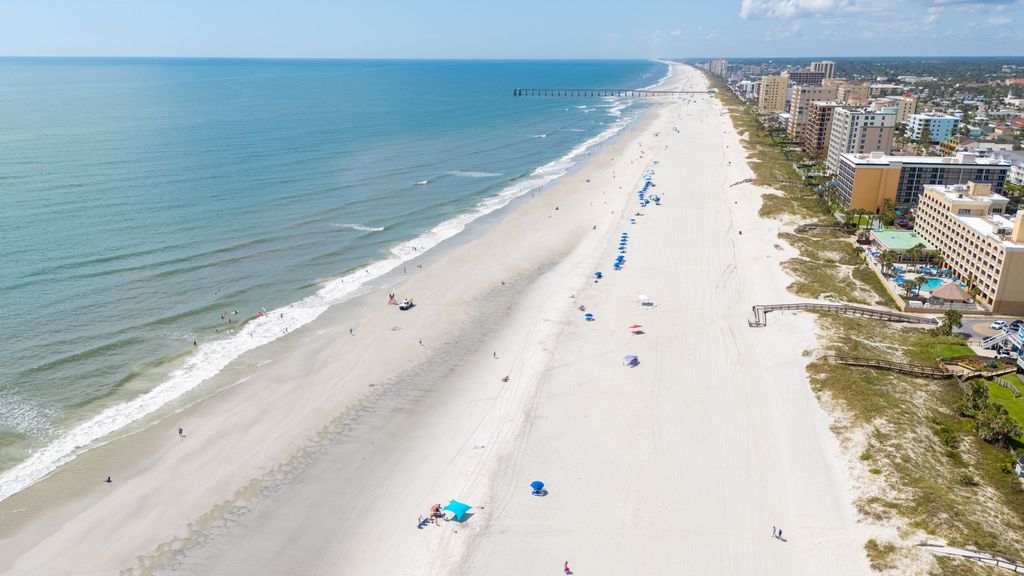
Wide, quiet stretch of sand at Neptune Beach
Local Life
November 3, 2026

Fall and Winter at the Jacksonville Beaches: A Local's Guide to the Quieter Season

Fall and winter are the quieter season in Jacksonville Beach, Neptune Beach, and Atlantic Beach, and many locals will tell you it is their favorite time of year here. The summer crowds thin out, the pace slows down, and the beach towns feel more like neighborhoods again. You still get the sand, the water, and the outdoor life that draw people to this coast. You just get them with more room to breathe. If you are visiting, or if you have recently moved here, this is a great season to learn how the Beaches actually live.

The weather is a big part of the appeal. Fall and winter days at the Beaches are often milder than summer, with cooler mornings and pleasant afternoons that make it easy to be outside for hours. You will still get the occasional cold snap and windy day, so layers matter, but the intense summer heat and humidity ease off. That change opens up the day. A long walk that would leave you drained in August can feel easy in November. A bike ride, a round of outdoor errands on foot, or an afternoon on a patio all become simpler to enjoy. Keep an eye on the forecast, dress in layers, and plan outdoor time for the warmest part of the day when it suits you.

The beaches themselves feel different in the quieter months. There is more open sand, more space between groups, and a calmer feel along the shoreline in all three towns. Jacksonville Beach still has its pier area and its livelier energy, just at a lower volume. Neptune Beach feels especially peaceful, with its mostly residential streets and easy beach access. Atlantic Beach has its tree lined neighborhoods and relaxed pace close to its town center. Morning walks are a local habit worth copying. Bring coffee, walk the water line, and watch how many neighbors, dog walkers, runners, and surfers start their day the same way. It is one of the best introductions to daily life here.

Walking and biking are at their best in this season. Walk the beach itself at low tide when the sand is firm, or walk the neighborhood streets and notice the mix of older beach cottages, renovated homes, and newer builds that give each town its character. Bike rides work well along quieter residential streets and on routes locals use to get to coffee, to the beach, and between the town centers. Ride carefully, share the road, use lights if you ride near dusk, and park bikes where they do not block beach access paths or sidewalks. Exploring on foot or by bike is also how you learn the details that photos miss, such as which streets are shaded, which feel busy, and which beach access point you would use most if you lived nearby.

Fishing and surfing remain part of life here in fall and winter, in general terms. You will see anglers on the beach and near the pier, and surfers checking the water on most days, because both activities are year round habits for locals with the right gear and experience. Conditions change with weather, tides, and seasons, so check current local information, follow posted rules and safety guidance, and respect your own skill level before you go. If you are new to either activity, watching locals, visiting a local tackle or surf shop, and asking questions is a good way to learn the basics and the local etiquette. Wetsuits and warmer layers are common in cooler months, so ask what gear makes sense rather than guessing.

The restaurant and coffee scene does not close down when summer ends. If anything, the quieter season is when locals reclaim their favorite tables. The beach towns have a year round mix of seafood spots, casual cafes, bakeries, coffee shops, and neighborhood restaurants, with plenty of patios that stay pleasant on mild afternoons. Beaches Town Center, where Neptune Beach and Atlantic Beach meet, is a natural starting point, with dining and coffee within a short walk of the beach. Jacksonville Beach has its own clusters of restaurants and coffee stops near the ocean and along its main streets. Try a new local place each week, go at off peak times when you can, and ask staff and neighbors what they order. That is how a visitor starts to eat like a local.

Cooler months are also ideal for day trips, when driving and walking are more comfortable. Ponte Vedra Beach, just south of the three beach towns, makes an easy outing for a quieter stretch of coast, a walk, and a meal, and it gives you a feel for a different beach community nearby. The Jacksonville riverfront and the city's parks work well in this season too. A walk along the St. Johns River, time in a riverside park, and a visit to a nearby neighborhood for coffee or lunch can fill a day without a set agenda. St. Augustine, to the south, is the classic cooler weather day trip. Its historic streets are made for walking, with old buildings, waterfront views, shops, and restaurants in a compact area you can explore at a relaxed pace. These are permanent destinations that reward an unhurried visit. Plan your own timing, check current information before you go, and leave room to wander rather than trying to see everything at once.

A few practical tips will make fall and winter visits easier. Parking near the beach is generally easier than in peak summer, but popular access points and town centers can still fill up on mild weekends, so arrive early when you can, use marked public parking areas, and read posted signs carefully, because rules vary by town and by lot. Beach access points are spread along the coast in all three towns, usually at the ends of streets that reach the ocean. Use the marked public access paths, stay off dunes and private property, and take your trash with you. For dressing, think in layers. Mornings near the water can feel cool and breezy, while afternoons in the sun can feel warm enough for short sleeves. A light jacket or fleece, comfortable walking shoes, sunglasses, and sunscreen still matter, because the Florida sun is strong even when the air feels mild. Bring water on longer walks and bike rides, just as you would in summer.

This quieter season is also a very good time to explore neighborhoods at a relaxed pace if you are thinking about buying or relocating. With fewer visitors around, you get a clearer picture of everyday life: how streets feel on a weekday, where locals get coffee, how parking works near the homes you like, and how long the walk to the beach really takes. Tour homes without the rush of peak season, drive your possible commute, and spend time in more than one town before you decide. Jacksonville Beach, Neptune Beach, and Atlantic Beach are close together, but they live differently, and fall and winter give you the time and space to notice those differences. Whether you are here for a weekend or here to stay, slow down, walk the towns, and let the quieter season show you why so many people choose to live at the Beaches year round.

Call or text Drew Kazemba at 904-728-2262.
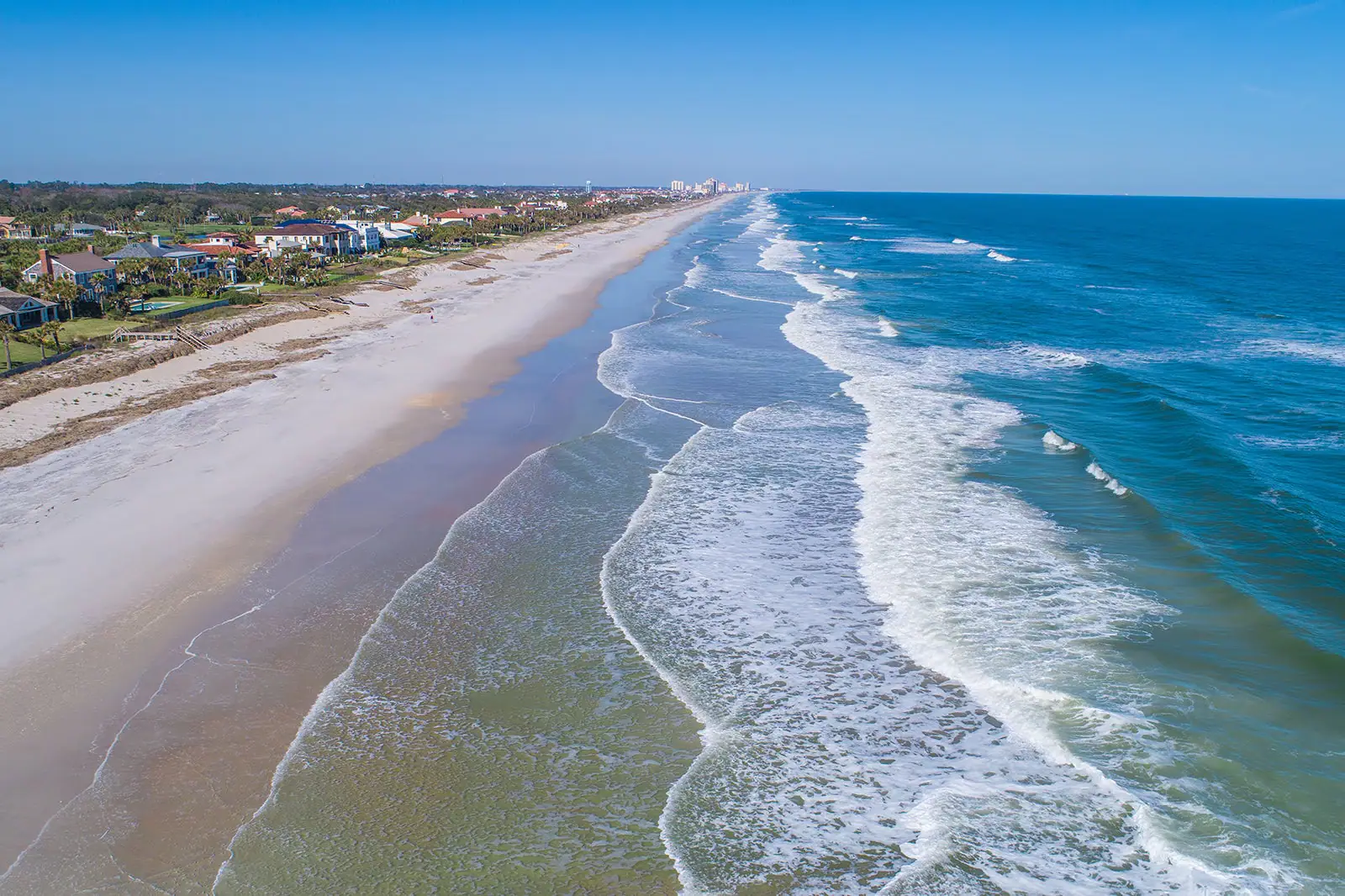
Have a question the blog hasn't answered?

Ask me directly — I'd rather you ask than guess.

904-728-2262
Text Drew [email protected]
FAQ

Beaches Real Estate Questions, Answered

The questions buyers and sellers ask me most about Jacksonville Beach, Neptune Beach, Atlantic Beach, and Ponte Vedra Beach.

For Buyers

Which beach town is right for me?

It depends on the life you want. Jacksonville Beach is the biggest and liveliest, with the most homes to choose from. Neptune Beach is the smallest and quietest. Atlantic Beach is historic with big trees and an old-Florida feel. Ponte Vedra Beach is the luxury option — golf, gated communities, and St. Johns County schools. Each town has its own page on this site, and a 15-minute call usually settles it.

Do I need flood insurance at the Beaches?

On many properties, yes — lenders require it when a home sits in a higher-risk flood zone, and even when it's optional, it's worth pricing. Flood zone and elevation are the first things I check on any home you're serious about, and we get real insurance quotes before you offer so your monthly cost is never a guess.

What is an elevation certificate, and why do I want one?

It's a document that records how high a home sits relative to the flood plain. Insurers use it to price flood insurance — a good elevation can lower your premium meaningfully. If the seller has one, we request it early; if not, ordering one is usually money well spent.

Can I buy a home at the Beaches as a short-term rental?

Sometimes. The deciding factor is usually the specific property: city rules and, for condos, the association's rental policy. If rental income is part of your plan, we verify the rules for that exact property before you make an offer.

I'm moving from out of state. How does buying from a distance work?

Very well, with the right process: video tours and honest assessments from me, one well-planned tour trip for finalists, and everything else handled digitally through closing. Start with the free Relocation Guide on this site — it was written for exactly your situation.

Should I get an inspection on a brand-new home?

Yes. New construction isn't automatically flawless. I recommend independent inspections at pre-drywall and again before closing, plus a month-11 warranty walkthrough before the builder's one-year warranty expires.

How much do I need for a down payment and closing costs?

It varies by loan program and price — some buyers put down as little as 3–5%, others much more, and VA buyers may need nothing down. The right move is a quick conversation with a good local lender; I'm happy to introduce you to lenders my clients have used well, including VA jumbo specialists.

For Sellers

How do you price a beach home?

From real comparable sales, adjusted honestly: flood zone, elevation, condition, lot, distance to the water, and rental potential all move value at the Beaches in ways city-wide averages miss. I'll show you the comps and the reasoning in writing — and where I think we can push, and where pushing would cost you time.

What should I fix before listing?

Usually less than you think — and different things than you'd guess. Safety and inspection red flags first, obvious deferred maintenance second, cosmetics only where they photograph. I'll walk your home with a buyer's eye (and a builder's) and rank the list by return.

When is the best time to sell at the Beaches?

Beach markets have a strong spring and early-summer season, but well-priced homes sell year-round here because relocation and second-home buyers shop in every month. Your timeline and preparation matter more than chasing a perfect week — let's talk about your specific situation.

Will you consider an off-market or quiet sale?

Yes. In small towns like Neptune and Atlantic Beach especially, some of the best matches happen quietly. I work with a network of local buyers and investors; if discretion matters to you, we can test interest before your home ever hits the public market.

What does it cost to work with you?

Compensation is negotiable and spelled out in writing before we start — no surprises. Drew is a Realtor® with Someday Homes Realty, with 6 years of experience across buying, selling, new construction, and investment properties at the Beaches.

Still have a question?

Ask me directly — I'd rather you ask than guess.

904-728-2262
Text Drew [email protected]
Contact

Talk to Drew

Call, text, or email — you'll reach me, not an assistant or a call center.

Call or text

904-728-2262

Texting is fastest during the day. If I miss your call, I'll call you back the same day.

Email

[email protected]

Drew Kazemba, Realtor®
Someday Homes Realty
Jacksonville Beach, Florida

Book a Game Plan Call

A free 15-minute call about buying, selling, building, or relocating at the Beaches — your goals, your timeline, and a straight plan. Pick a time below and I'll call you at the number you provide.

If the booking calendar doesn't load, use the button above — or just call or text 904-728-2262.
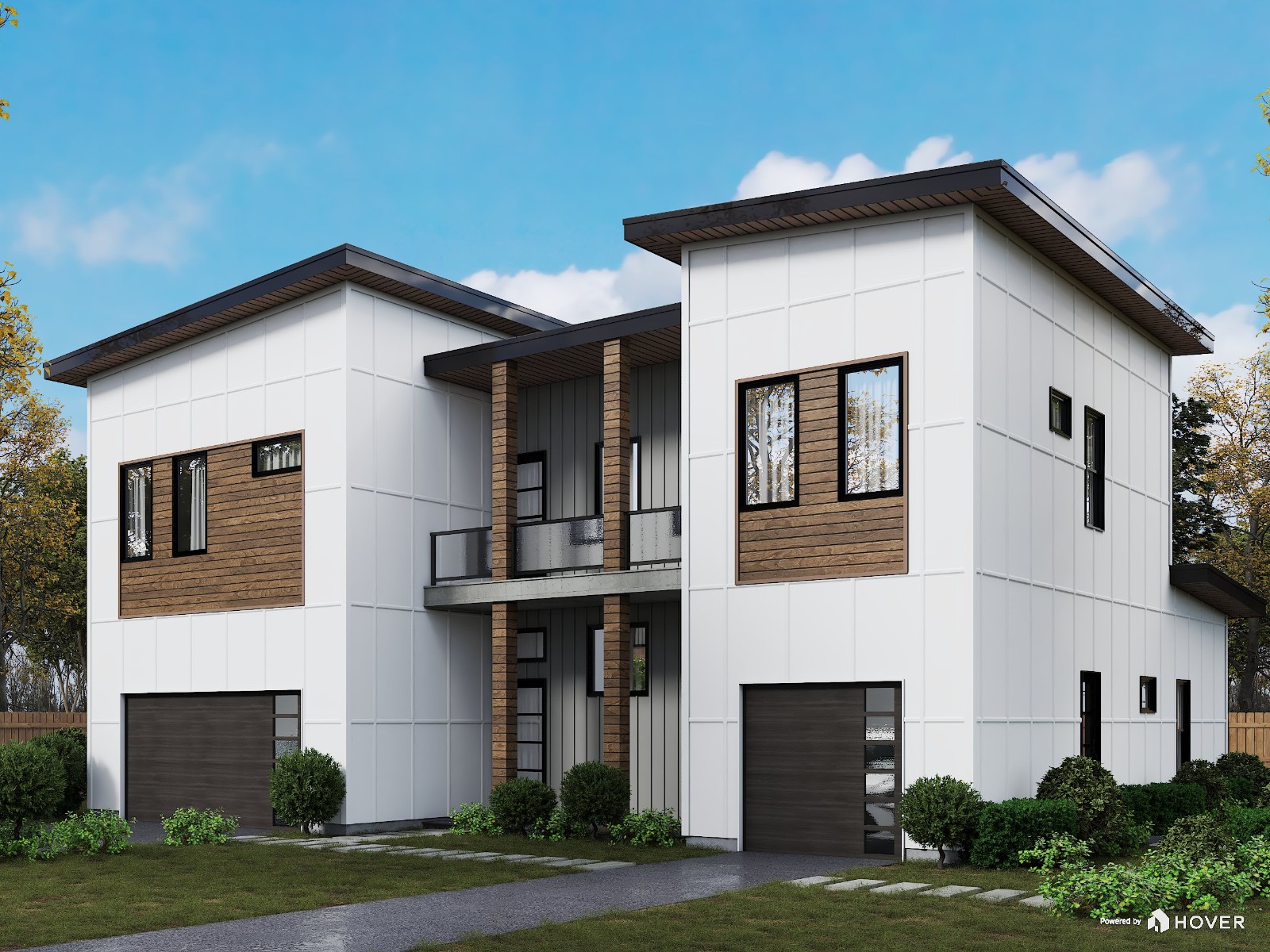
Areas I serve

Jacksonville Beach

Primary market — homes, condos, new construction, and investment properties.

Learn more →

Neptune Beach

Primary market — including off-market and coming-soon opportunities.

Learn more →

Atlantic Beach

Primary market — historic homes, Town Center, and Hannah Park neighborhoods.

Learn more →

Ponte Vedra Beach

Luxury, golf communities, and St. Johns County — plus the greater Jacksonville area on request.

Learn more →

Ready when you are

Buying, selling, building, or just curious what your home is worth — start with one call.

904-728-2262
Text Drew [email protected]