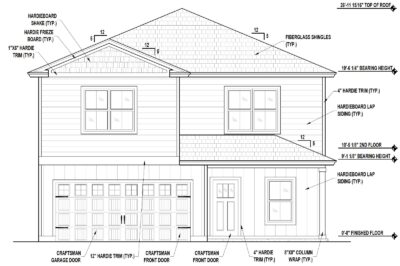
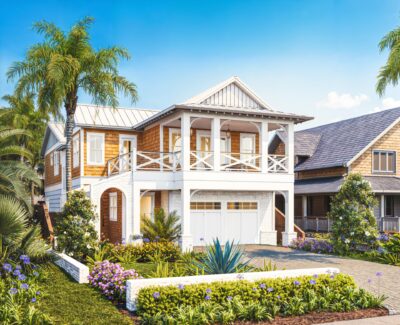
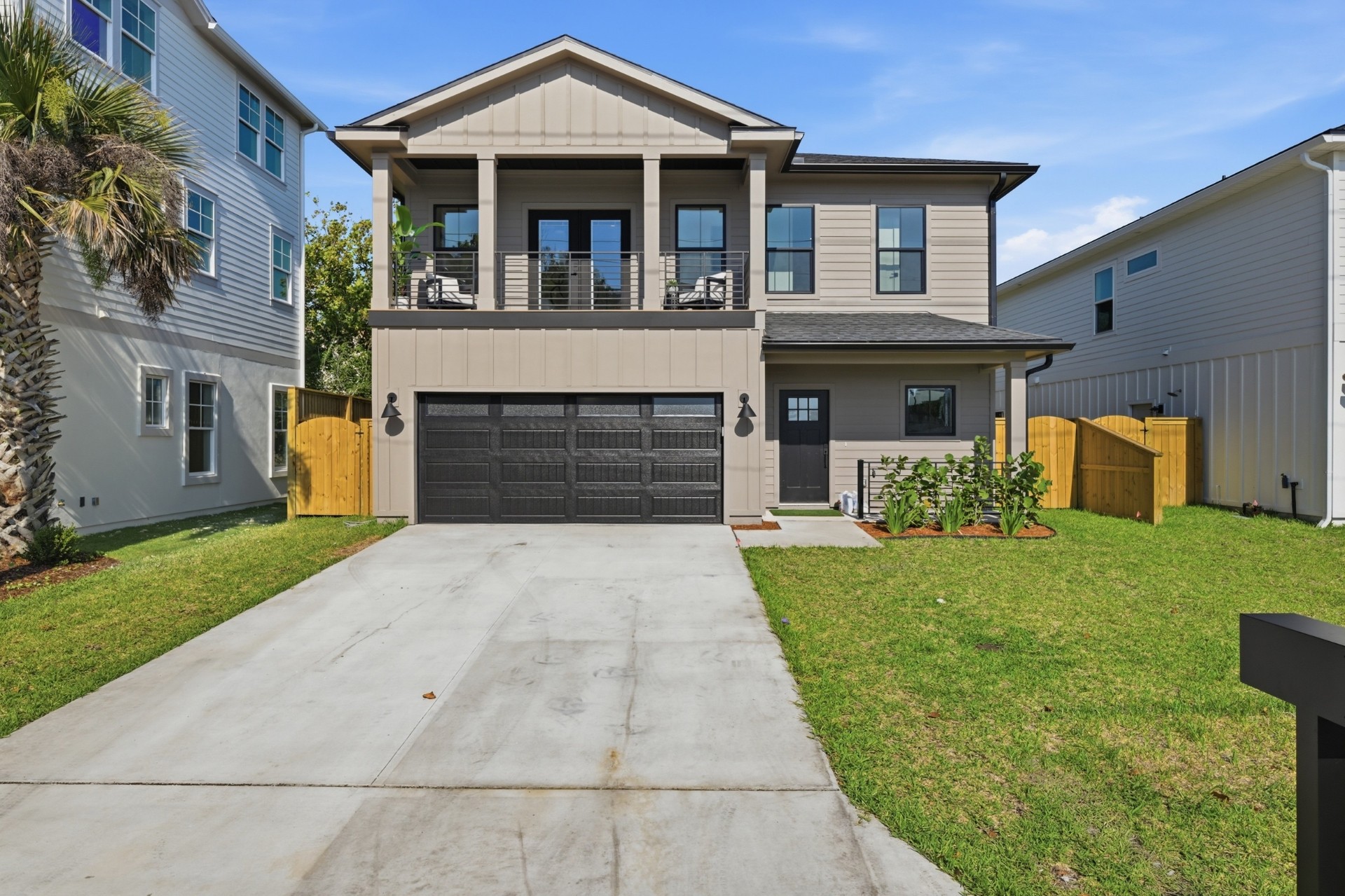
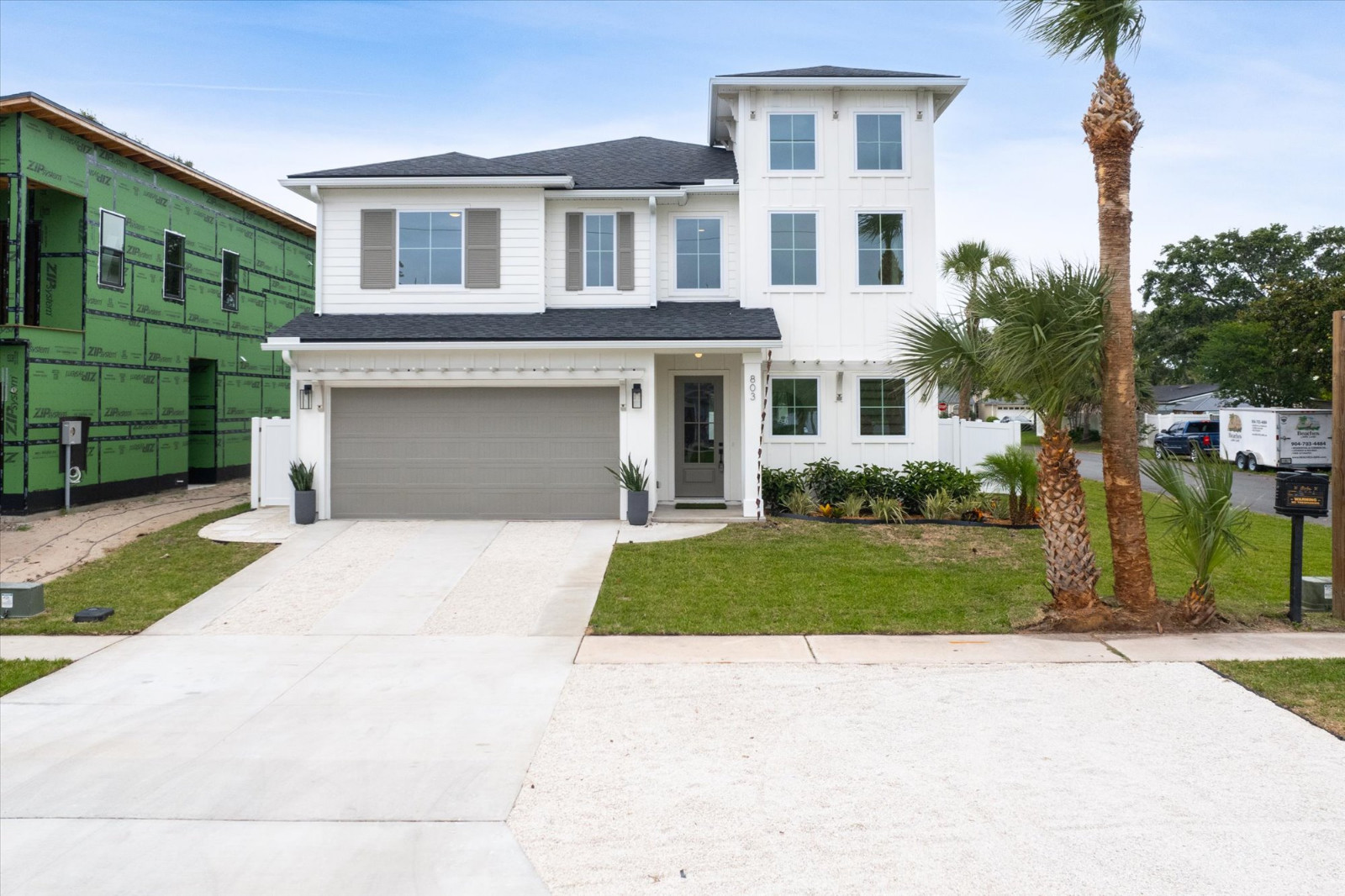
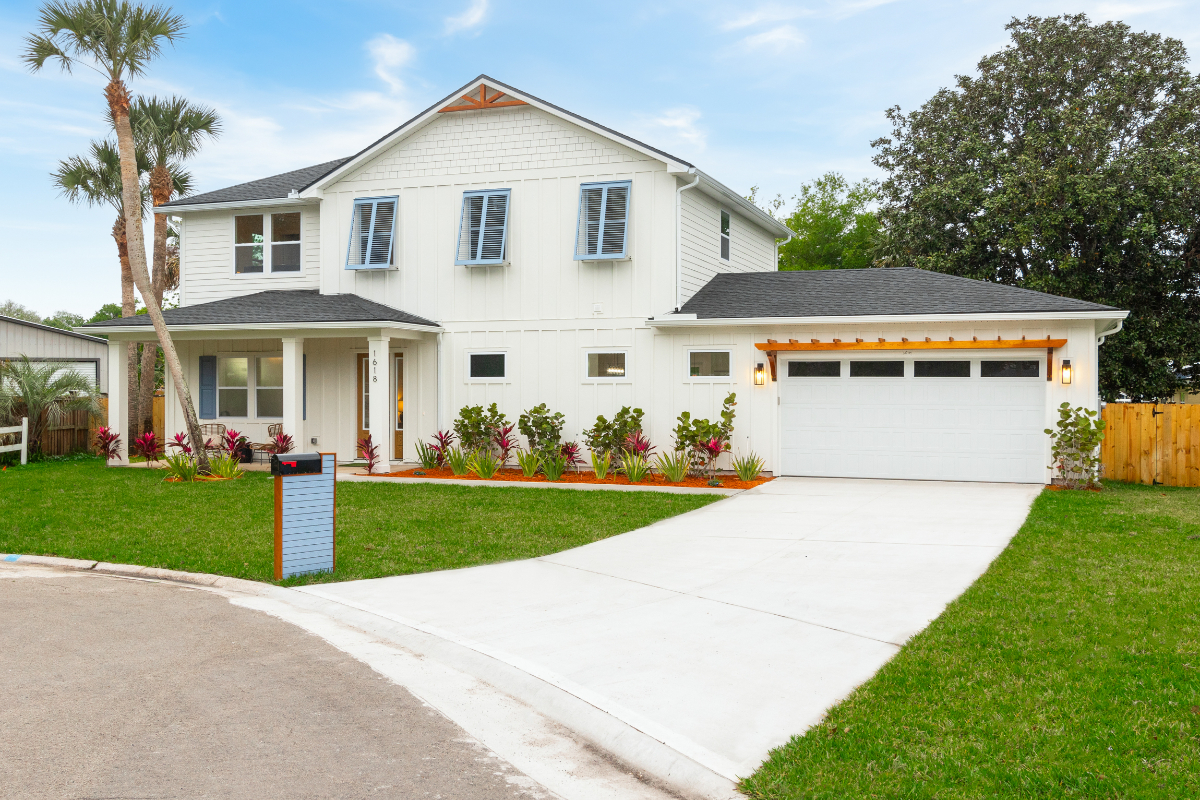
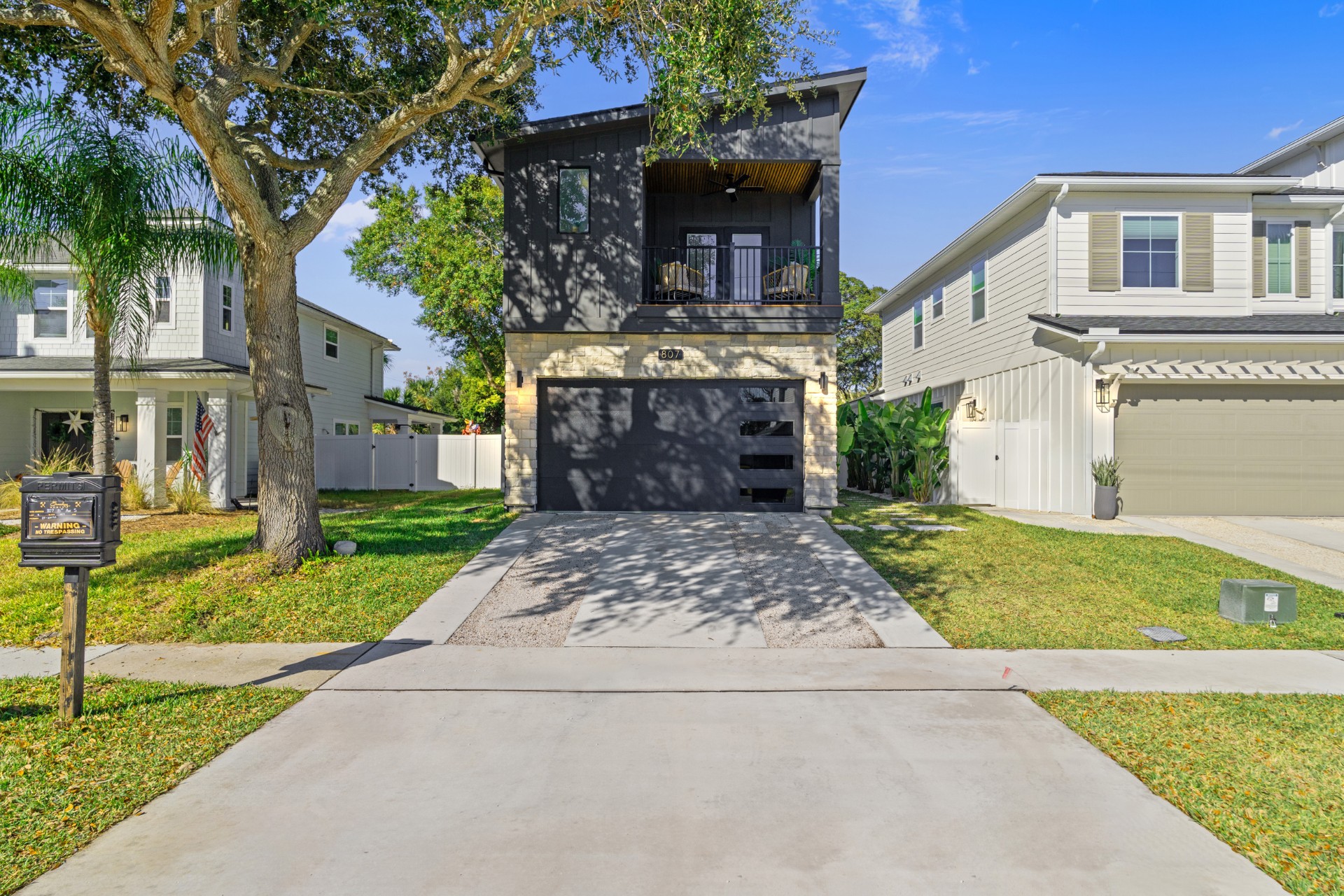
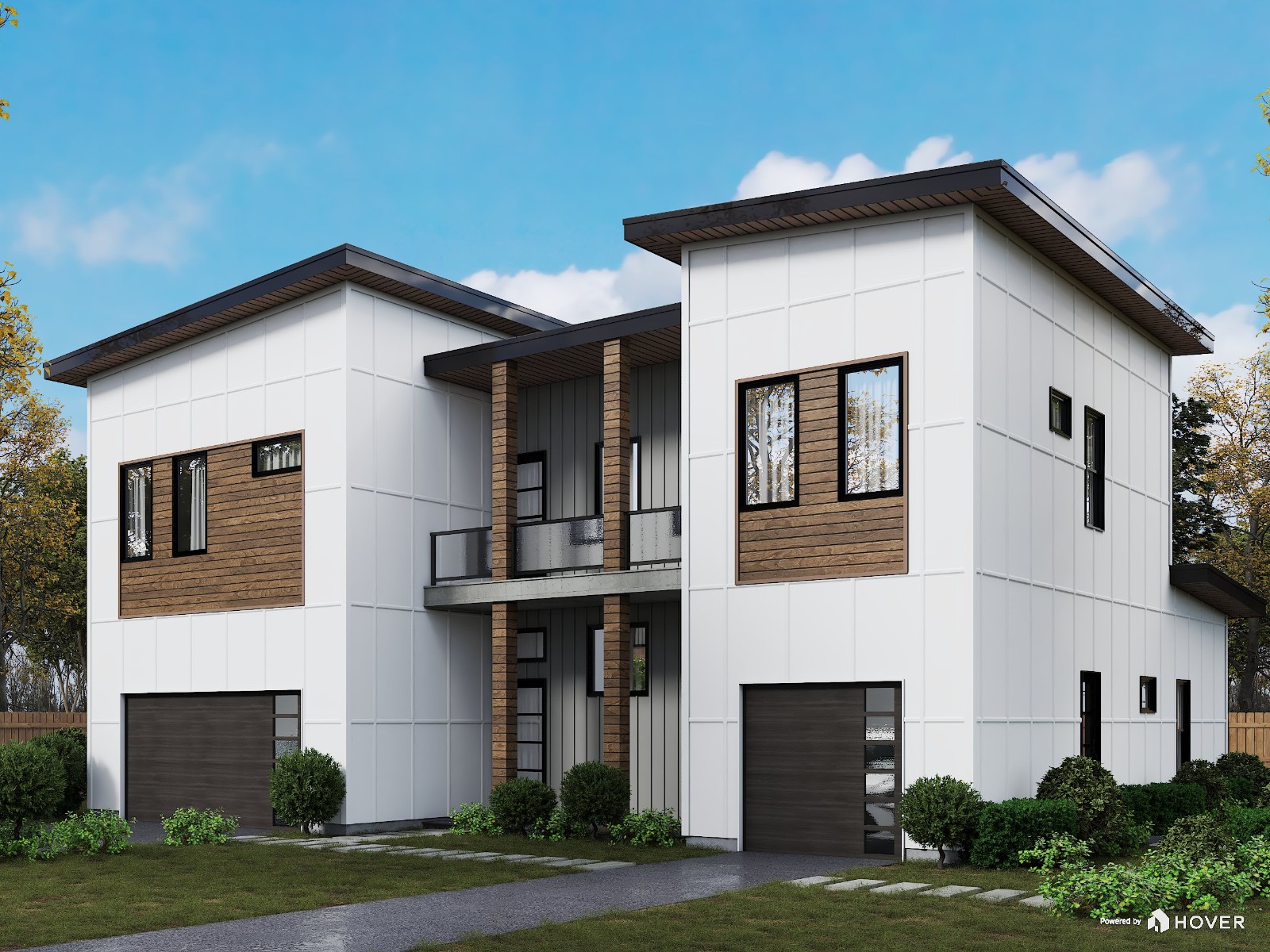
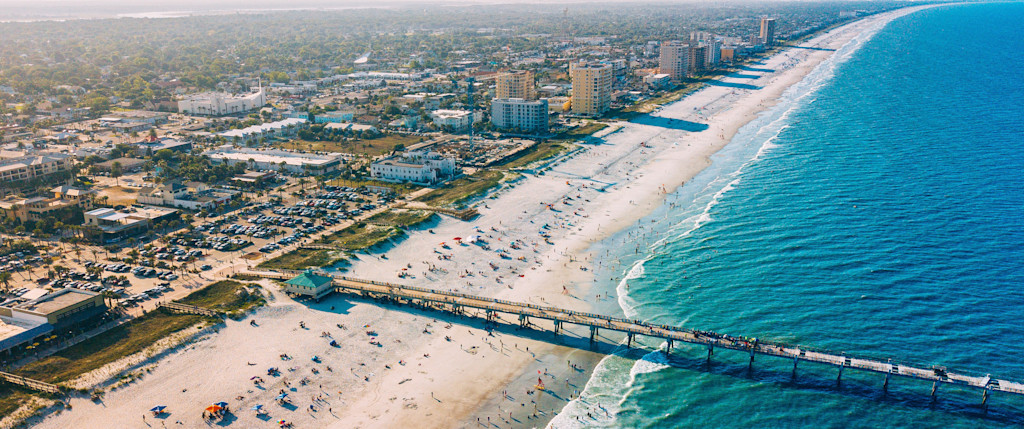
Buying your first home is a big step anywhere. Buying your first home in Jacksonville Beach, Neptune Beach, or Atlantic Beach adds a few local details that are worth understanding early. The good news is that the process is manageable when you take it in the right order. Get your financing sorted first, learn what to look for in a beach area home, and understand how an offer works before you fall for a house. This guide walks through those steps in plain terms.
Start with a pre-approval, and get it before you tour homes seriously. A pre-approval means a lender has reviewed your income, your debts, your credit, and your bank information, and has given you a written sense of what you can borrow, subject to the home and the final underwriting review. Sellers and listing agents take pre-approved buyers more seriously, and in a competitive situation a strong pre-approval can be the difference between your offer being considered and being set aside. Just as important, a pre-approval tells you what price range you should actually be shopping in, so you do not waste time touring homes that do not fit your budget or your monthly payment comfort level.
A pre-approval is not the same as a pre-qualification, and the difference matters. A pre-qualification is usually a quick, informal estimate based on information you provide, often without documents being checked. It can be a useful first conversation, but it carries much less weight. A pre-approval involves verification. The lender looks at pay information, tax documents, bank statements, and your credit, and then issues a letter based on that review. If an online calculator or a quick phone call gave you a number, treat that as a starting point, not a pre-approval. Ask your lender directly which one you have.
While you work on financing, save for more than just the down payment. Buyers also need money for closing costs, which can include lender fees, title and recording charges, prepaid taxes and insurance, and other settlement items. The exact amount depends on your loan, your price, and your closing date, so ask your lender for a written estimate early and ask questions about any line you do not understand. You will also want a cushion after closing for moving costs, basic furnishings, and the small repairs and setup costs that come with any new home. Buying with no money left over after closing is stressful. A modest reserve makes the first months in the home much easier.
Choose a local lender who knows beach properties if you can. A lender who regularly works in Jacksonville Beach, Neptune Beach, and Atlantic Beach understands issues that come up more often here, such as flood zone questions, insurance timing, and the extra review that some condos and townhomes require. That local experience does not guarantee a smooth closing, but it does reduce surprises. A lender who answers the phone, explains deadlines clearly, and works well with your agent and the title company is worth a lot during a transaction. Ask your agent which local lenders communicate well and close reliably, and interview more than one before you decide.
When you start touring homes, look past paint colors and staging. At the Beaches, a few practical items deserve close attention on every tour. Ask about the age of the roof and look for signs of wear, staining, or past patching. Roofs matter for safety, for insurability, and for your budget in the first years of ownership. Ask about the age and condition of the air conditioning system as well, because cooling is not optional in Florida and replacement is a real expense. Look at windows, doors, and exterior wood for signs of moisture or rot, especially on older beach homes that have seen years of salt air and humidity.
Ask about flood zone and insurance in general terms on any home you like, and do it early. Two homes in the same neighborhood can sit in different flood zones, and insurance costs can vary from one property to the next based on zone, elevation, roof age, and construction. Your lender may require flood insurance for some properties, and even when it is not required, you should understand what coverage would cost before you offer. Get a real insurance quote for the specific home during your due diligence, talk with an insurance professional about what the policy does and does not cover, and factor that monthly cost into your decision alongside the mortgage payment, taxes, and any association dues.
Pay attention to lot size, parking, and daily living details too. Beach area lots vary a lot. Some homes have a useful yard, a driveway, and room for guests to park. Others have very little outdoor space and limited parking, which matters on weekends and when family visits. Think about distance to the beach as a trade-off, not just a selling point. Living closer to the sand can mean an easier walk with a chair and a cooler. It can also mean more traffic, more noise on busy streets, and more visitors parking near your home during busy periods. Visit a home you like at different times of day if you can. A quiet street on a Tuesday morning can feel very different on a Saturday afternoon.
Do not rule out a condo or townhome as your first purchase. For many first-time buyers at the Beaches, a condo or townhome is the realistic way in. You often get a location close to the beach with less exterior maintenance than a single family home, because the association handles some of the outside work. In return, you pay homeowners association dues, usually monthly. Those dues typically help cover things like exterior maintenance, common area upkeep, landscaping, building insurance in many condo communities, and amenities such as a pool, but what is covered varies a lot from one community to the next. Always ask what the dues cover, what they do not cover, and whether any special assessment is planned or being discussed.
Read the HOA documents before you offer, or at the very latest as soon as your contract allows. The documents cover rules on rentals, pets, parking, guests, exterior changes, and how the association is run and funded. They also show the budget and reserves, which tell you whether the community is setting money aside for big future repairs. If a rule conflicts with how you plan to live, for example a pet limit or a rental restriction, it is far better to learn that before you are under contract. Ask your agent and, if needed, your lender to review condo or townhome details early, because some properties require extra lender review as well.
When you find a home you want, your agent will help you write an offer. In plain terms, an offer sets out the price you are willing to pay, the earnest money deposit you will put down to show you are serious, your inspection period, any financing contingency, your proposed closing date, and other terms. The earnest money deposit is usually held by a title company or another agreed party and is applied at closing if the sale goes through, subject to the terms of your contract. The inspection period is your window to have the home inspected and to decide, under the contract terms, whether to move forward, ask for repairs or a credit, or walk away if the contract gives you that right. A financing contingency protects you if your loan is not approved despite good faith efforts, again subject to the exact contract language. Read every deadline carefully and do not sign anything you do not understand. Ask your agent to walk through each section with you.
The appraisal is another step to understand. If you are using a loan, your lender will order an appraisal to estimate the value of the home. If the appraisal comes in at or above the contract price, that part of the process is usually straightforward. If it comes in below the contract price, you and the seller may need to renegotiate, you may need to cover some of the difference in cash if you choose to and are able, or the deal may end under the terms of the contract. Talk about this possibility with your agent and lender before you offer, so you have a plan instead of a panic if it happens.
One strong piece of advice for first-time buyers: do not waive your inspection just to compete. It can be tempting when a home gets a lot of interest, but the inspection is how you learn about roof problems, moisture issues, old wiring, plumbing concerns, and other items that are hard to see on a tour. At the Beaches, where salt air and humidity are hard on homes, skipping that step can leave you with expensive surprises right after you move in. There are safer ways to make an offer attractive, such as being flexible on closing timing or keeping your paperwork clean and complete. Your agent can help you compete without giving up basic protection.
Here is a simple next-steps checklist. One, talk with a local lender and get a real pre-approval in writing. Two, set a savings target that covers your down payment, estimated closing costs, and a cushion for after closing. Three, make a short list of must-haves and nice-to-haves for Jacksonville Beach, Neptune Beach, and Atlantic Beach, including your feelings about distance to the beach, parking, and lot size. Four, tour homes with a checklist that includes roof age, systems, flood zone questions, and street feel at different times of day. Five, if you are considering a condo or townhome, read the HOA documents and confirm the dues and rules before you offer. Six, when you are ready to offer, review price, earnest money, inspection period, financing terms, and appraisal with your agent, and keep your inspection. Buying your first home at the Beaches takes patience and good information, but it is very doable when you take it step by step.
Call or text Drew Kazemba at 904-728-2262.